
Initialization method of UAV target tracking frame based on computer vision
A technology of computer vision and initialization method, which is applied in the field of computer vision, and can solve problems such as useless background information of the initial frame interfering with useful information, insufficiency, and affecting accuracy
- Summary
- Abstract
- Description
- Claims
- Application Information
AI Technical Summary
Problems solved by technology
Method used
Image

Examples
Embodiment Construction
[0043] The present invention aims to propose a method for initializing a UAV target tracking frame based on computer vision, which solves the problem that the traditional technology adopts the method of artificially selecting the initial tracking frame. The initial frame may contain too much useless background information and cause interference or contain insufficient useful information. The question of accuracy.
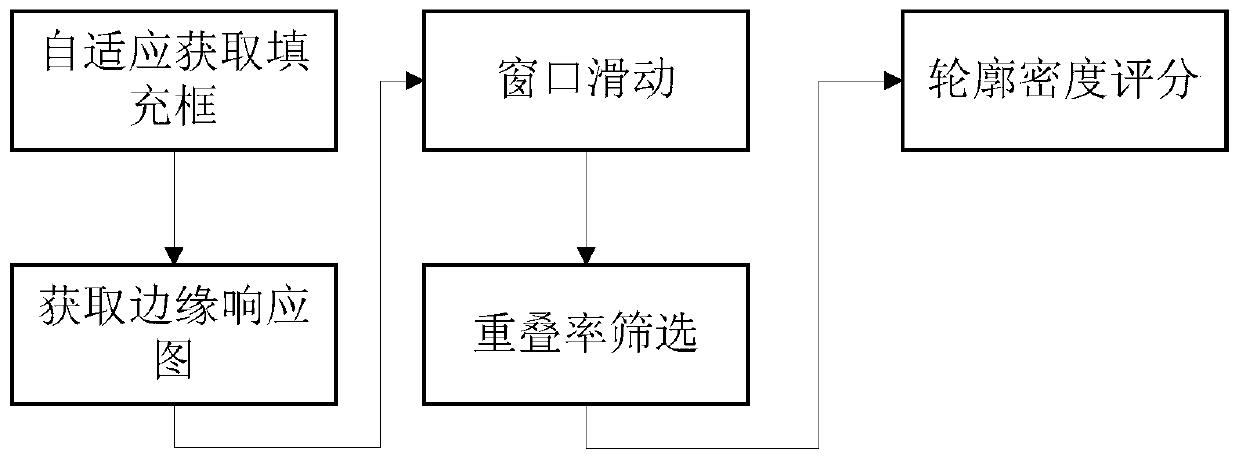
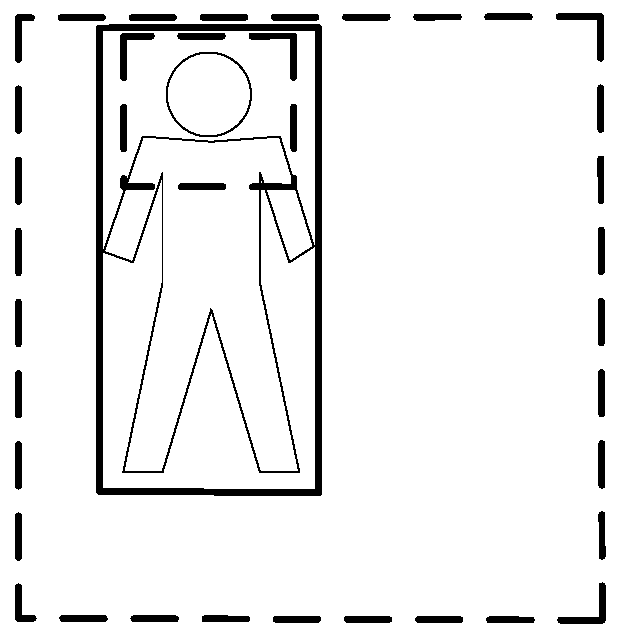
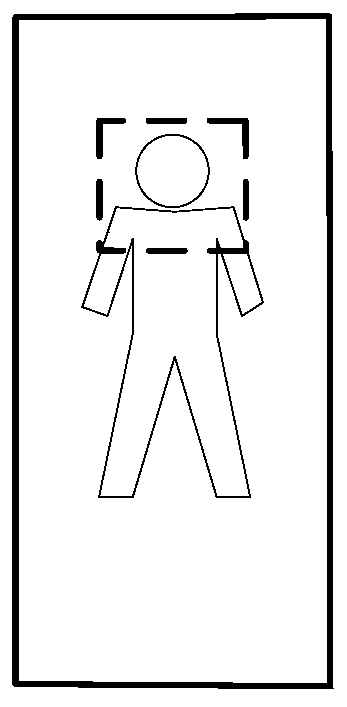
[0044] The core idea is: after the user manually selects the initial frame, the initial frame is adaptively enlarged to generate the filled frame, and the outline response graph of the filled frame is generated, and then the initial frame is slided in multiple sizes within the filled frame to produce different sizes Finally, after filtering these windows, the edge response graph of the digital image is used to analyze the contour density in different windows, and the score is sorted to select the best target tracking frame.
[0045] The solution of the present invention ...
PUM
 Login to View More
 Abstract
Description
Claims
Application Information
 Login to View More