
A low-temperature sintering method for ultra-high temperature ceramics
A technology of ultra-high-temperature ceramics and low-temperature sintering, which is applied in the field of dense ceramic preparation. It can solve the problems of low atomic self-diffusion coefficient, difficulty in preparing ultra-fine powder, and easy introduction of impurities such as oxygen, so as to reduce the sintering process and reduce the possibility , The effect of prolonging the burning time
- Summary
- Abstract
- Description
- Claims
- Application Information
AI Technical Summary
Problems solved by technology
Method used
Image

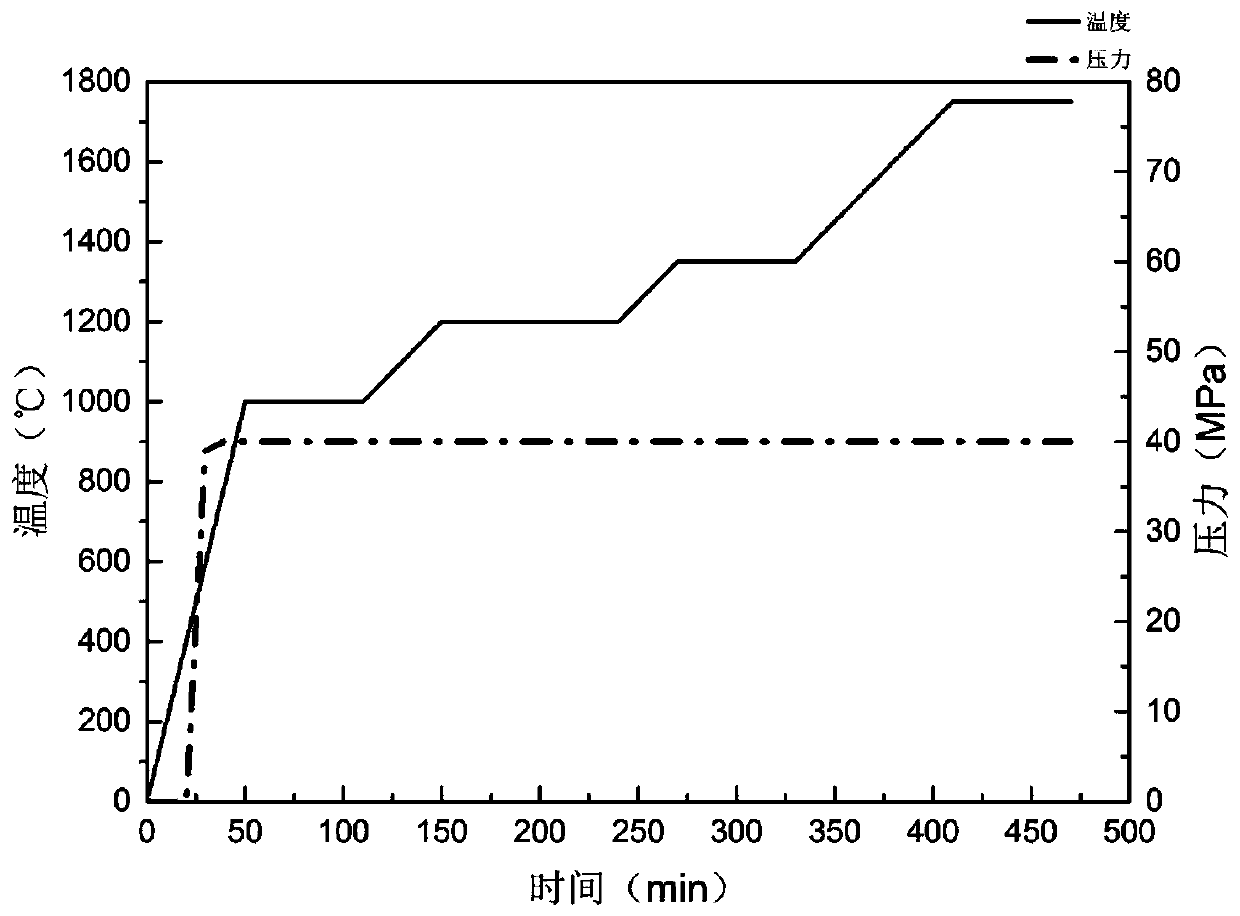
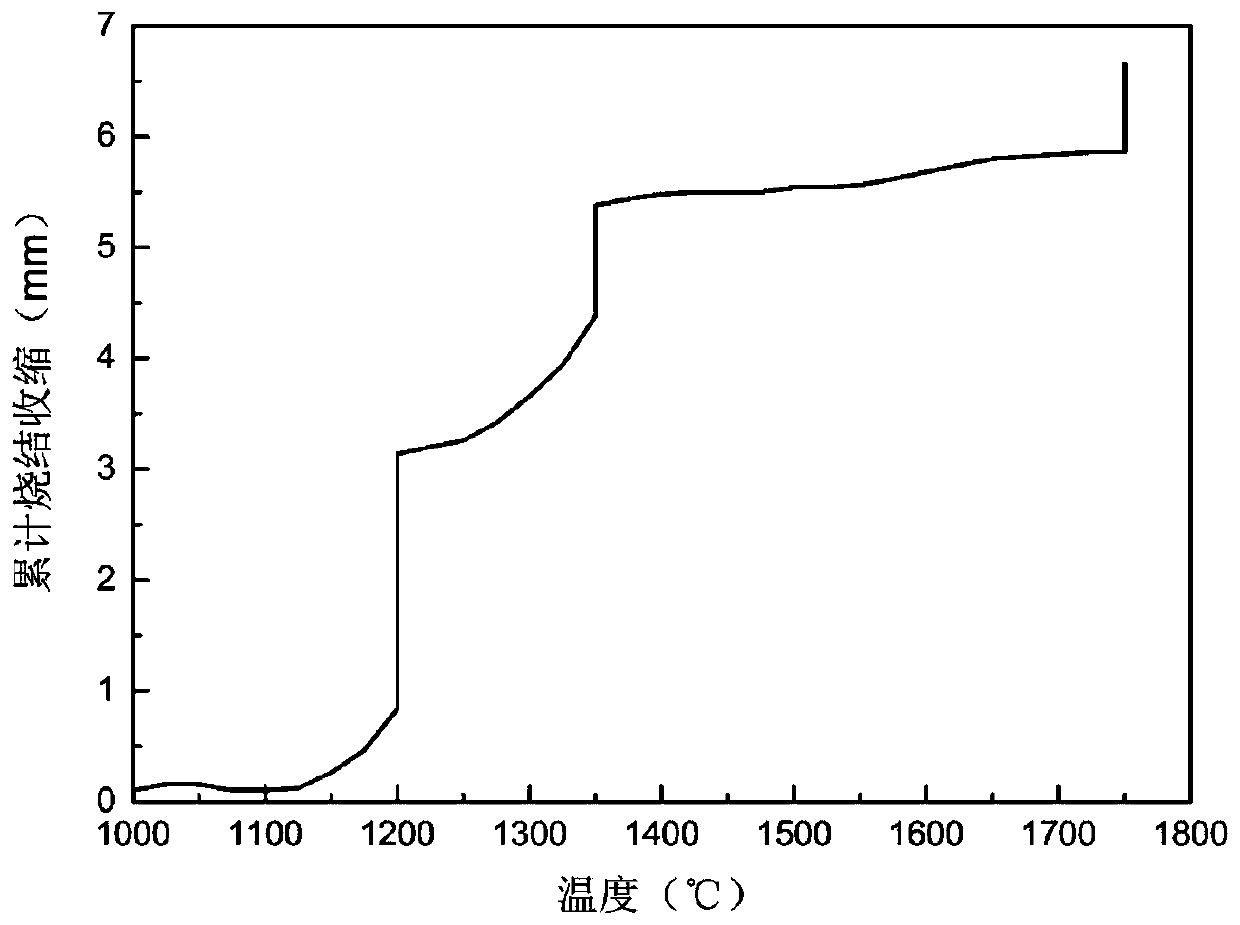
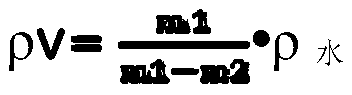
Examples
Embodiment 1
[0025] (1) Add 20ml polyborosilazane to 60ml n-hexane solvent, then mix with sieved ZrB 2 The ceramic powder is mixed at a mass ratio of 1:4 (that is, the mass ratio of polyborosilazane to ceramic powder is 1:4) to obtain a mixed slurry, and then the mixed slurry is put into a ball mill for 35 minutes, and the ball milling speed is 80r / min;
[0026] (2) After step (1) is completed, take out the mixed slurry and place it in a petri dish, and use n-hexane solvent to remove the remaining ZrO 2 Rinse off the mixed slurry on the grinding ball, let it stand at room temperature for 1 hour, then take out the mixed powder and put it into a hot-pressed graphite mold. The inner wall of the graphite mold is coated with BN, and the mixed powder and the inner wall of the graphite mold are covered with graphite paper. In order to prevent the mixed powder from reacting with the inner wall of the graphite mold at high temperature, use a cold press to cold press the mixed powder at 40MPa for 1...
Embodiment 2
[0030] (1) Add polyborosilazane to n-hexane solvent, then mix it with sieved SiC ceramic powder at a mass ratio of 1:4, then put the mixed slurry into a ball mill, mill for 30 minutes, and control the milling speed at 100r / min;
[0031] (2) After step (1) is completed, take out the mixed slurry and place it in a petri dish, and use n-hexane solvent to remove the remaining ZrO 2 Rinse off the mixed slurry on the grinding ball, put it at room temperature for 1 hour, then take out the slightly humid mixed powder and put it into a hot-pressed graphite mold. The inner wall of the graphite mold is coated with BN, and the powder and the mold are sealed with graphite paper The inner wall is isolated to prevent the powder from reacting with the inner wall of the mold at high temperature, and the mixed slurry is cold-pressed at 40MPa for 10 minutes with a cold press;
[0032](3) After step (2) is completed, the graphite mold is put into a hot-press sintering furnace, and the furnace te...
PUM
| Property | Measurement | Unit |
|---|---|---|
| particle size | aaaaa | aaaaa |
| density | aaaaa | aaaaa |
Abstract
Description
Claims
Application Information
 Login to View More