
Existing railway longitudinal plane line position integral intelligent reconstruction method
It is an existing railway and longitudinal technology, which is applied in the direction of instruments, CAD technology, electrical digital data processing, etc., and can solve the problems that the alignment cannot meet the specification design requirements, the accuracy cannot meet, and the alignment cannot meet the needs of work, etc.
- Summary
- Abstract
- Description
- Claims
- Application Information
AI Technical Summary
Problems solved by technology
Method used
Image

Examples
Embodiment Construction
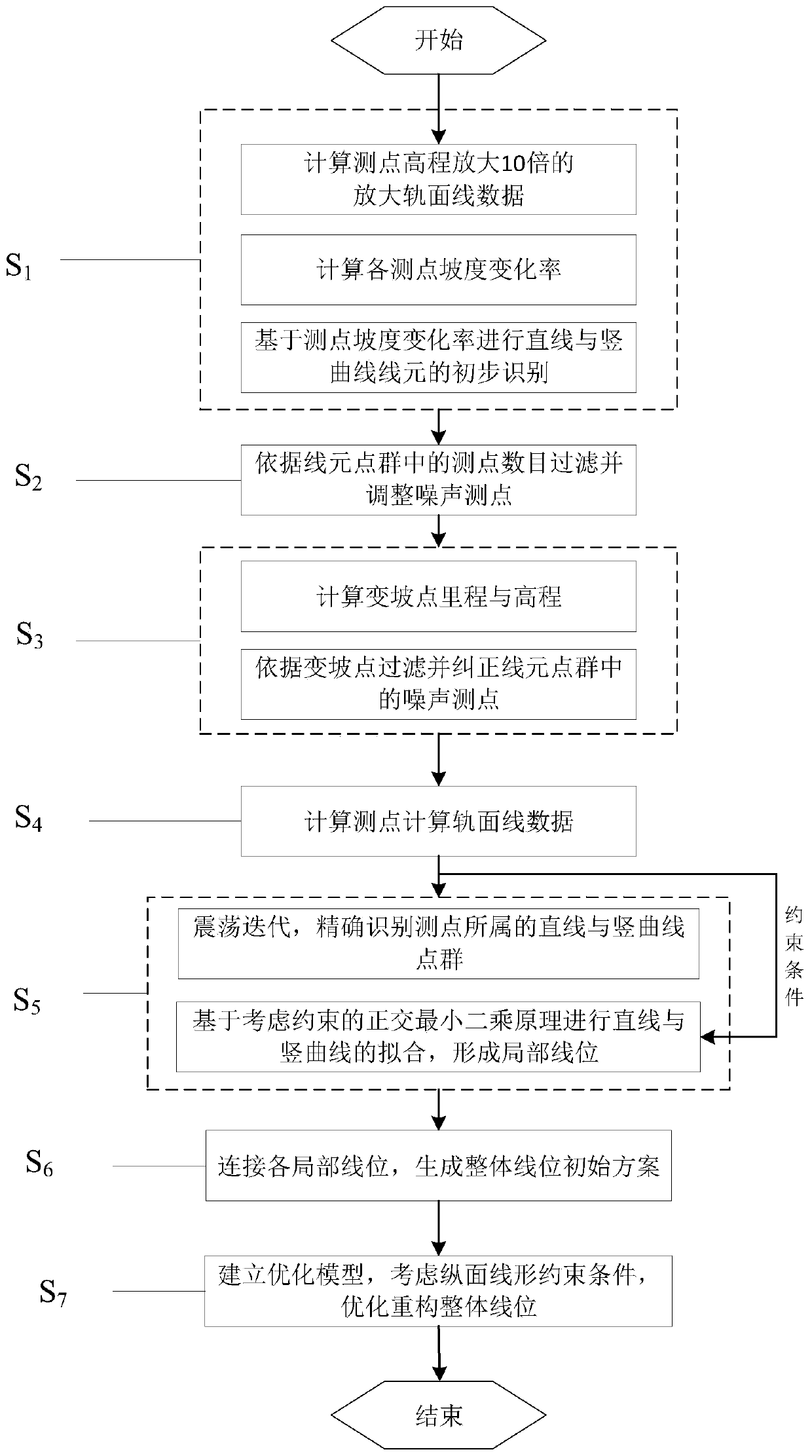
[0178] In this embodiment, the technical scheme of the present invention is further described by taking the reconstruction design of the longitudinal line position of the existing Shimen-Changsha railway as an example. Such as figure 1 As shown, the existing railway longitudinal line position reconfiguration design method involved in the present invention comprises the following steps:
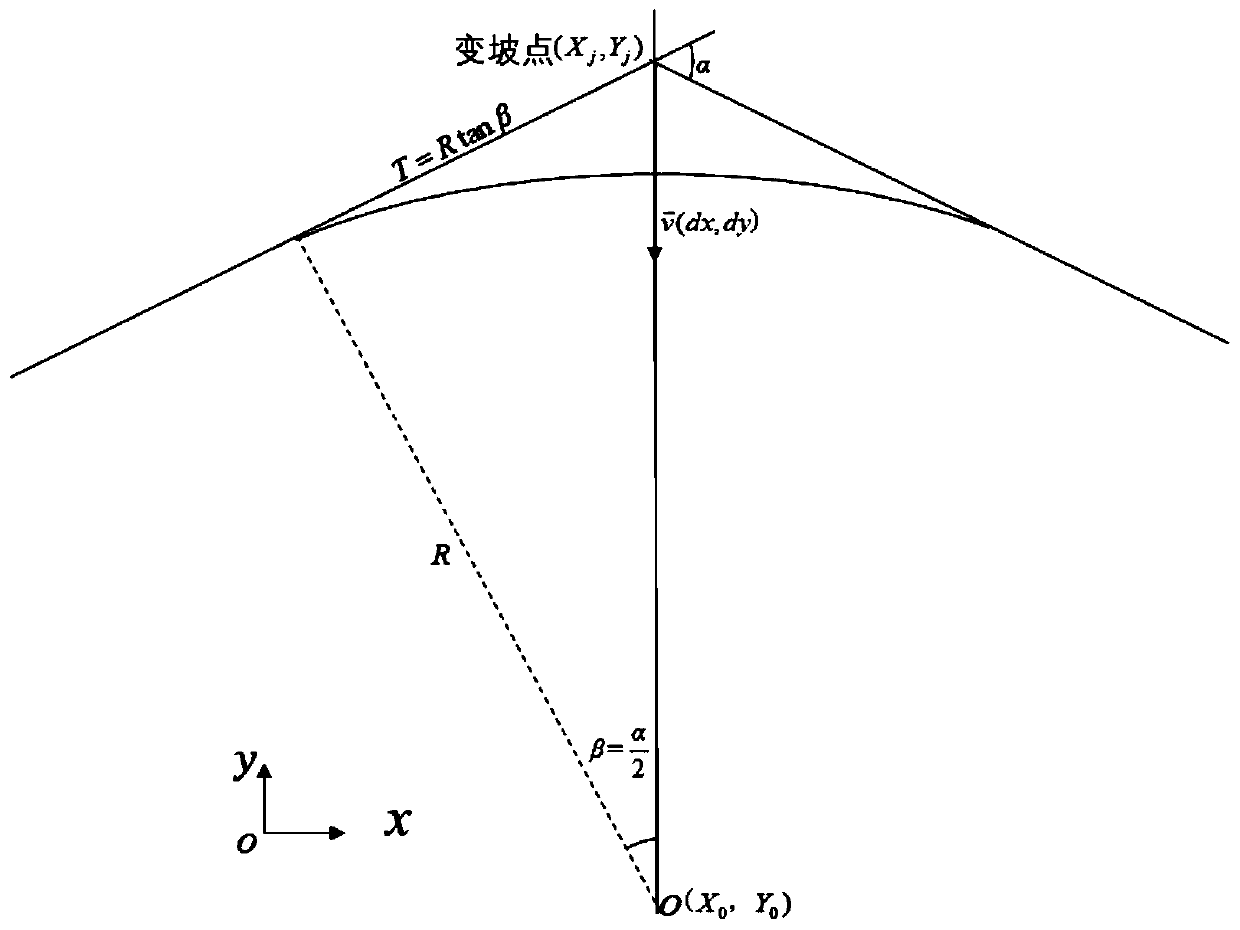
[0179] S 1 : Take the number N of slope change points, the position of each slope change point (including mileage X and elevation Y), and the radius R of each vertical curve as optimization variables, and take the square sum ∑d of the overall lift and fall of the whole line j 2 The minimum is the objective function, and various constraints are considered to establish an overall reconstruction optimization model of the vertical line position; the constraints include:
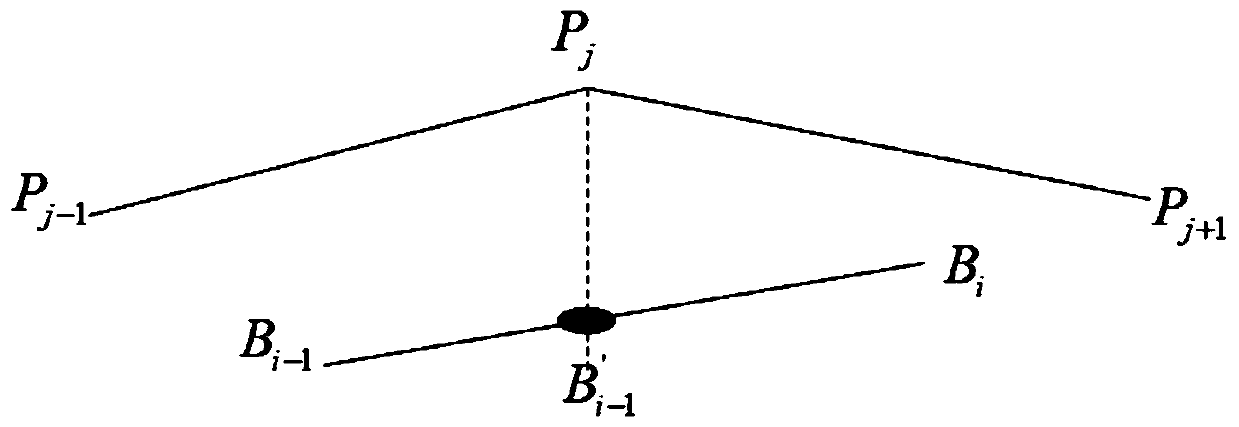
[0180] (1) The reconstructed longitudinal surface line should be higher than the calculated rail surface line and meet the m...
PUM
 Login to View More
 Abstract
Description
Claims
Application Information
 Login to View More