
Schizothorax waltoni fertilized egg incubating method
A technology of fertilized eggs and Schizothorax, which is applied in the field of hatching fertilized eggs of Lhasa Schizothorax, can solve the problems of slow hatching turnover of fertilized eggs, consuming manpower and financial resources, and few hatching batches, so as to save manpower and financial resources, reduce manpower input, The effect of saving hatching space
- Summary
- Abstract
- Description
- Claims
- Application Information
AI Technical Summary
Problems solved by technology
Method used
Image

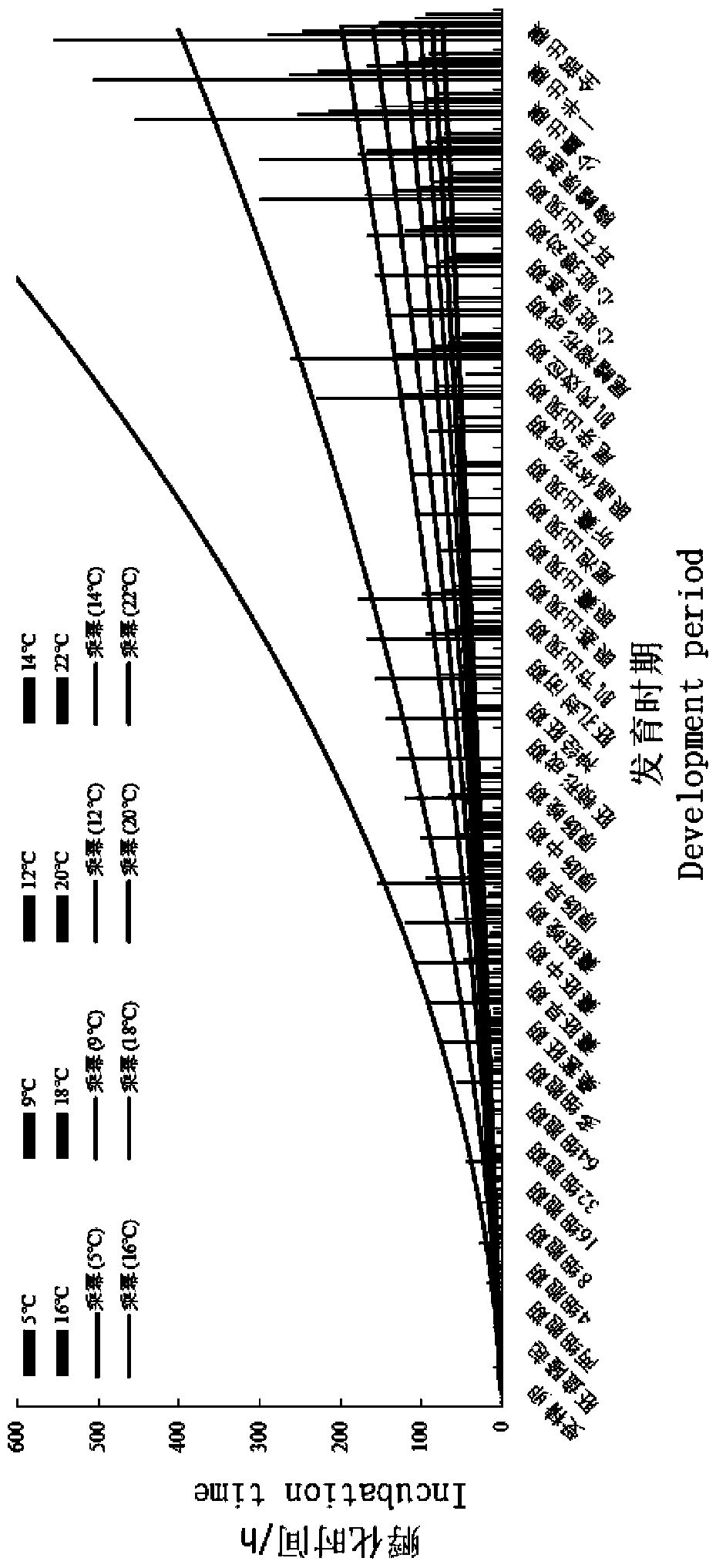
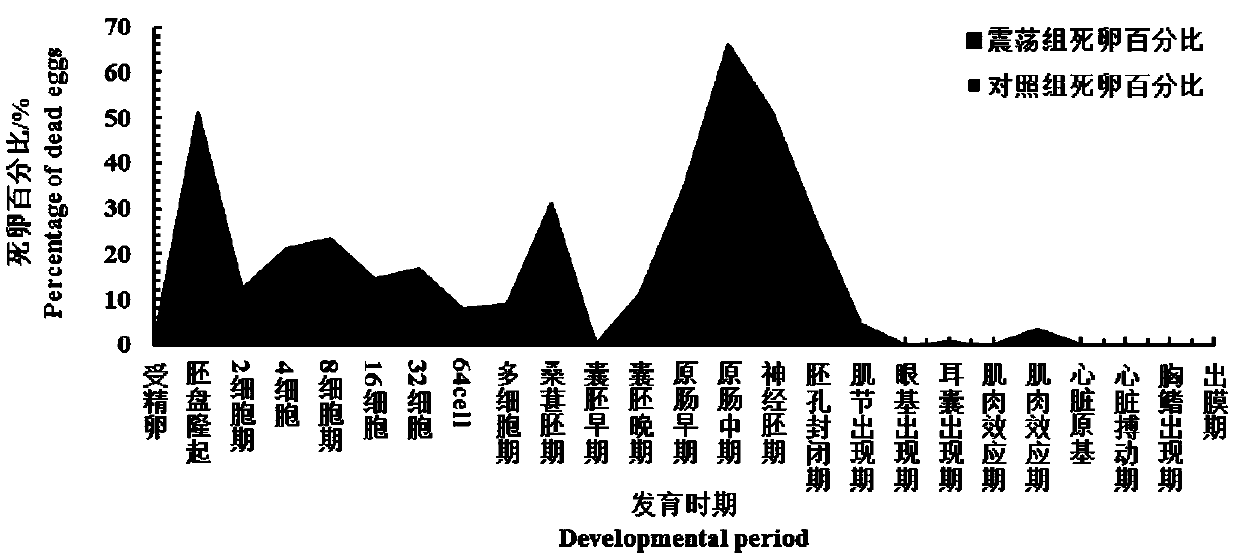
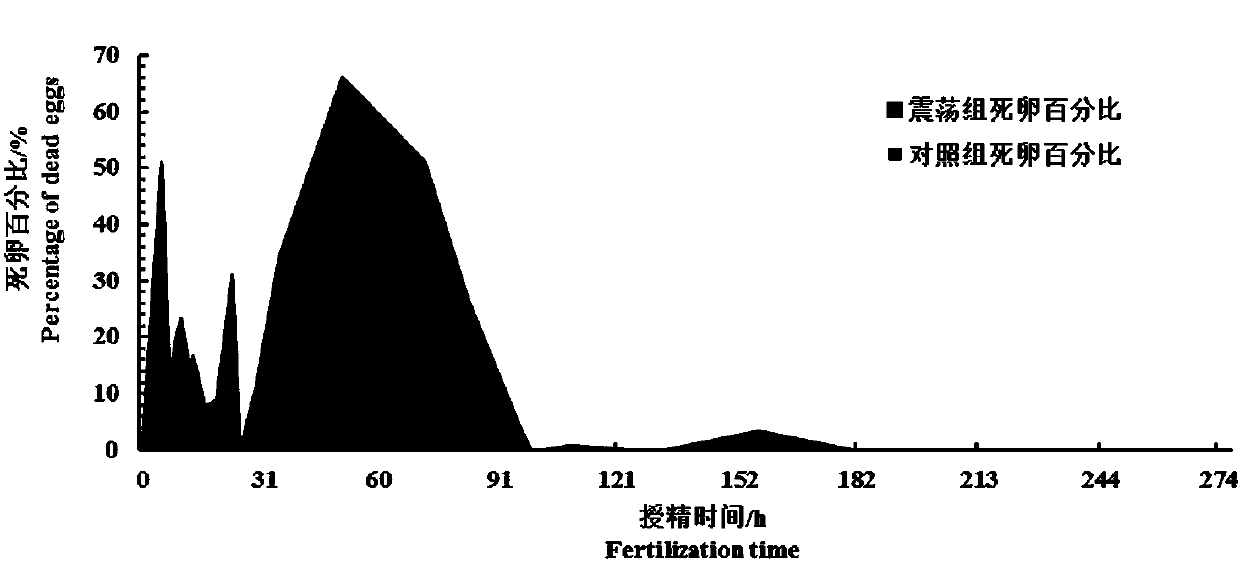
Examples
Embodiment 1
[0045] A method for hatching fertilized eggs of Schizothorax Lhasa, from the fertilized eggs to the sarcomere appearance stage, the fertilized eggs are placed in the hatching frame for hatching; after the fertilized eggs develop to the sarcomere appearance stage, the dead eggs are removed, and the fertilized eggs are moved into Hatch in a fish egg incubator.
Embodiment 2
[0047] A method for hatching fertilized eggs of Schizothorax Lhasa, from the fertilized eggs to the sarcomere appearance stage, the fertilized eggs are placed in the hatching frame for hatching; after the fertilized eggs develop to the sarcomere appearance stage, the dead eggs are removed, and the fertilized eggs are moved into Hatch in a fish egg incubator.
[0048] The sarcomere emergence period refers to the water temperature of 12° C., 95 hours after fertilized eggs are obtained.
Embodiment 3
[0050] A method for hatching fertilized eggs of Schizothorax Lhasa, from the fertilized eggs to the sarcomere appearance stage, the fertilized eggs are placed in the hatching frame for hatching; after the fertilized eggs develop to the sarcomere appearance stage, the dead eggs are removed, and the fertilized eggs are moved into Hatch in a fish egg incubator.
[0051] The sarcomere emergence period refers to the water temperature of 16° C., 56 hours after the fertilized egg is obtained.
[0052] During the whole hatching process, the hatching of the hatching frame accounts for 27% of the time, and the hatching of the fish egg incubator accounts for 73% of the time.
PUM
 Login to View More
 Abstract
Description
Claims
Application Information
 Login to View More