
A kind of artificial large-scale hatching method and system of tibetan bipalpis roe
A technology of double whiskers and fish eggs, which is applied in fish farming, climate change adaptation, application, etc., can solve the problems of difficult to control the water flow rate of the incubator, unstable water flow speed, and poor up and down rolling effect, saving manpower and financial resources, The effect of stable water flow speed and increased quantity
- Summary
- Abstract
- Description
- Claims
- Application Information
AI Technical Summary
Problems solved by technology
Method used
Image

Examples
Embodiment 1
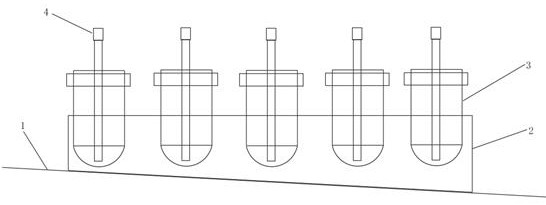
[0036] An artificial large-scale hatching method for fish eggs of the Tibetan mussels. From before the embryonic formation stage of the fertilized eggs of the double-skinned mussels, the fertilized eggs are placed in the hatching frame to incubate in running water; the fertilized eggs develop to the embryonic stage. After that, the dead eggs are removed, and the fertilized eggs are transferred to the incubator to hatch.
Embodiment 2
[0038] This embodiment is on the basis of Embodiment 1:
[0039] The embryonic formation period refers to the water temperature of 12° C. and 108 hours from the time when the fertilized egg is obtained.
[0040] In the whole incubation process, the hatching frame takes up 35% of the hatching time, and the incubator takes up 65% of the hatching time.
Embodiment 3
[0042] This embodiment is on the basis of Embodiment 1:
[0043] The incubator incubation includes the following steps:
[0044] A. The external water source enters the incubator to maintain continuous water supply;
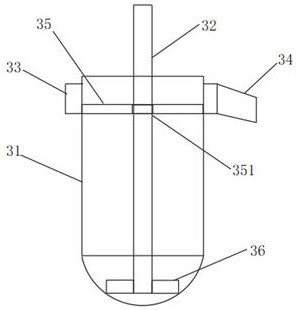
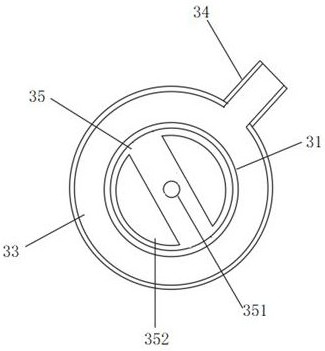
[0045]B. After entering the embryonic formation stage, the fish eggs of the double-skinned mussels are placed in the incubator to hatch, and the fertilized eggs are rolled up and down in the incubator;
[0046] C. The egg membrane and dead eggs after emergence float on the water surface, and are discharged from the overflow port on the upper part of the fish egg incubator along the water flow;
[0047] D. Take out the fish egg incubator, and pour the fry at the bottom of the incubator into the fry cultivation pool to complete the collection of fry.
PUM
 Login to View More
 Abstract
Description
Claims
Application Information
 Login to View More