
Method and apparatus for converting between different digital data representation formats
a technology of digital data and conversion methods, applied in the field of digital data generation and communication, can solve problems such as time-consuming conversion, error-prone, and incorrect receipt of address
- Summary
- Abstract
- Description
- Claims
- Application Information
AI Technical Summary
Problems solved by technology
Method used
Image

Examples
Embodiment Construction
Illustrative embodiments of the invention are described below. In the interest of clarity, not all features of an actual implementation are described in this specification. It will of course be appreciated that in the development of any such actual embodiment, numerous implementation-specific decisions must be made to achieve the developers' specific goals, such as compliance with system-related and business-related constraints, which will vary from one implementation to another. Moreover, it will be appreciated that such a development effort might be complex and time-consuming, but would nevertheless be a routine undertaking for those of ordinary skill in the art having the benefit of this disclosure.
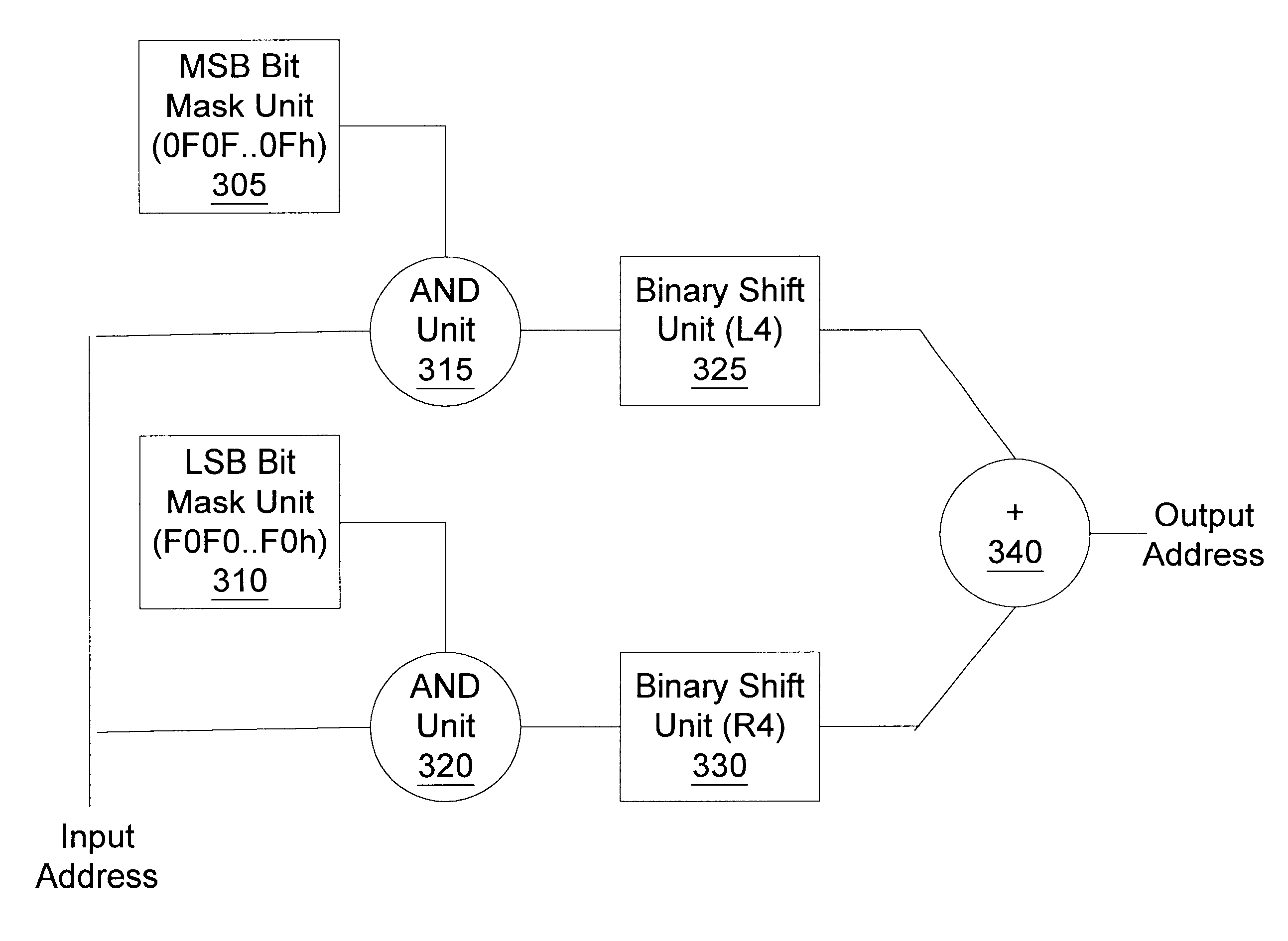
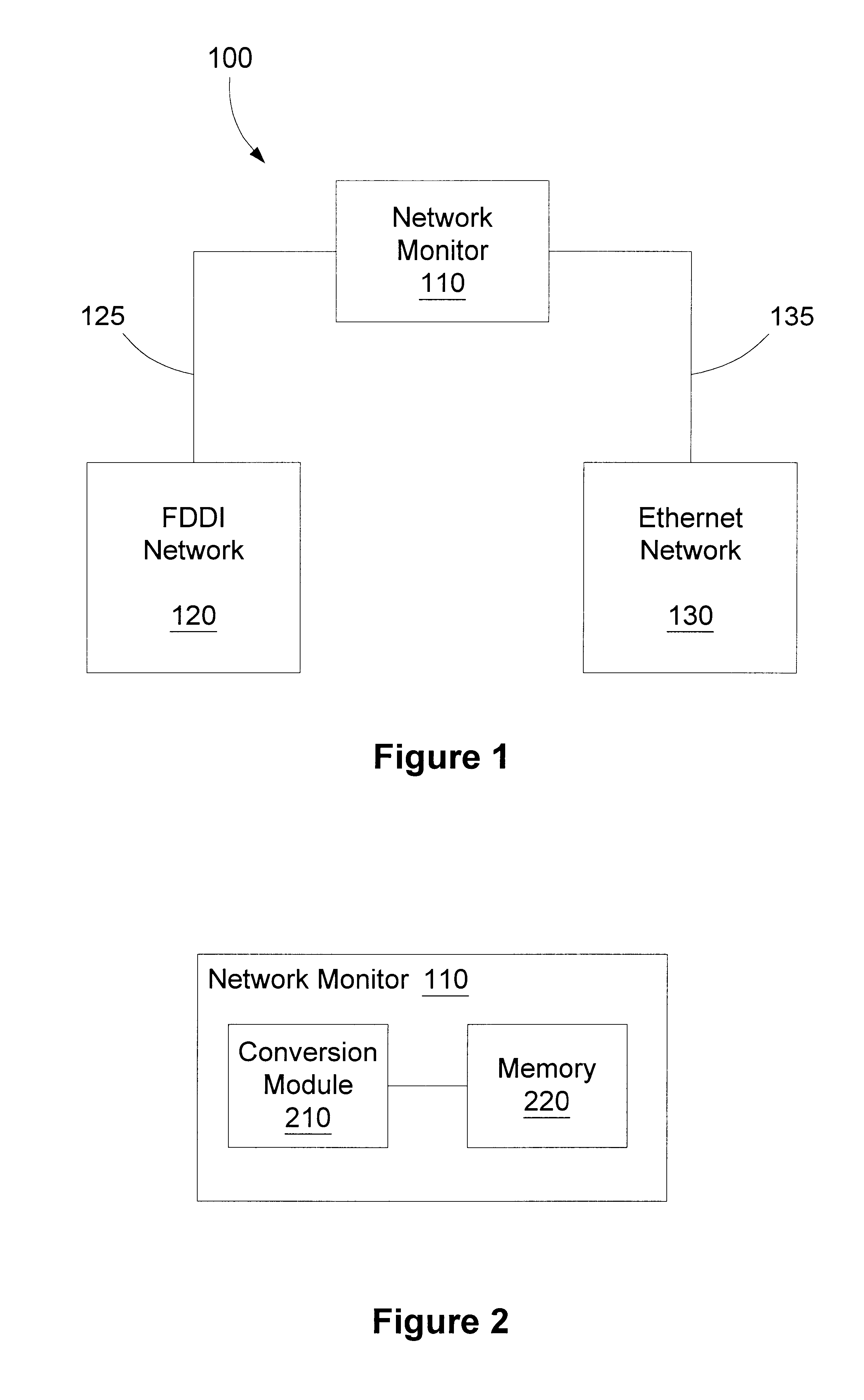
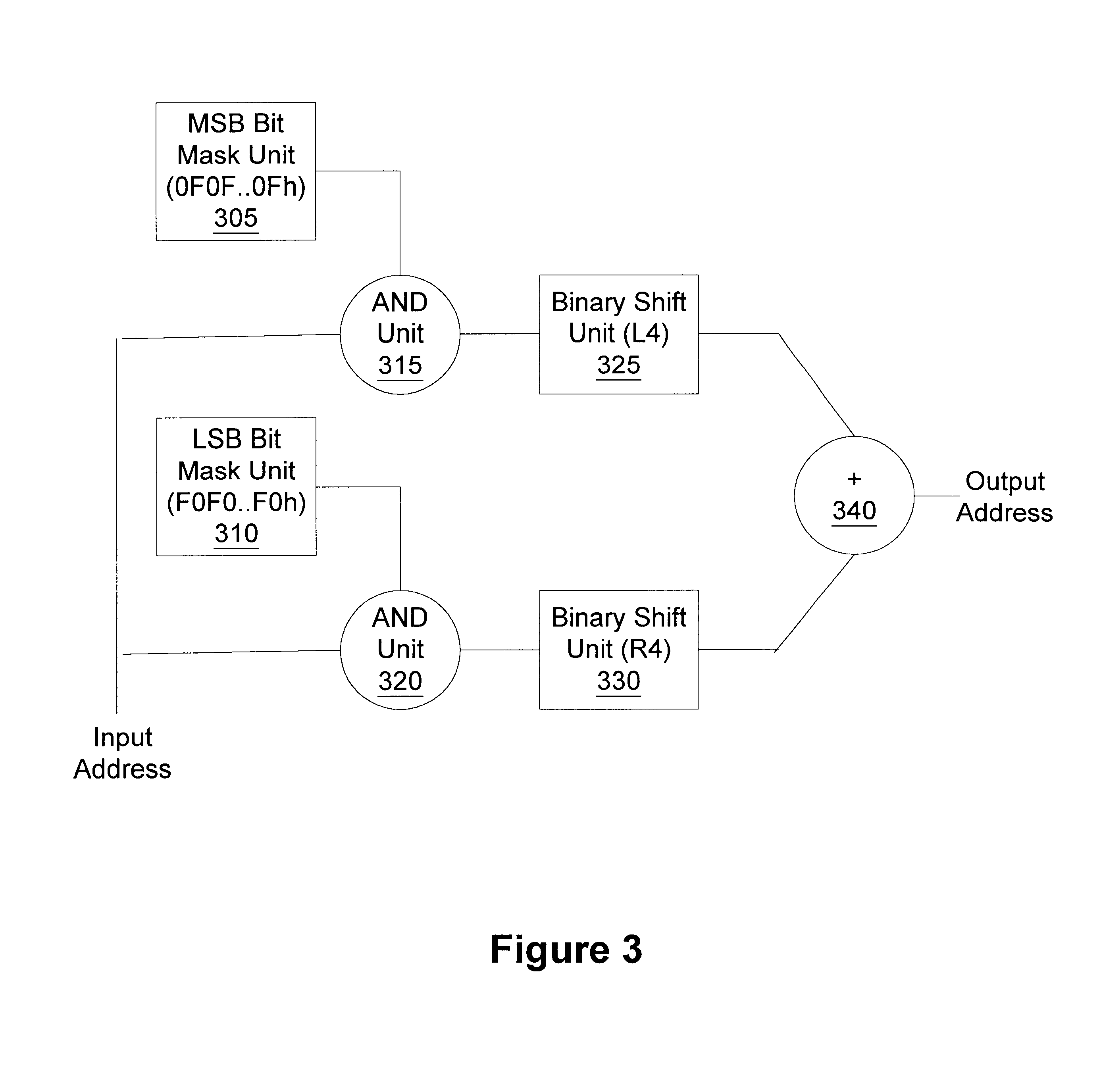
Turning now to the drawings, and specifically referring to FIG. 1, a simplified block diagram of a computer system 100 for converting between different digital data representation formats, such as network addresses, for example, is shown. The computer system 100 includes a network moni...
PUM
 Login to View More
 Abstract
Description
Claims
Application Information
 Login to View More