

Preparation method of glucoside of flavonoid compound
A technology of flavonoids and glucosides, applied in the field of drug synthesis, can solve the problems of inconvenient use, unfriendly environment, low efficiency and the like, and achieve the effects of simple operation, environmental friendliness and high efficiency
Patent Information
- Authority / Receiving Office
- CN · China
- Patent Type
- Applications(China)
- Current Assignee / Owner
- Publication Date
- 2018-08-03
- Estimated Expiration
- Not applicable · inactive patent
Smart Images
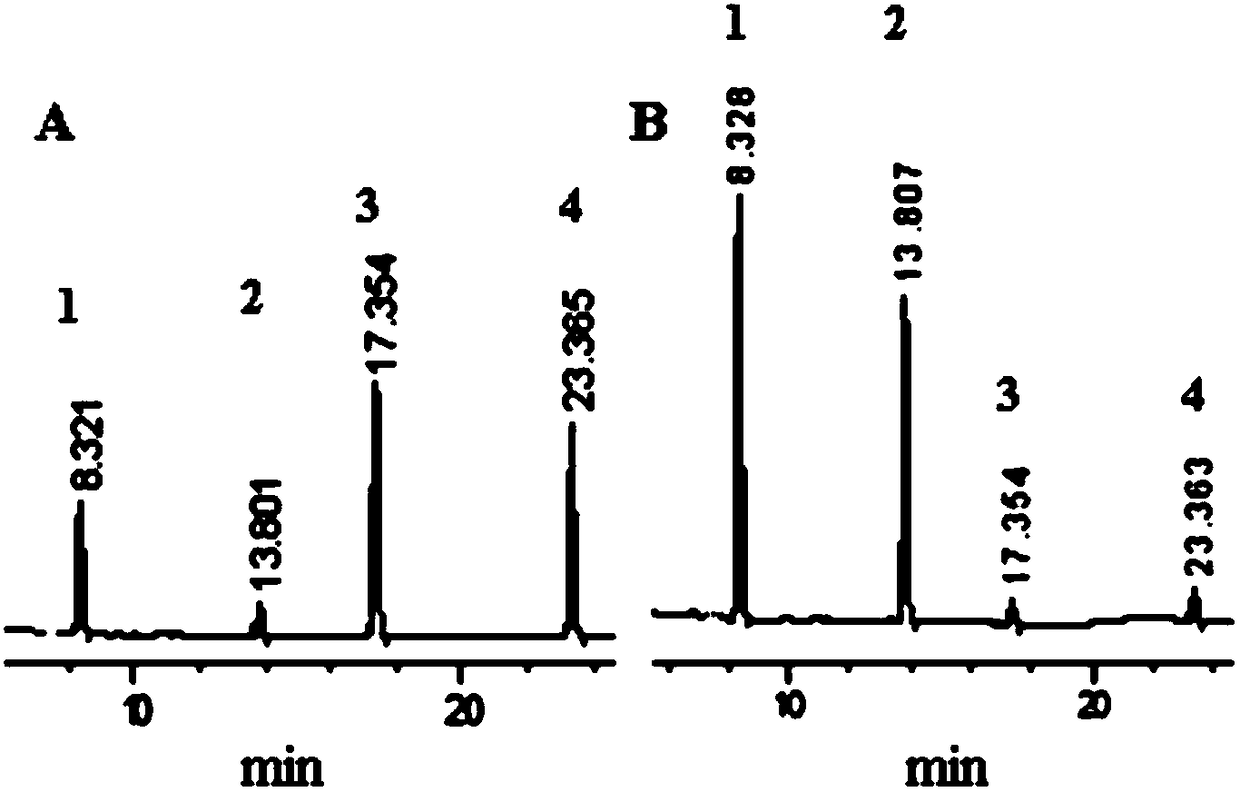
Figure 1 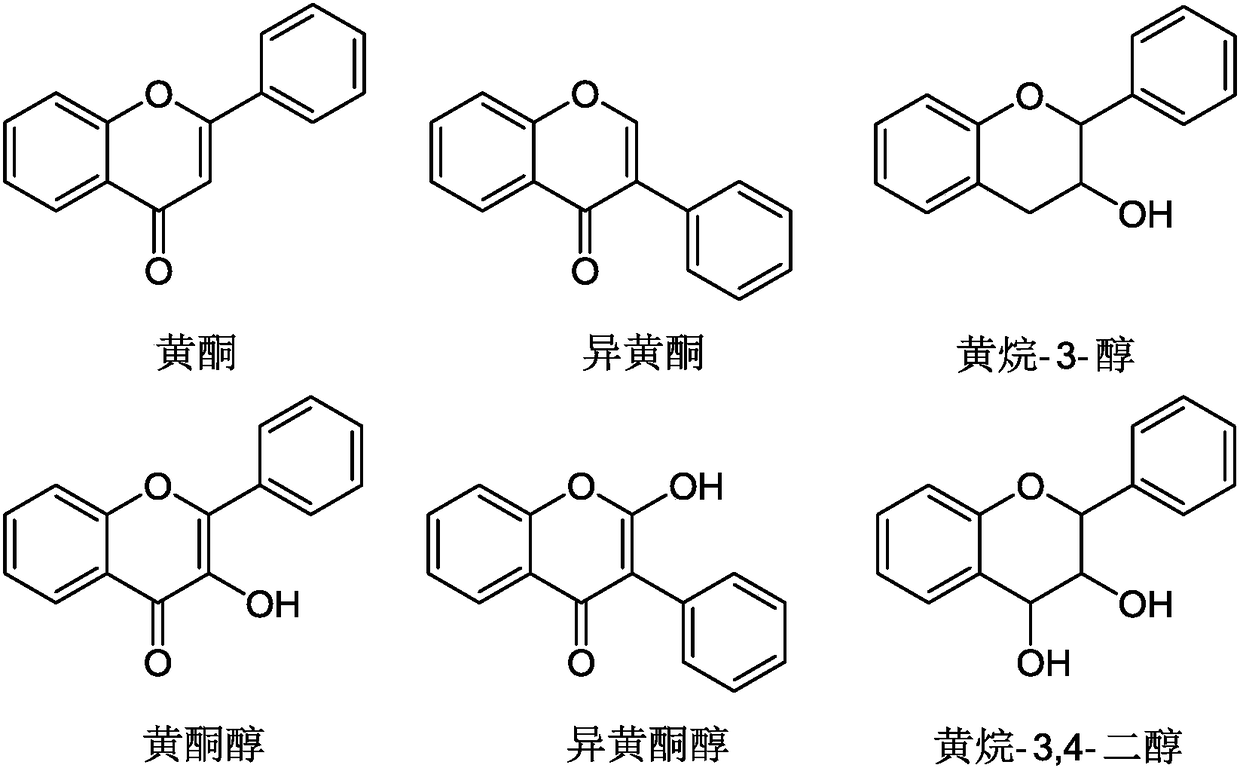
Figure 2 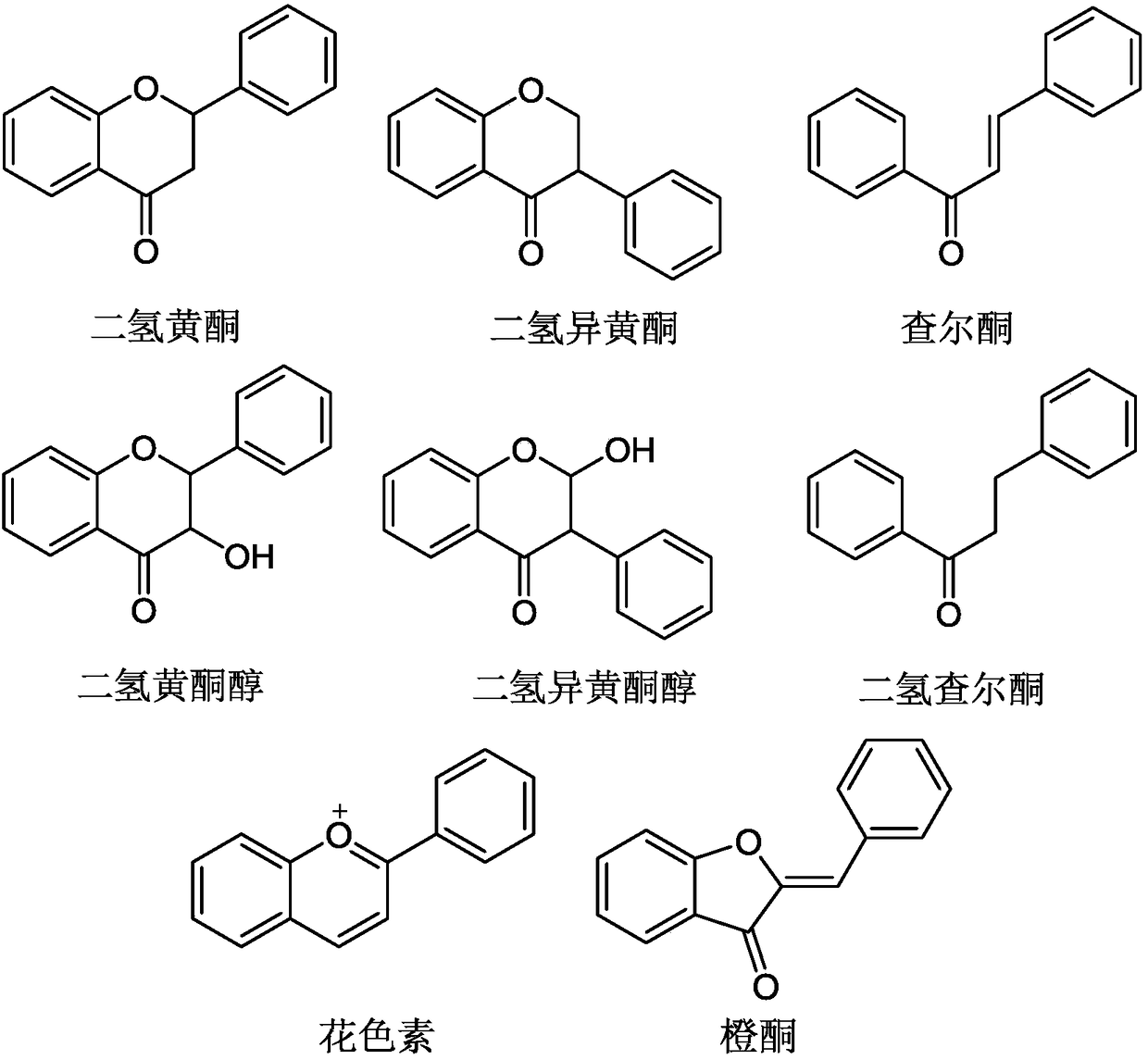
Figure 3
Abstract
Description
technical field
[0001] The invention belongs to the technical field of medicine synthesis, and relates to a method for preparing glucoside of flavonoid compounds, in particular to a method for preparing glucoside of isoflavone aglycone. Background technique
[0002] Saccharide, also known as carbohydrate (carbohydrate), is the primary product of plant photosynthesis, and is also the initial raw material for the synthesis of most natural products. Sugars are widely distributed in natural medicines, usually accounting for 80% to 90% of the dry weight of plants. Since sugar plays a very important role in many basic life processes such as biosynthesis and recognition between cells, fertilized eggs, embryo formation, nerve cell development, cell proliferation, virus and bacterial infection, tumor cell metastasis, etc., Research on carbohydrates has been very active.
[0003] Glucosides, also known as glycosides or glycosides, are composed of sugars or sugar derivatives (such as...
Examples
preparation example Construction
[0023] In a preferred embodiment, the above preparation method further includes the step of separating and purifying the glucoside of the flavonoid aglycone. Examples of suitable chromatography include, but are not limited to, reverse phase column chromatography (RPC), high performance liquid chromatography (HPLC), gel permeation chromatography (GPC), supercritical fluid chromatography (SFC), high speed countercurrent chromatography method (HSCCC), ion exchange chromatography (IEC), thin layer chromatography (TLC), column chromatography (CC), etc. These means of separation and purification are conducive to further improving the purity of glucoside products.
[0024] In the context of the present invention, the term "aglycone" refers to a non-sugar substance capable of forming a glycoside compound through a dehydration reaction of its active hydrogen atom with a hemiacetal or hemiketal hydroxyl group of a sugar or a sugar derivative. Therefore, from the perspective of natural ...
Embodiment 1
[0053] Example 1: Simultaneous conversion of calycosin and formonetin.
[0054] Measure 2mL of 20% (w / w) Vitex twig honey water, put it in a reaction container, and then add 10μL, 10μL, 5μL and 5μL of aqueous solutions of actecoisoflavone, formononetin, actecoside and formononetin, respectively , the concentration of honey in the resulting solution was about 200 mg / mL, while the concentrations of acteosin, formononetin, acteotin and formononetin were 7.38 μg / mL, 6.56 μg / mL, and 8.70 μg / mL, respectively and 2.07μg / mL, wherein the weight ratio of actecoisoflavone and honey is about 1:27000, the weight ratio of formononetin and honey is about 1:30000, and the molar ratio of actcoisoflavone and actcoisoflavone glycoside is about 1.4:1 , the molar ratio of formononetin and formononetin is about 0.5:1, vortex mix, seal, heat in a metal bath for 2h, the reaction temperature is 110 ℃, after the reaction is completed, cool to room temperature, through HPLC Analyzing conversion results...
Embodiment 2
[0060] Example 2: Simultaneous conversion of calycosin and formonetin.
[0061] Measure 4mL of 50% (w / w) Vitex twig honey water, put it in a reaction vessel, and then add 10 μL, 10 μL, 5 μL and 5 μL of aqueous solutions of actecosin, formononetin, actecoside and formononetin, respectively , the concentration of honey in the resulting solution was about 600 mg / mL, while the concentrations of acteosin, formononetin, acteoisoflavone glycoside and formononetin were 4.08 μg / mL, 5.18 μg / mL, and 9.06 μg / mL, respectively and 5.06 μg / mL, wherein the weight ratio of calycosin and honey is about 1:147000, the weight ratio of formononetin and honey is about 1:116000, and the molar ratio of calycosin and verbascoside is about 0.7:1 , the molar ratio of formononetin and formononetin is about 1.6:1, vortex mix, seal, heat in a metal bath for 0.5h, the reaction temperature is 100 ° C, after the reaction is completed, cool to room temperature, pass The conversion results were analyzed by HPLC...