
Adhesive stacking for multiple optical films
a technology of optical film and adhesive, applied in the field of optical displays, can solve the problems of increasing the chance of damage to the film when removing the protective lining, the time required to remove the protective lining from individual optical films, and the chance of damage to the film is increased, so as to reduce the number of steps required, reduce the chance of damage to the film, and facilitate the handling of the film
Patent Information
- Authority / Receiving Office
- US · United States
- Patent Type
- Applications(United States)
- Current Assignee / Owner
- Publication Date
- 2005-03-03
- Estimated Expiration
- Not applicable · inactive patent
Smart Images
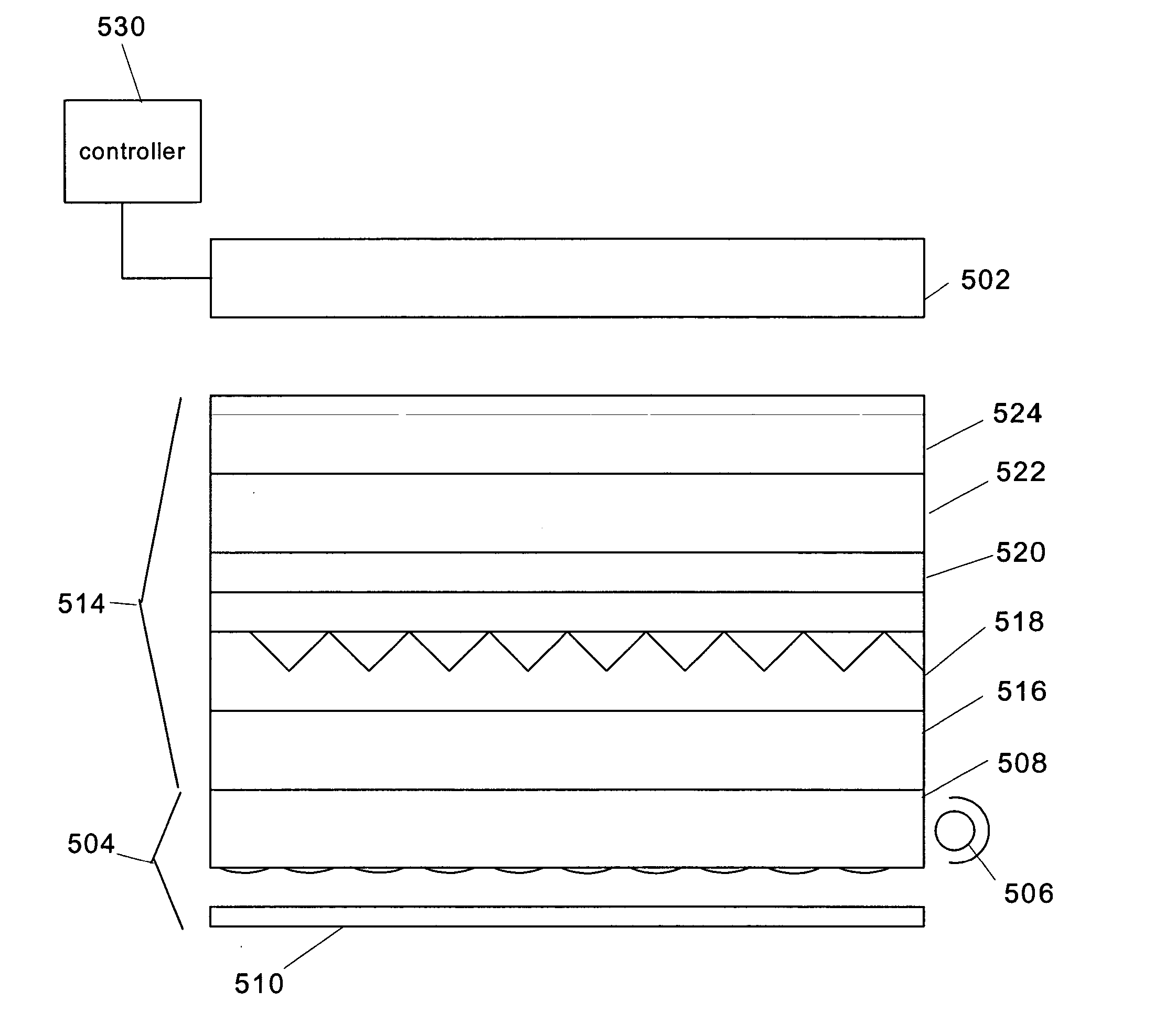
Figure 1 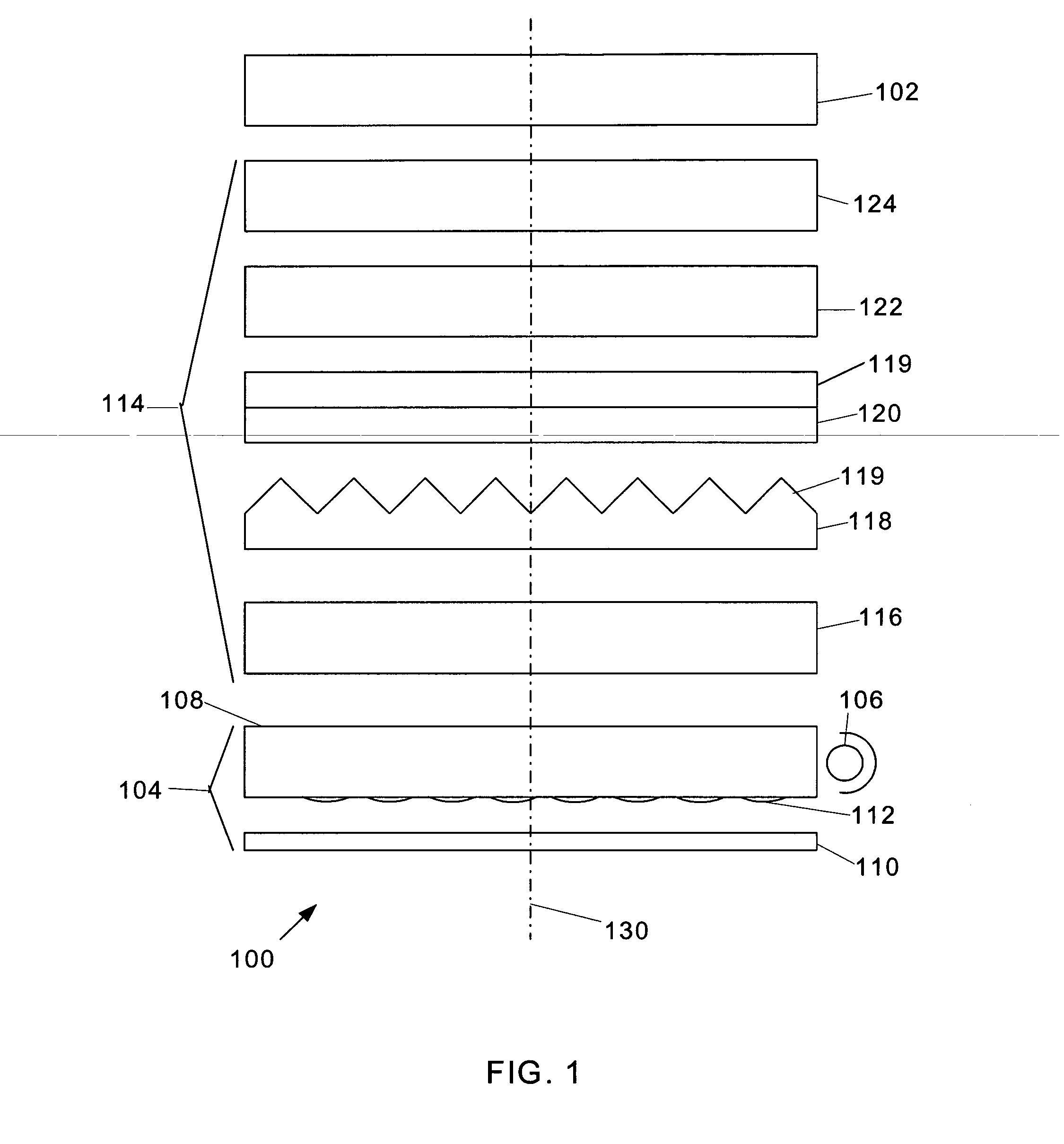
Figure 2 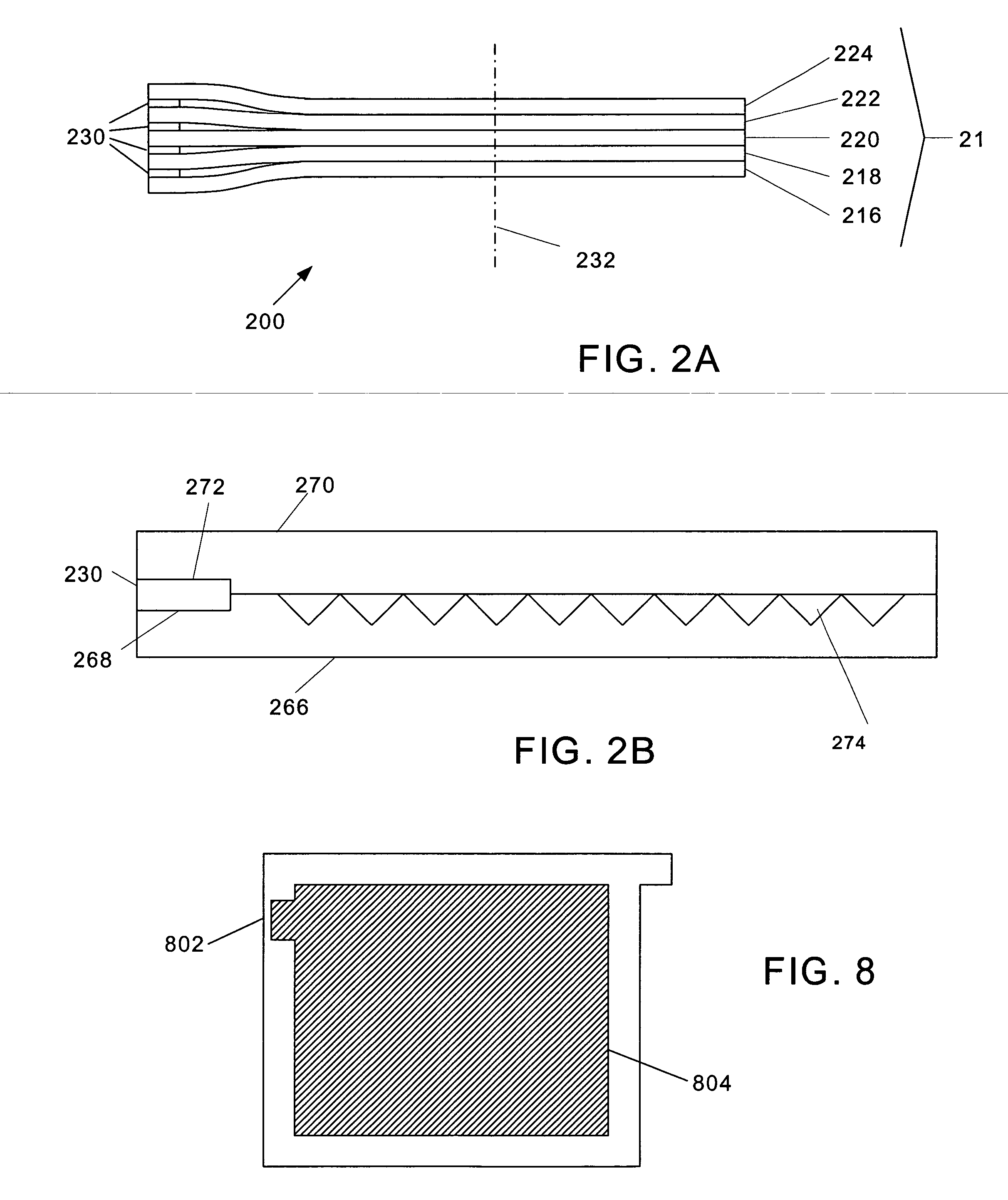
Figure 3
Abstract
Description
FIELD OF THE INVENTION
[0001] The present invention is directed to optical displays, and more particularly to an approach for packaging light management optical films used in optical displays. BACKGROUND
[0002] Optical displays, such as liquid crystal displays (LCDs) are becoming increasingly commonplace, finding use, for example in mobile telephones, hand-held computer devices ranging from personal digital assistants (PDAs) to electronic games, to larger devices such as laptop computers, and LCD monitors and television screens. The incorporation of light management films into optical display devices results in improved display performance. Different types of films, including prismatically structured films, reflective polarizers and diffuser films are useful for improving display parameters such as output luminance, illumination uniformity, viewing angle, and overall system efficiency. Such improved operating characteristics make the device easier to use and may also increase batter...
Examples
Embodiment Construction
[0024] The present invention is applicable to displays, such as liquid crystal displays, and is particularly useful for reducing the number of steps required for making such a display.
[0025] A display system 100 is schematically shown in FIG. 1. The system includes in electronic display element 102, such as a liquid crystal display (LCD) panel, which is typically sandwiched between two glass layers. Furthermore, the display element 102 may include absorbing polarizers above and below the LCD panel to provide the polarization contrast typically required for producing a polarization-based image.
[0026] A backlight assembly 104 may be used as the primary light source for the display element 102, or may be used for providing light through the display element 102 when there is insufficient ambient light for the user to view the image formed by the display element 102. In one particular embodiment, backlight assembly 104 may include several elements such as a light source 106, a light gu...