
Apigenin for chemoprevention, and chemotherapy combined with therapeutic reagents
a technology of apigenin and chemoprevention, which is applied in the field of apigenin for chemoprevention and chemotherapy combined with therapeutic reagents, can solve the problems of recurrence of cancer, high mortality rate, and difficulty in preventing and curing human cancer, so as to enhance the therapeutic reagents of cancer therapy, inhibit angiogenesis, and compound good
Patent Information
- Authority / Receiving Office
- US · United States
- Patent Type
- Applications(United States)
- Current Assignee / Owner
- Publication Date
- 2006-08-24
- Estimated Expiration
- Not applicable · inactive patent
Smart Images
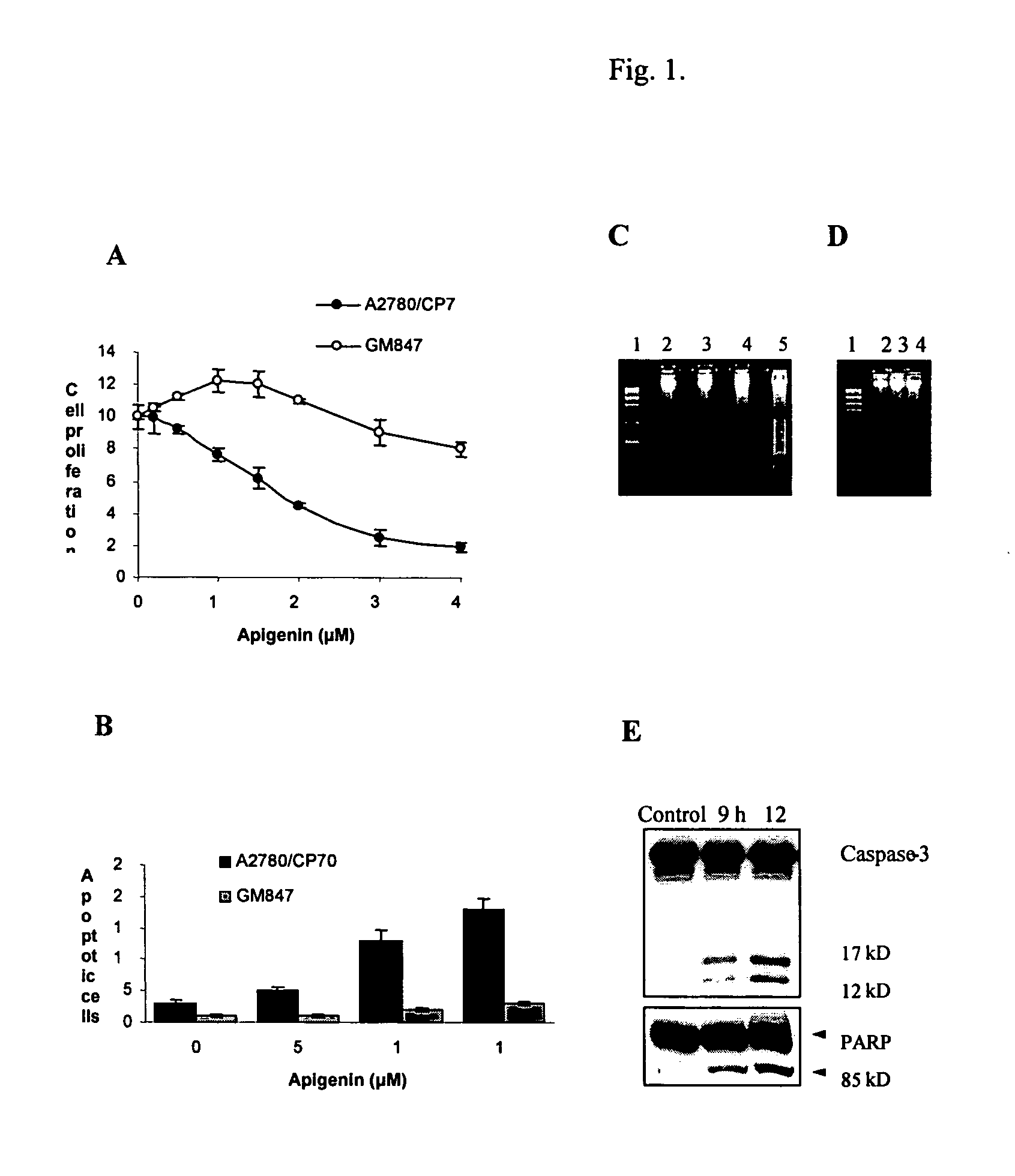
Figure 1 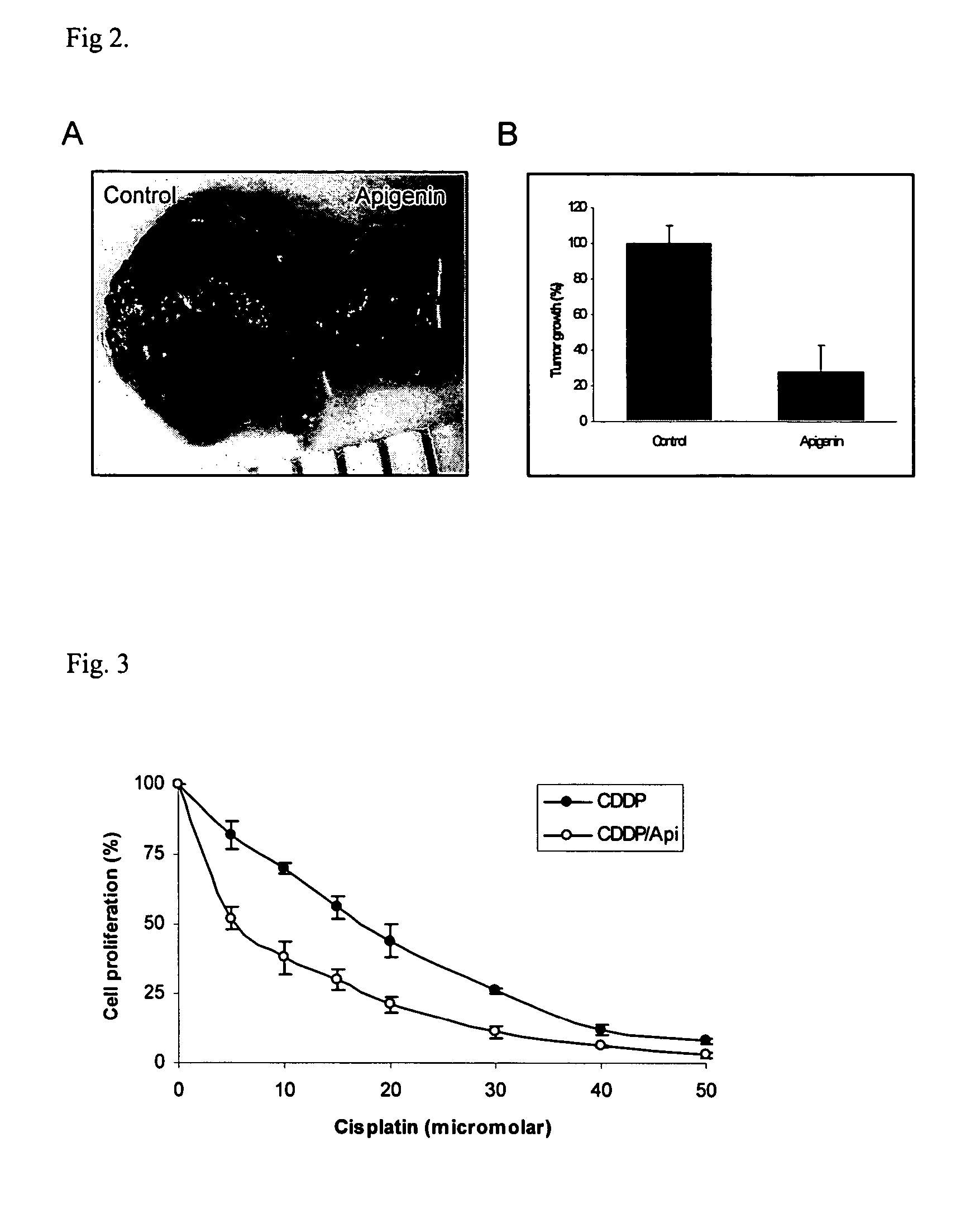
Figure 2 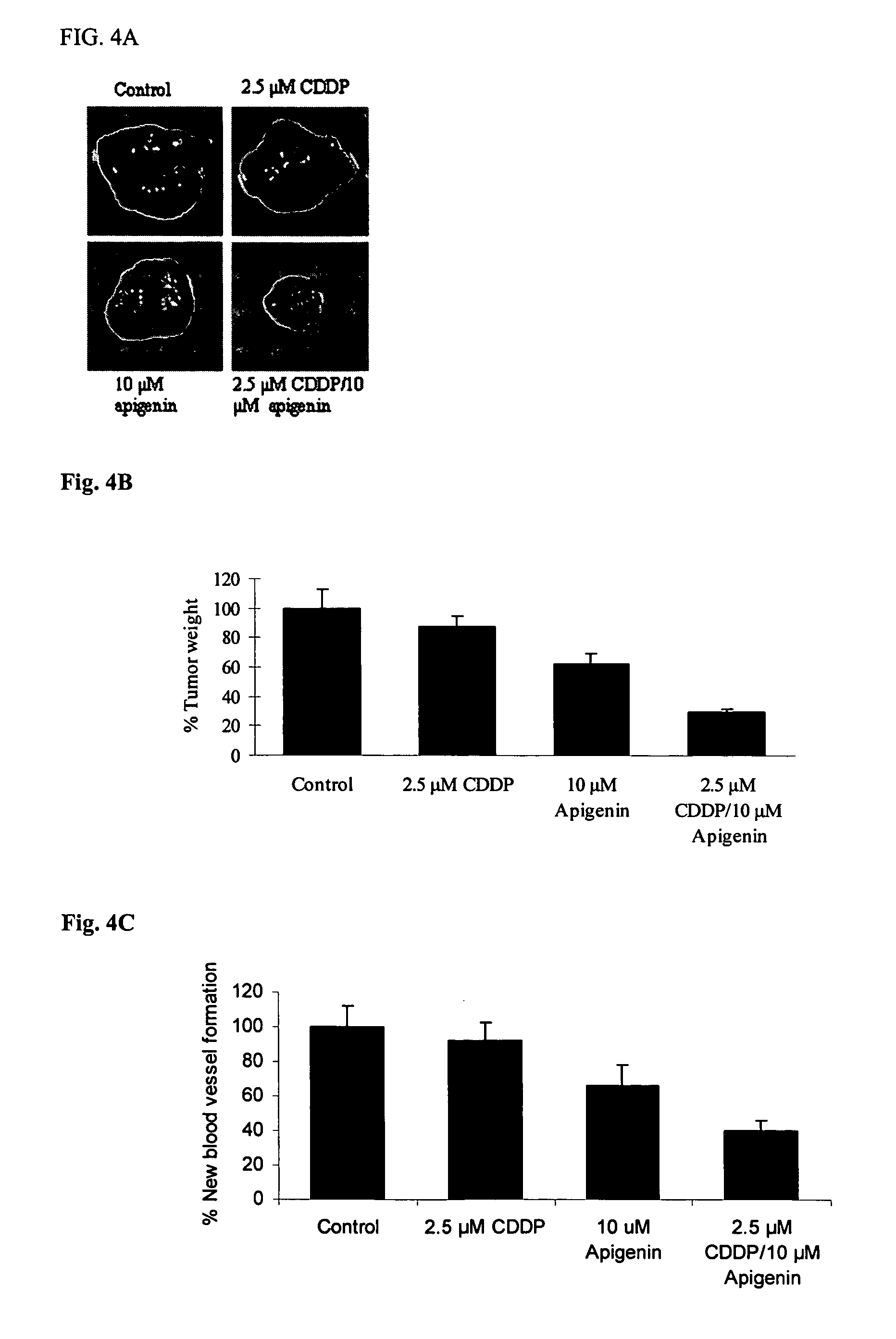
Figure 3
Abstract
Description
RELATED APPLICATION
[0001] The invention claims priority from Provisional Application U.S. Ser. No. 60 / 648,548, filed on Jan. 31, 2005.BACKGROUND OF THE INVENTION
[0002] Human cancer has become the leading cause of death for Americans under the age of 85. Although the overall cancer death rate has declined, approximately 470,000 people died of cancer in 2002. Lung cancer has the highest mortality rate of human cancers; prostate, ovarian, colon and breast cancers are also major causes of cancers for men and women. Although the five year survival rate has risen to 74 percent, 570,260 people are expected to die of cancer in 2005. Preventing and curing human cancer poses a challenge because many of the precursors to the disease are unknown. In many cancers, such as ovarian cancer, late diagnosis of the disease dramatically decreases survival rates. Chemotherapy is the primary treatment for cancers that have metastasized but it too poses problems. While in some cancers chemotherapy can p...
Examples
Embodiment Construction
[0037] Apigenin inhibits angiogenesis induced by cancer cells and can be used to inhibit tumor angiogenesis and tumor growth, and to inhibit angiogenic inducers such as vascular endothelial growth factor and hypoxia-inducible factor 1.
[0038] Apigenin (4′,5,7,-trihydroxyflavone) is a common dietary flavonoid. It has low toxicity, is non-mutagenic, and is widely distributed in many fruits and vegetables, including parsley, onions, oranges, tea, chamomile, wheat sprouts, and in some seasonings (1). Apigenin is used as a health food supplement and recently has been shown to possess anti-tumor properties (2-5). Our data indicate apigenin's potential in the chemotherapeutic and chemopreventive treatment of cancers.
[0039] Human cancers have become the leading cause of death in America for people under the age of 85. The five year survival rate for most human cancers has decreased but the mechanism(s) of human cancer still remains unknown (6). While cisplatin, taxol and other therapeutic ...