
Calcium peroxides nanoparticles as adjuvant therapy
a technology of calcium peroxide and nanoparticles, which is applied in the direction of energy-modified materials, disrupted materials, non-active ingredients of pharmaceuticals, etc., can solve the problems of affecting the ability of large-scale solid tumours to be treated, the limited technique, and the inability of light to penetrate deeply through human tissue, so as to improve the oxygenation of tumours
Patent Information
- Authority / Receiving Office
- US · United States
- Patent Type
- Patents(United States)
- Current Assignee / Owner
- Publication Date
- 2022-02-01
Smart Images
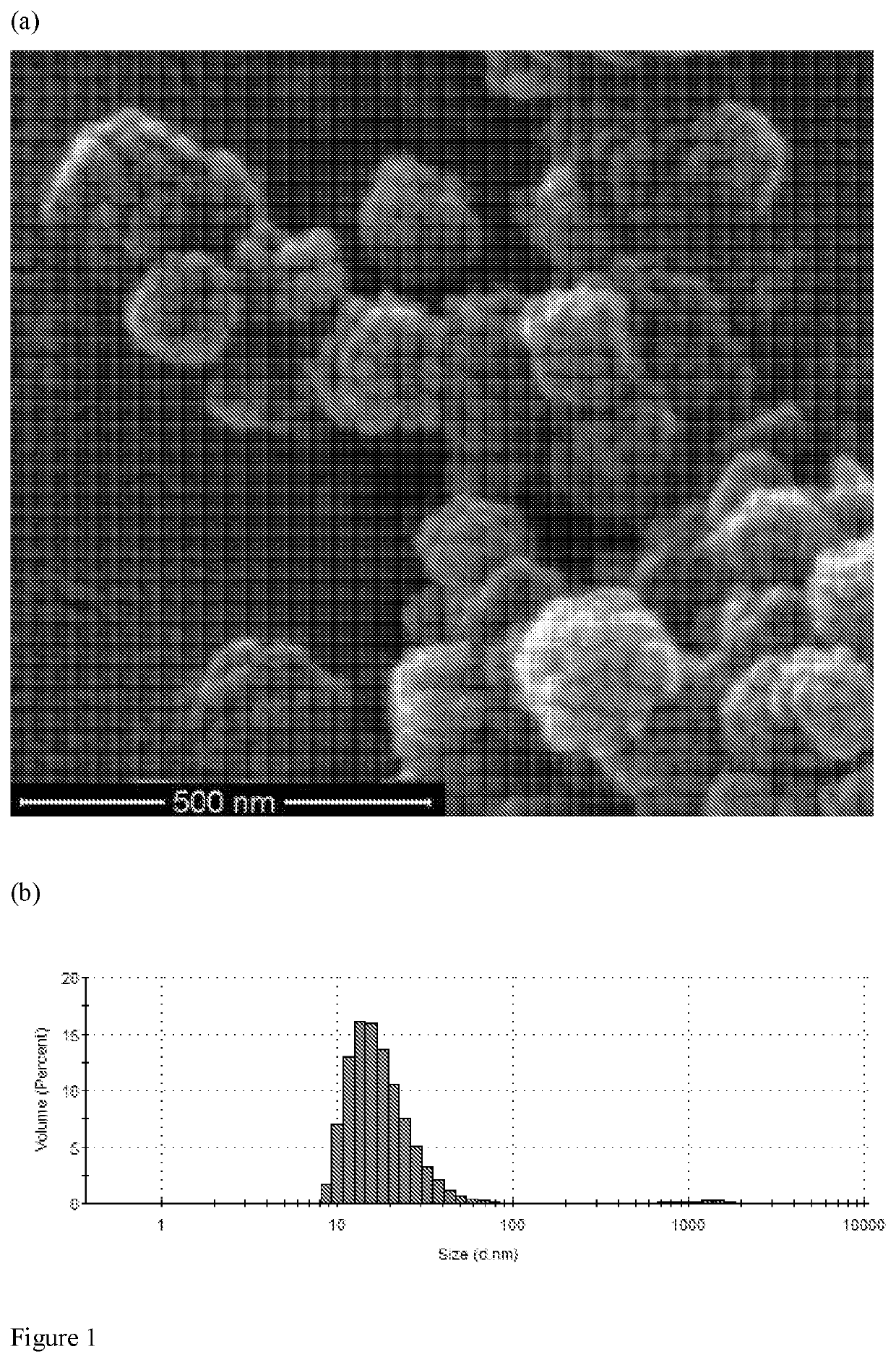
Figure 1 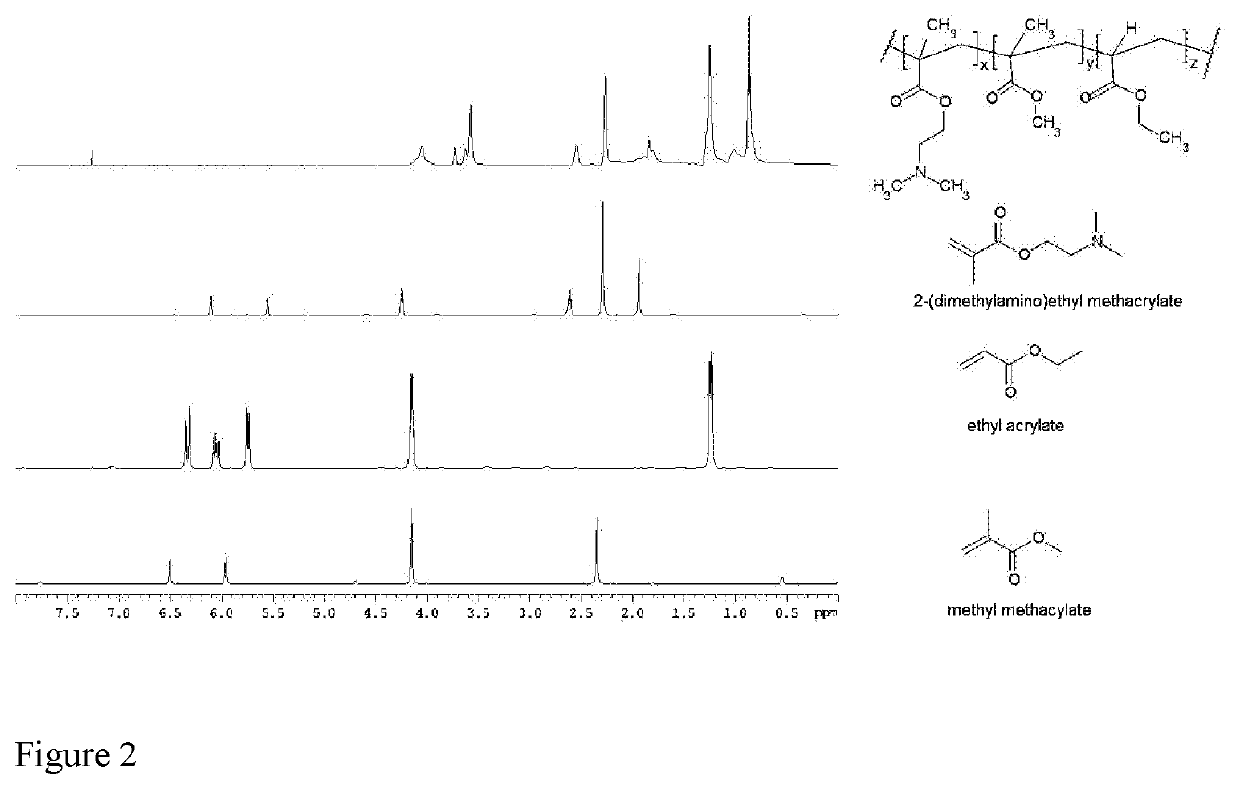
Figure 2 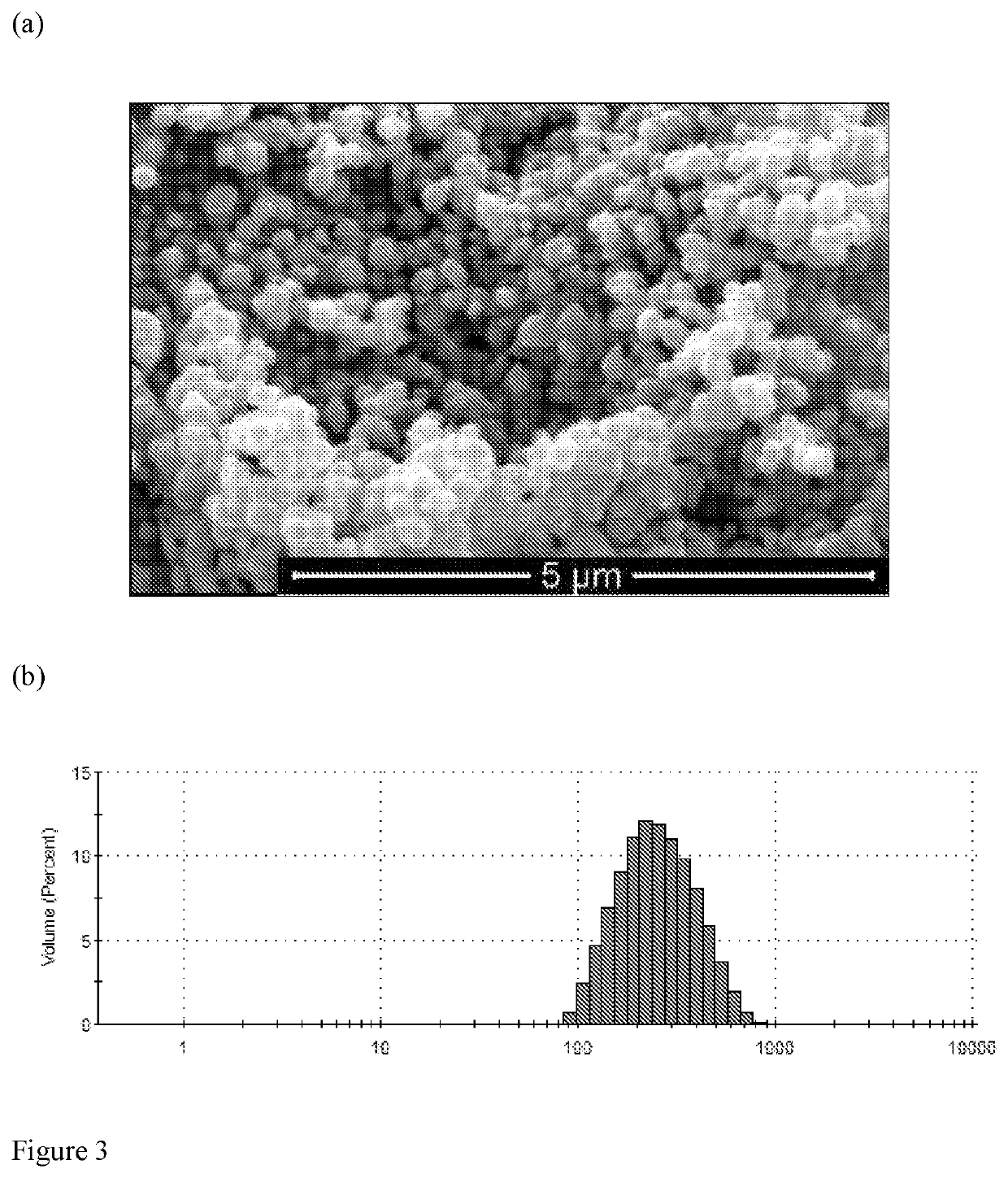
Figure 3
Abstract
Description
TECHNICAL FIELD
[0001] The present invention relates to the use of modified calcium peroxide (CaO2) nanoparticles for the targeted delivery of active oxygen to hypoxic cells and tissues. More specifically, it relates to the use of pH-responsive CaO2 nanoparticles which are capable of oxygenating tissues in which a pH gradient exists.
[0002] Such nanoparticles find particular use in enhancing the efficacy of therapeutic methods which rely on the presence of oxygen. For example, these may be used to improve the oxygenation of hypoxic tumours thereby enhancing cancer therapies that depend on oxygen to exert their effect, such as photodynamic therapy (PDT), sonodynamic therapy (SDT), and radiotherapy.BACKGROUND OF THE INVENTION
[0003] PDT is a clinically approved cancer treatment that involves irradiating a photoactive drug with light, which in the presence of molecular oxygen, generates toxic levels of reactive oxygen species (ROS) ultimately resulting in cell death (Yano et al., Journal of ...
Examples
example 5
tion of Singlet Oxygen Generation
[0138]The ability of the uncoated CaO2 NPs to enhance PDT mediated singlet oxygen generation was determined using the singlet oxygen probe sensor green (SOSG). SOSG is inherently non-fluorescent but reacts with singlet oxygen to generate a fluorescent product with the fluorescence intensity being proportional to the amount of singlet oxygen generated (Faulkner et al., Free Radical Biology and Medicine, 15(4): 447-451, 1993).
[0139]A de-oxygenated PBS solution (2:98; EtOH:H2O) containing SOSG (2.5 μM) and the sensitiser Rose Bengal (5 μM) was prepared and an ethanol solution containing CaO2 NPs (35.6 μM) added. Immediately, the solution was then irradiated with white light for 5 min at which point the fluorescence intensity at 530 nm was measured using a fluorescence spectrometer. Control experiments in the absence of the CaO2 NPs (i.e. RB, SOSG and light) and CaO2NPs only (i.e. CaO2 NPs, SOSG, and light) were also conducted for comparative purposes. T...