
Positive electrode for non-aqueous electrolyte battery and non-aqueous electrolyte battery
a technology of electrolyte battery and positive electrode, which is applied in the direction of electrochemical generator, cell components, coatings, etc., can solve the problems of reducing the effect of suppressing, reducing the performance of the battery, and reducing the electrolytic liquid, so as to enhance the high-temperature storage
Patent Information
- Authority / Receiving Office
- US · United States
- Patent Type
- Applications(United States)
- Current Assignee / Owner
- Publication Date
- 2011-09-15
- Estimated Expiration
- Not applicable · inactive patent
Smart Images
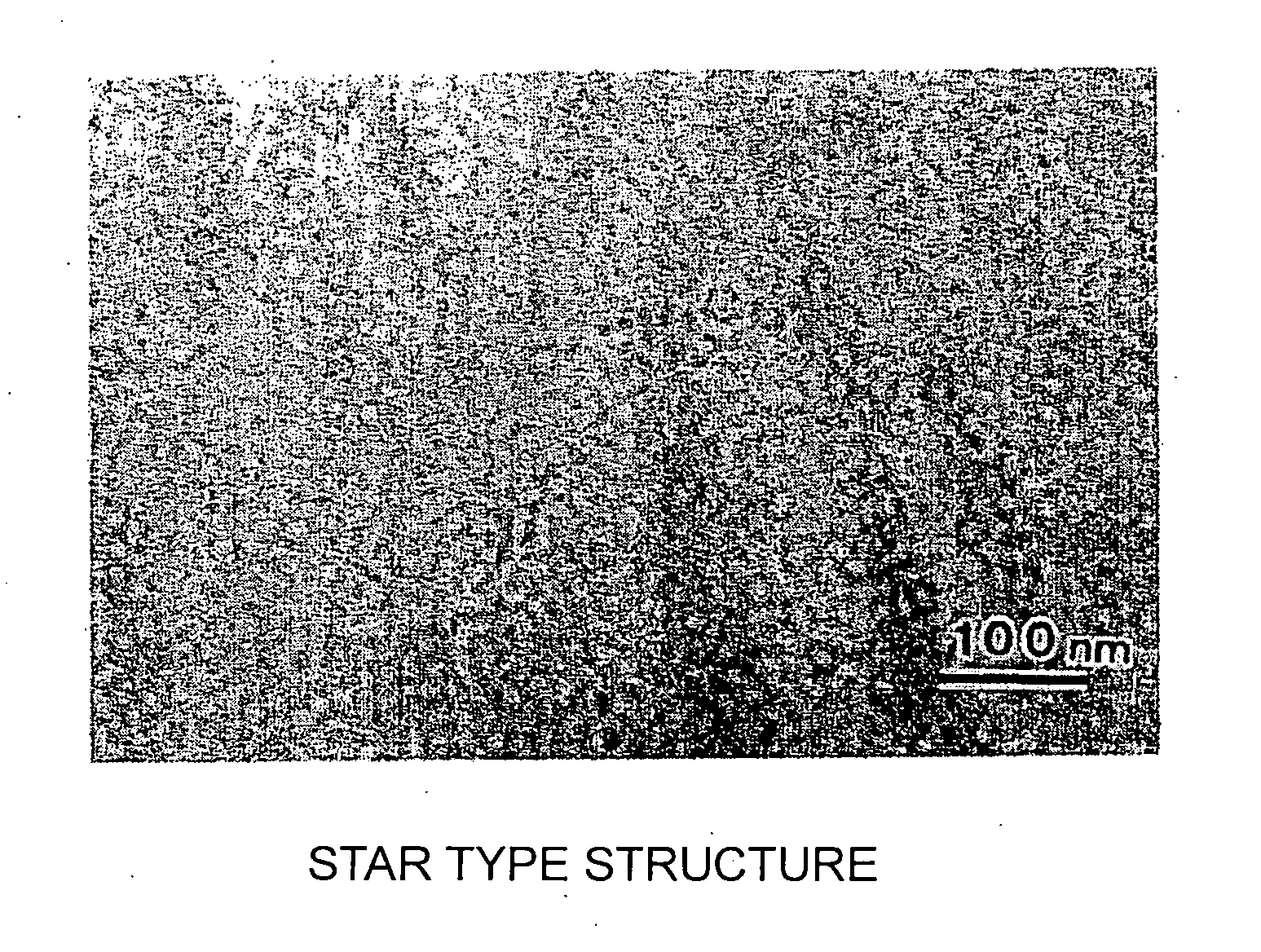
Figure 1 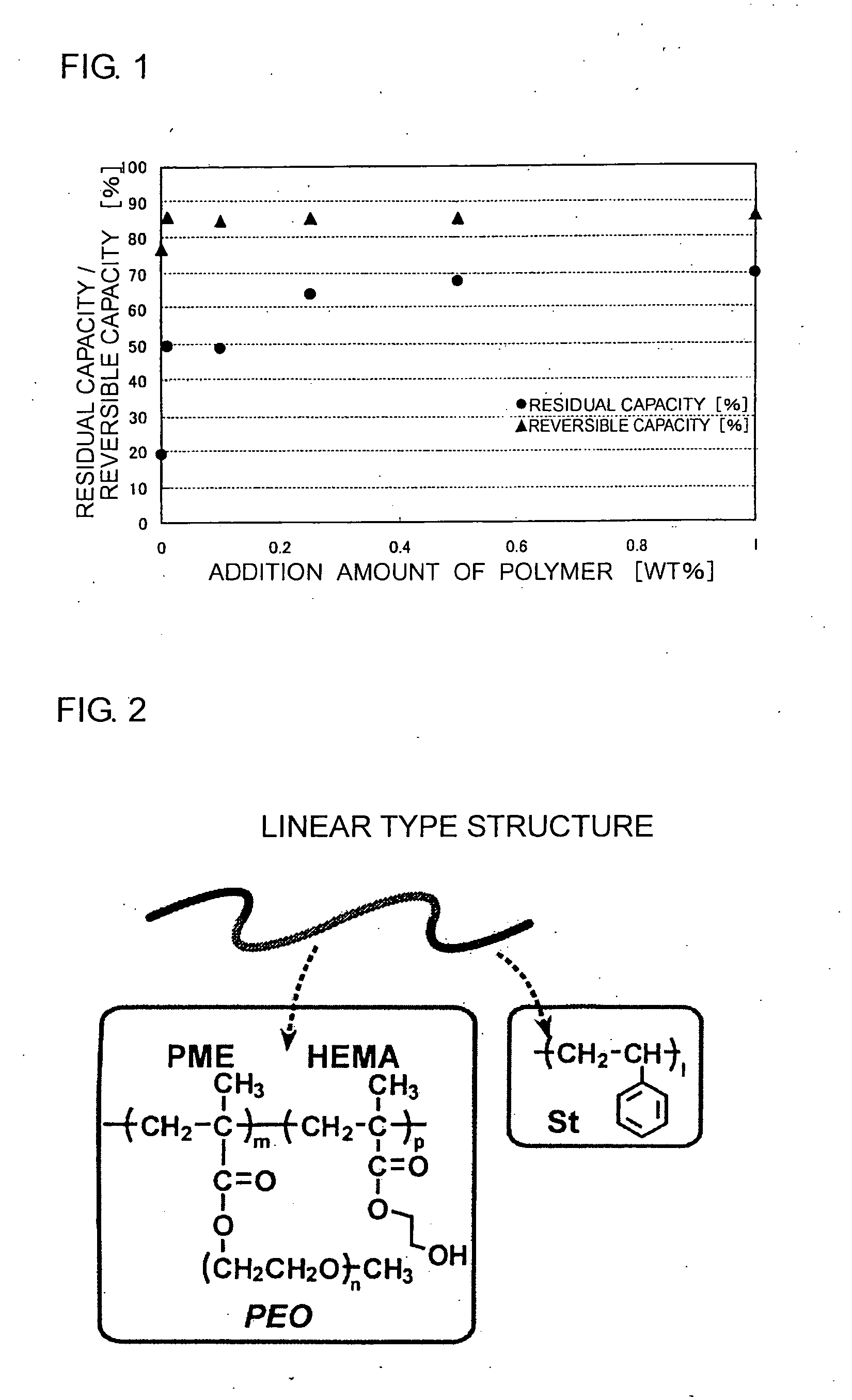
Figure 2 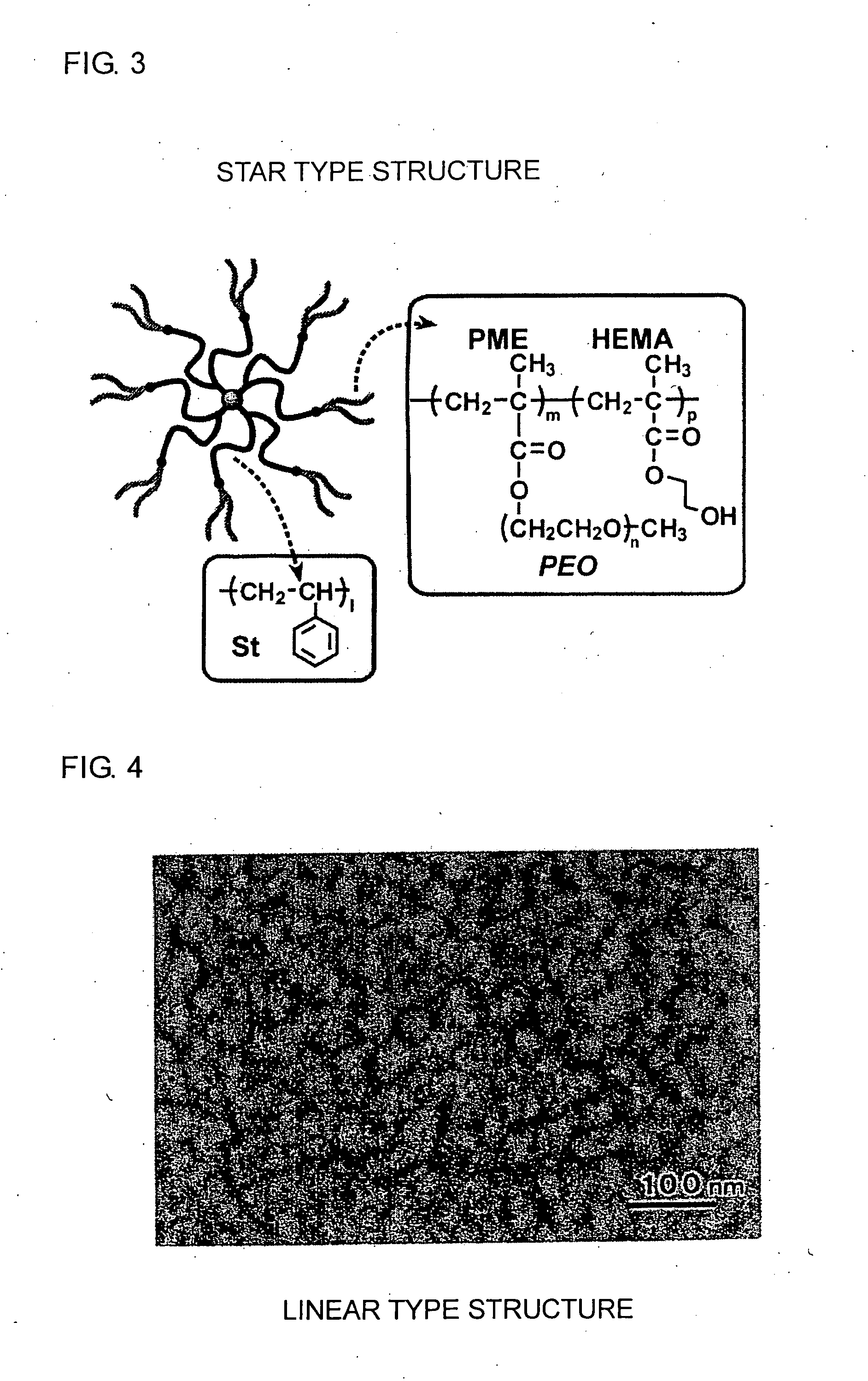
Figure 3
Abstract
Description
[0001] This application is a division of application Ser. No. 12 / 285,006 filed Sep. 26, 2008, which claims priority based on Japanese Patent Application Nos. 2007-252147 and 2008-152784, filed Sep. 27, 2007, and Jun. 11, 2008, respectively, and which are incorporated herein by reference.BACKGROUND OF THE INVENTION
[0002] 1. Field of the Invention
[0003] The present invention relates to a positive electrode for non-aqueous electrolyte battery such as a lithium ion secondary battery and to a non-aqueous electrolyte battery using the same.
[0004] 2. Description of the Related Art
[0005] In view of characteristics of small size and light weight, a lithium ion battery is widely diffused as a drive power source of potable instruments. In recent years, its development for applications including not only power tools and assisted bicycles but HEV is also expected. Like this, properties required for the lithium ion battery are being divided into two opposites of high capacity and high output, and in a...
Examples
example 1
[0179]A positive electrode was prepared in the following manner.
[0180]Lithium cobalt oxide as a positive electrode active material, acetylene black as a carbon conductive agent and PVDF (polyvinylidene fluoride) as a binder were added in a weight ratio of 95 / 2.5 / 2.5 in NMP and mixed using a mixing device (T.K. HIVIS MIX, manufactured by Primix Corporation), thereby preparing a slurry.
[0181]The obtained slurry was coated on the both surface of an aluminum foil and dried, followed by rolling so as to have a filling density of 3.6 g / mL, thereby preparing a positive electrode.
[0182]The Polymer-A solution (PME / HEMA / St: 78.9 / 10.5 / 10.6 (wt %), a TDI crosslinked material) was dissolved in dimethyl carbonate (DMC) in a concentration of 1.0% by weight as reduced into the resin. The foregoing positive electrode was dipped in this DMC solution to form a polymer coating layer on the surface of the positive electrode. A coverage of the polymer coating layer was 0.028 mg / cm2.
[0183]Using the thus p...
example 2
[0185]A positive electrode was prepared in the same manner as in Example 1, except for changing the coverage of the polymer coating layer to 0.11 mg / cm2. A battery was prepared using this positive electrode and designated as “invention battery T2”.
[0186]With respect to the invention batteries T1 and T2 and the comparative battery R1, the results of high-temperature storage test and 3 It rate properties are shown in Table 1.
TABLE 1Results of Storage Testat 60° C.3 It RateResidualReversibleSurfaceProperties CapacityCapacityCoverage(%)(%)(%)Invention 0.028 mg / cm285.679.493.8Battery T1Comparative—90.119.176.6Battery R1Invention 0.11 mg / cm235.975.690.0Battery T2
[0187]As shown in Table 1, the residual capacity and reversible capacity after the storage at 60° C. of the batteries T1 and T2 according to the invention are higher than those of the comparative battery R1. Therefore, it was confirmed that by providing a coating layer composed of the polymer of the invention on the surface of th...
example 3
[0193]Lithium cobalt oxide as a positive electrode active material, acetylene black as a carbon conductive agent and PVDF as a binder were added in a weight ratio of 95 / 2.5 / 2.5 in NMP and mixed using the same mixing device as describe above, thereby preparing a slurry.
[0194]The Polymer-B solution (PME / HEMA / St: 80.9 / 11.2 / 7.9 (wt %), a TDI crosslinked material) was added in the foregoing slurry such that its content in the positive electrode active material layer was 0.25% by weight as reduced into the resin, and after the addition, the mixture was further stirred to prepare a positive electrode mixture slurry.
[0195]The positive electrode mixture slurry was coated on the both surfaces of an aluminum foil and dried, followed by rolling to prepare a positive electrode. The positive electrode had a filling density of 3.6 g / mL.
[0196]Using this positive electrode, a battery was prepared in the manner as described above. This battery was designated as “invention battery T3”.