

System and method for assessing embryo viability
Patent Information
- Authority / Receiving Office
- US · United States
- Current Assignee / Owner
- Publication Date
- 2018-06-21
Smart Images
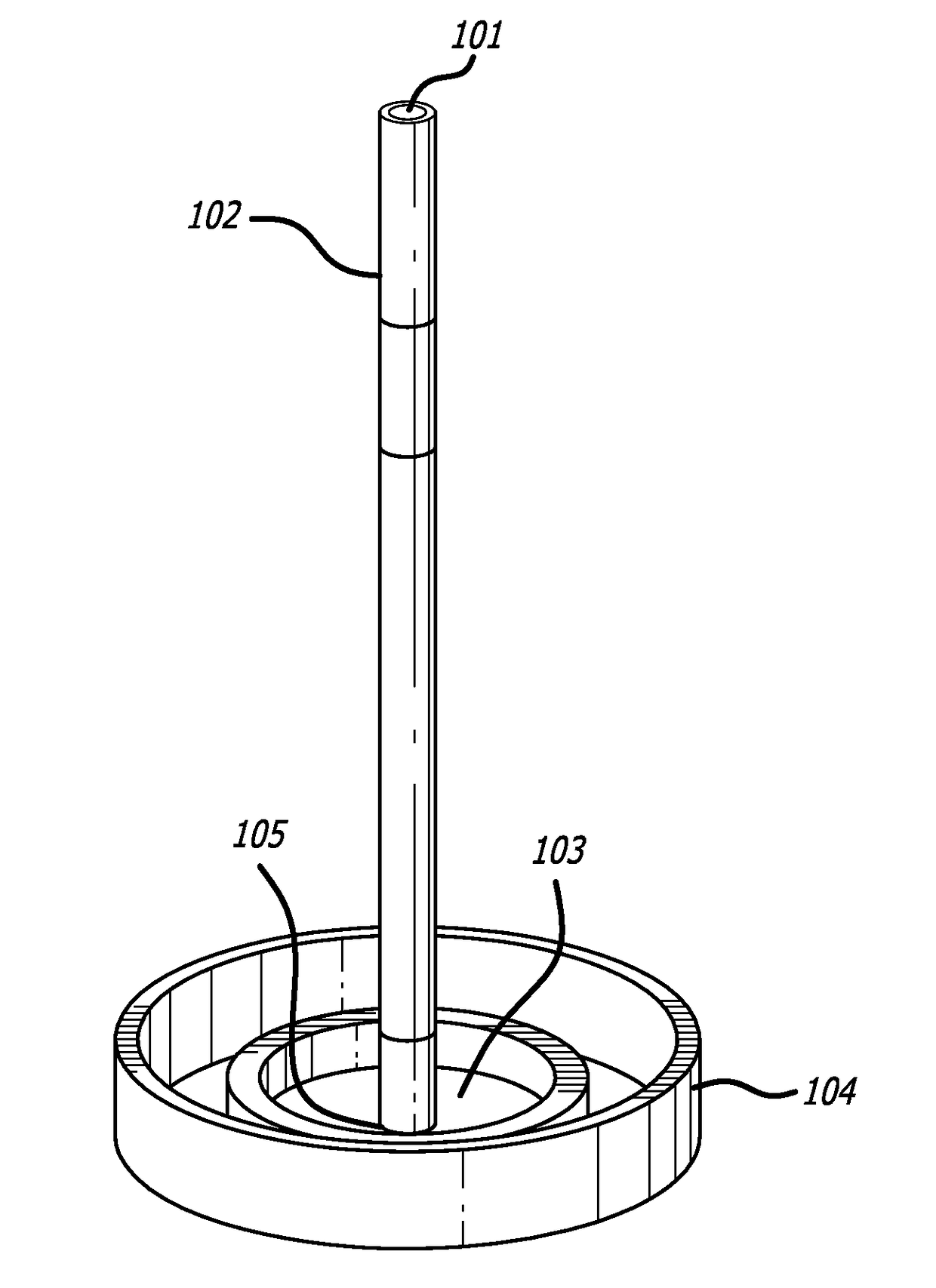
Figure 1 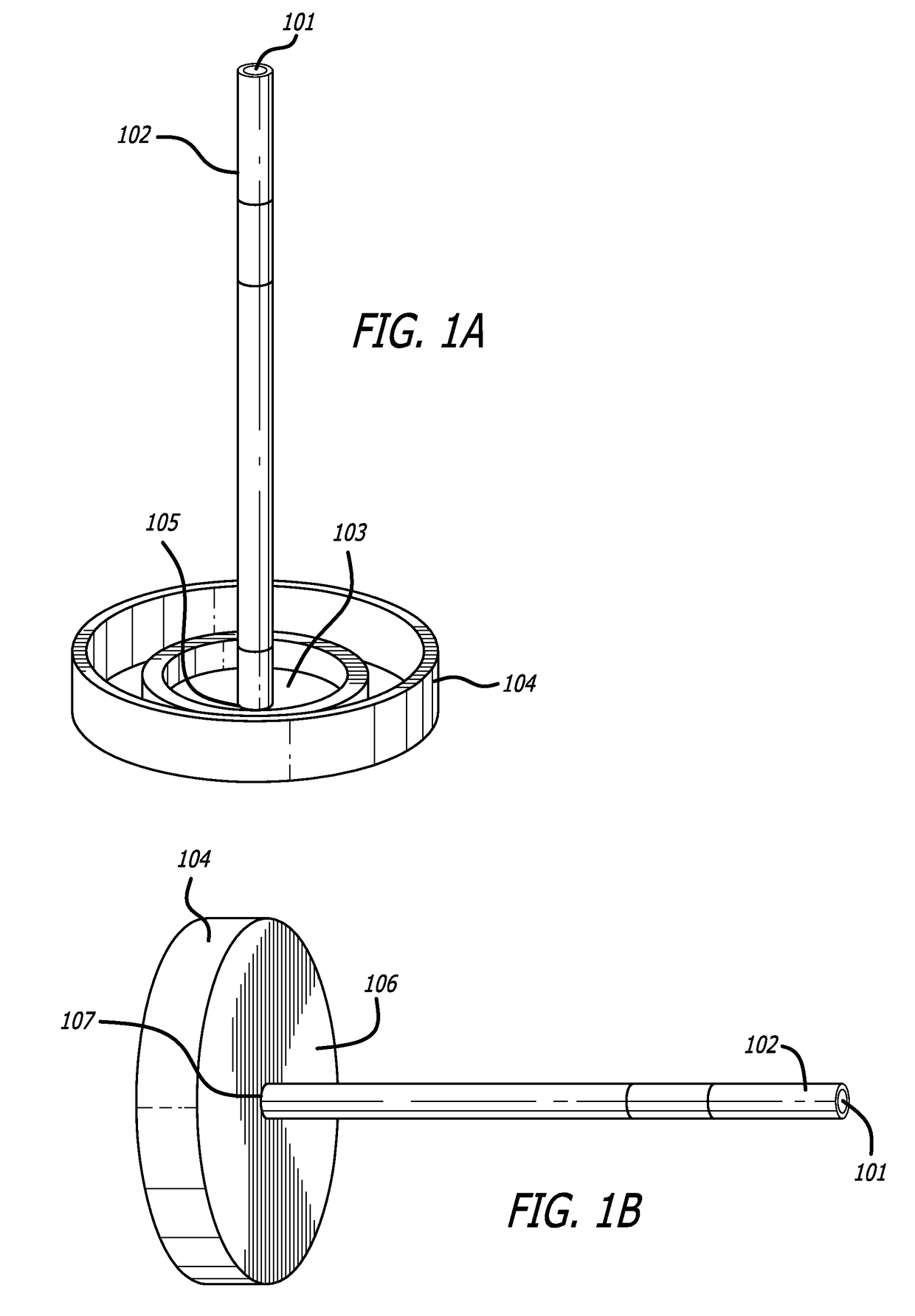
Figure 2 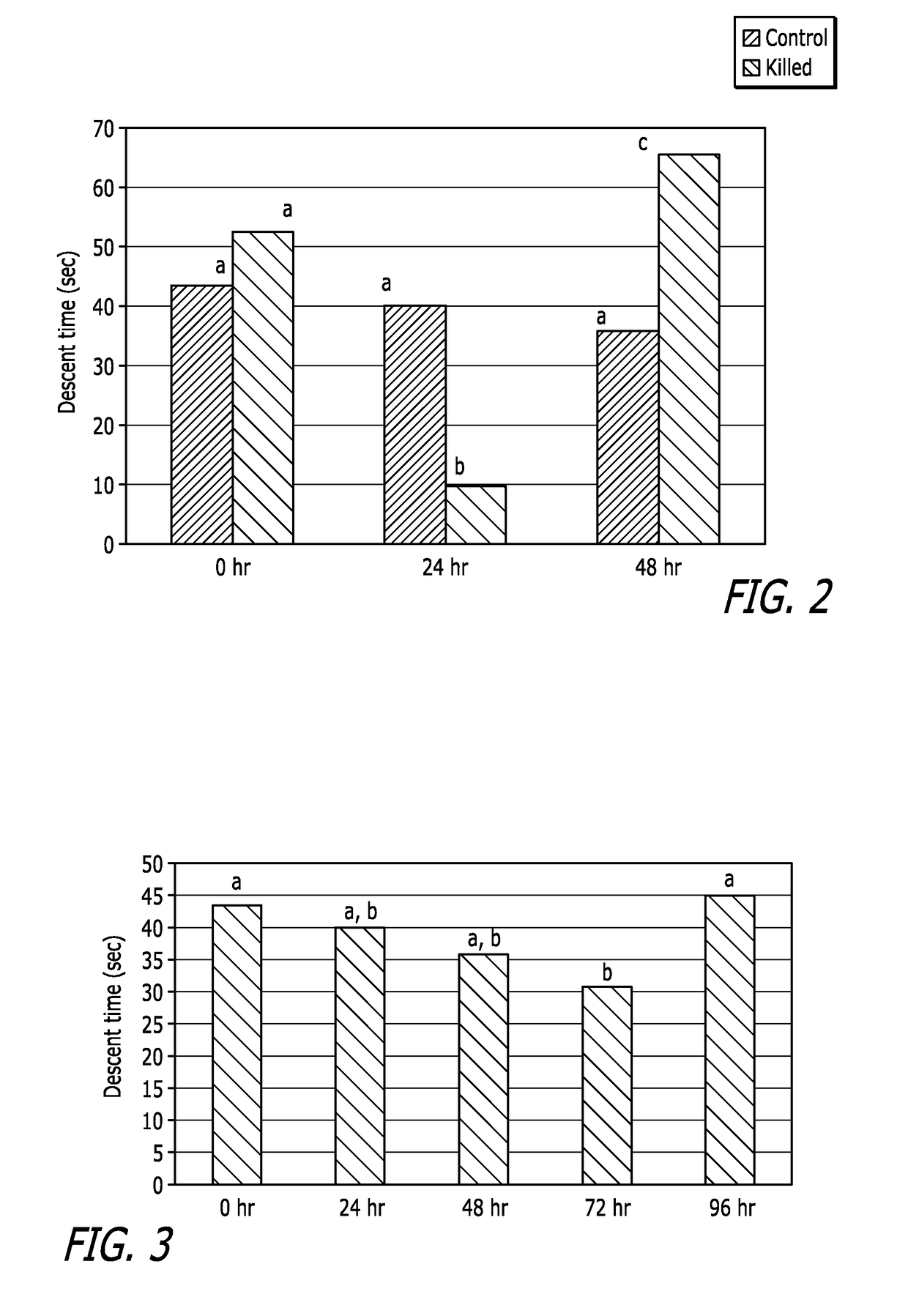
Figure 3
Abstract
Description
CROSS-REFERENCE TO RELATED APPLICATIONS
[0001] This application claims priority to: provisional U.S. Patent Application Ser. No. 62 / 019,034, filed on Jun. 30, 2014, entitled “System for Determining Embryo Viability” which provisional patent application is commonly assigned to the Assignee of the present invention and is hereby incorporated herein by reference in its entirety for all purposes.
[0002] This application includes material that is subject to copyright protection. The copyright owner has no objection to the facsimile reproduction by anyone of the patent disclosure, as it appears in the Patent and Trademark Office files or records, but otherwise reserves all copyright rights whatsoever.TECHNICAL FIELD
[0003] The present invention relates in general to the field of assisted reproductive technologies. In particular, the system provides for viability testing of embryos. The disclosed systems and methods support a wide variety of scenarios for human reproductive medicine and animal h...
Examples
example 1
Specific Gravity Chamber for System
[0064]Initial studies were conducted using 0.5 mL straws filled completely with media. The media-filled straw, serving as the tube, was positioned perpendicular to the ground such that the open end was at the top and embryos were placed at the meniscus and allowed to descend in response to gravity while being observed through a dissecting microscope. While it is recognized that specific gravity techniques measure density, in cases where the object's shape and size are equal density is a very close estimation of weight. Therefore, by measuring the descent time of the embryos over a set distance and comparing it to the descent time of beads of a similar size and shape to embryos, and with a known weight of the beads, a mathematical formula was derived making it possible to estimate embryo weight as shown in more detail below.
[0065]The system of the present invention allows the embryo to complete its descent into the central well of an organ culture d...
example 2
n of Embryo Rates and Pregnancy Outcomes
[0074]Example 2 describes the ability of the present invention to determine differences in weight in order to sort embryos. One issue requiring resolution is to reduce loss of embryos in the system, which in many instances, including human application, the present invention requires virtually 100% recovery for each set of embryos analyzed. Therefore the objectives of the present example are to: 1) allow easy recover of all embryos; 2) demonstrate the continued growth of the embryos in culture; 3) demonstrate the system distinguishes between live and dead embryos, and 4) sorting viable embryos.
[0075]Verification of Specific Gravity Chamber. The embryo specific gravity chamber, presented as the device of the present invention, was designed to facilitate embryo recovery. In order to properly calibrate the chamber for purposes of determining weights of the embryos, 100 beads of 4 different known weights and sizes were dropped into the device and t...
example 3
tion of the Relationship Between Length of the Drop Chamber and Embryo Development
[0083]The push toward single embryo transfer (SET) has created an ever increasing need for high quality embryos. Numerous groups have proposed the use of microfluidics as a means of increasing embryo quality. However, to date, no practical means of creating a microfluidics environment (MFE) has been developed. The system of the present invention provides a Modified Specific Gravity Technique (MSGT) in determining the best embryos for transfer. Results show an improvement in embryo quality due to a momentary exposure to a MFE. The objective of the present example is to show that MSGT enhances embryo development due to momentary exposure to a MFE and the limitation of such treatment. Two-hundred and fifty, single-cell mice embryos were collected and split between five treatment groups designed to produce varying exposures to MFE. The control was standard microdrop culture. The momentary MFE was varied by...