
Digital photo induction device
A sensing device and light sensing technology, which is applied in the direction of using electric radiation detectors for light metering, measuring circuits, etc., which can solve the problems of being susceptible to temperature or noise interference, and that a single signal cannot sense two-stage signals.
- Summary
- Abstract
- Description
- Claims
- Application Information
AI Technical Summary
Problems solved by technology
Method used
Image

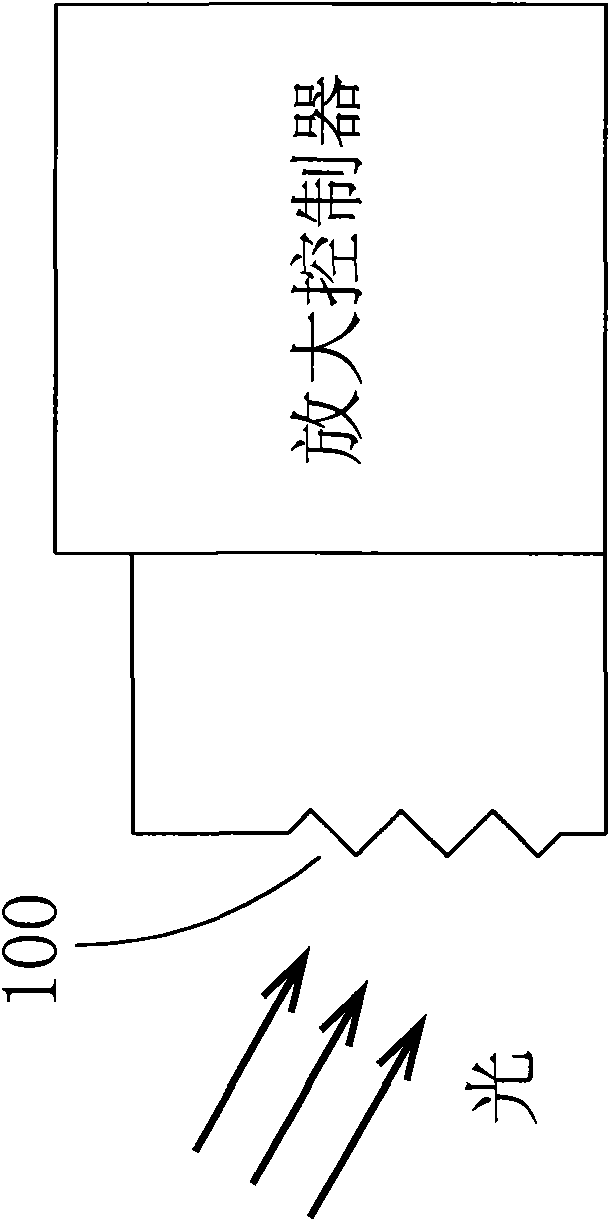
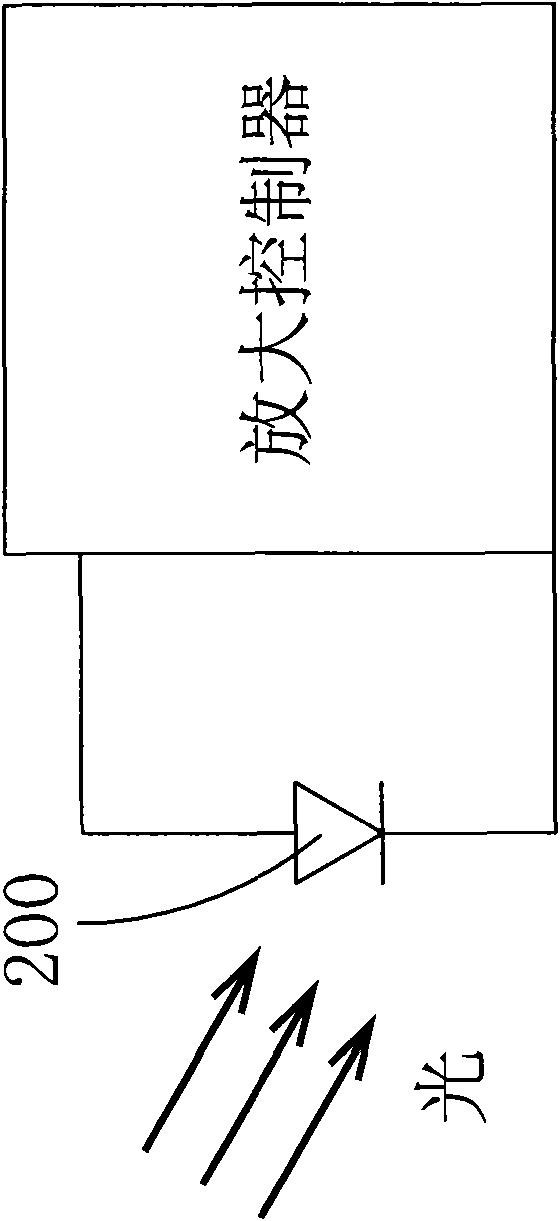
Examples
Embodiment Construction
[0013] In order to make it easier for your examiner to understand the content of the present invention and the effects that can be achieved, the detailed descriptions of the accompanying drawings and drawing numbers are as follows:
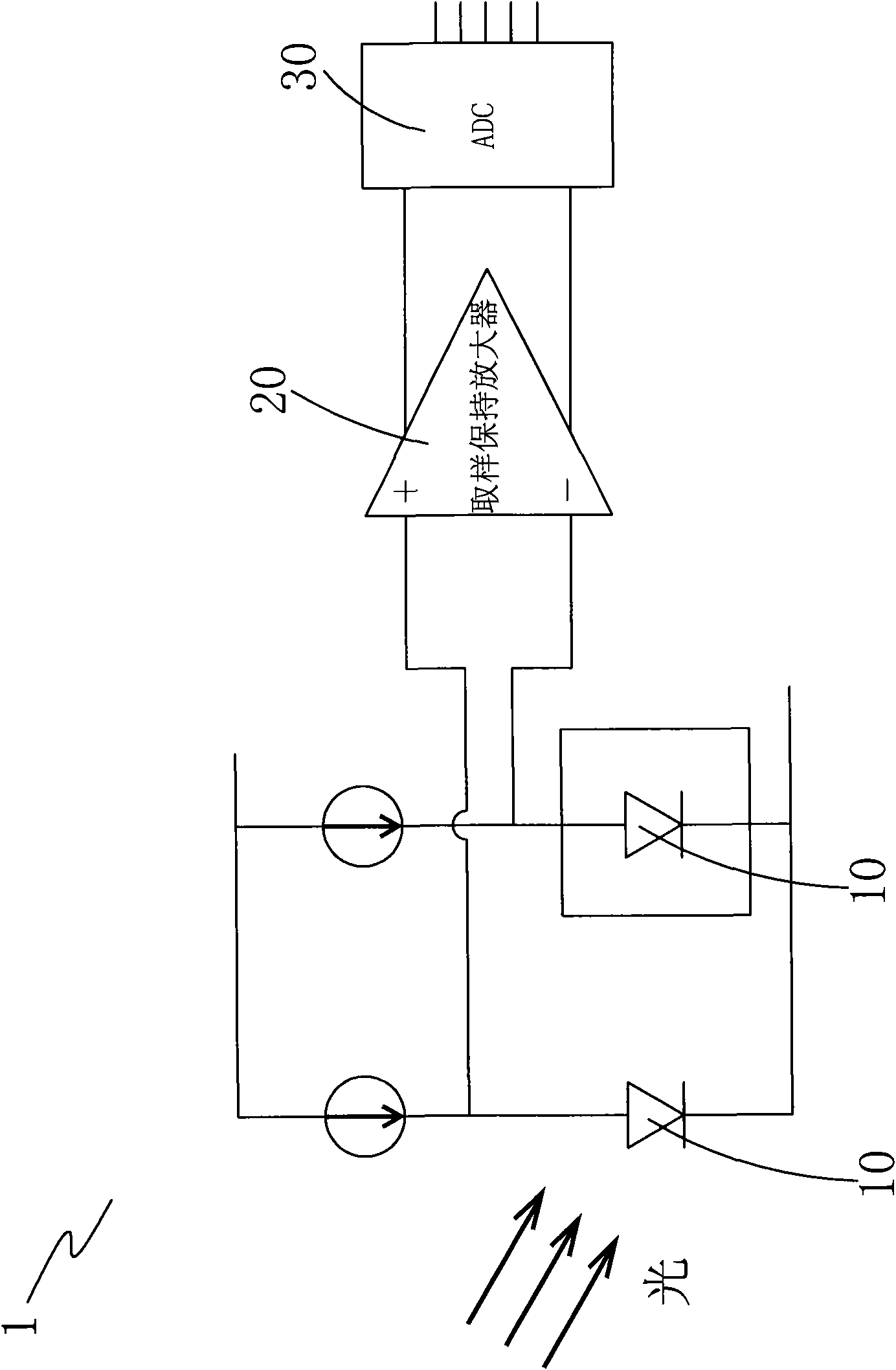
[0014] see image 3 , which is a schematic circuit diagram of the present invention, a digital light sensing device 1, which includes:
[0015] A sampling and holding amplifier (Sampling Hold AMP) 20 is connected to a photosensitive diode 10 at its non-inverting input terminal and inverting input terminal respectively, and then an analog-to-digital converter (ADC) 30 is connected to the output terminal of the sampling and holding amplifier 20 Wherein said photosensitive diode 10 has two, and the P-type connection of a photosensitive diode 10 is connected to the non-inverting input end of the sample-and-hold amplifier 20, and the P-type connection of another photosensitive diode 10 is connected to the sample-and-hold amplifier 20, and the N-type j...
PUM
 Login to View More
 Abstract
Description
Claims
Application Information
 Login to View More