
Method suitable for bastard halibut gonad frozen section mRNA in-situ hybridization
A technology of frozen section and in situ hybridization, which is applied in the direction of biochemical equipment and methods, microbial measurement/inspection, etc., and can solve difficult and difficult-to-apply problems
- Summary
- Abstract
- Description
- Claims
- Application Information
AI Technical Summary
Problems solved by technology
Method used
Image

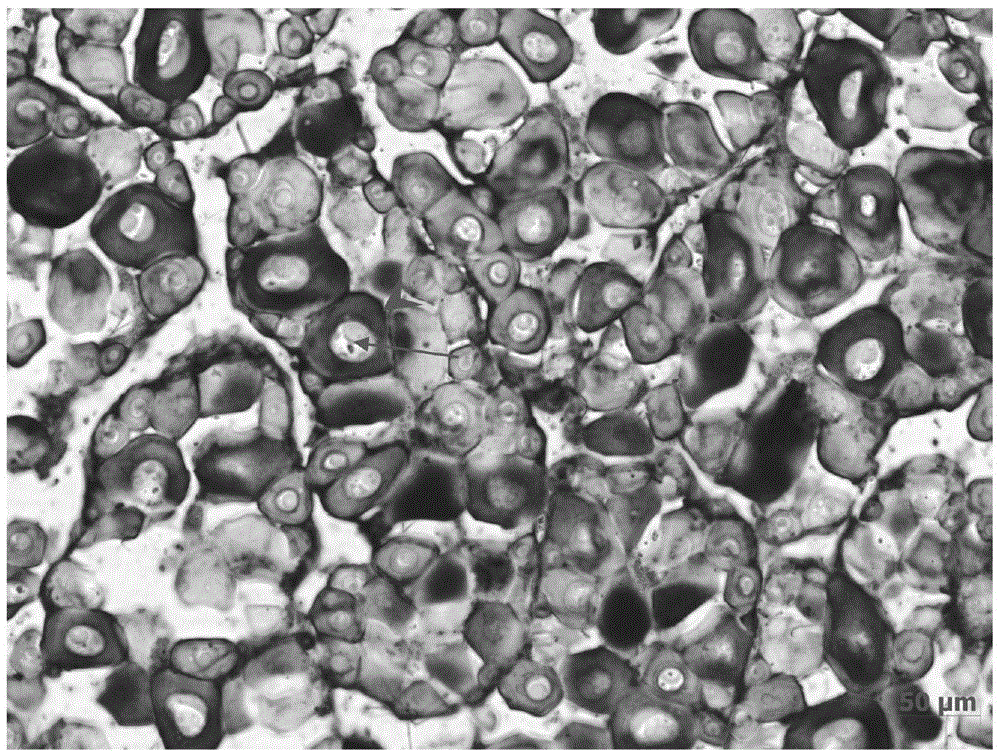
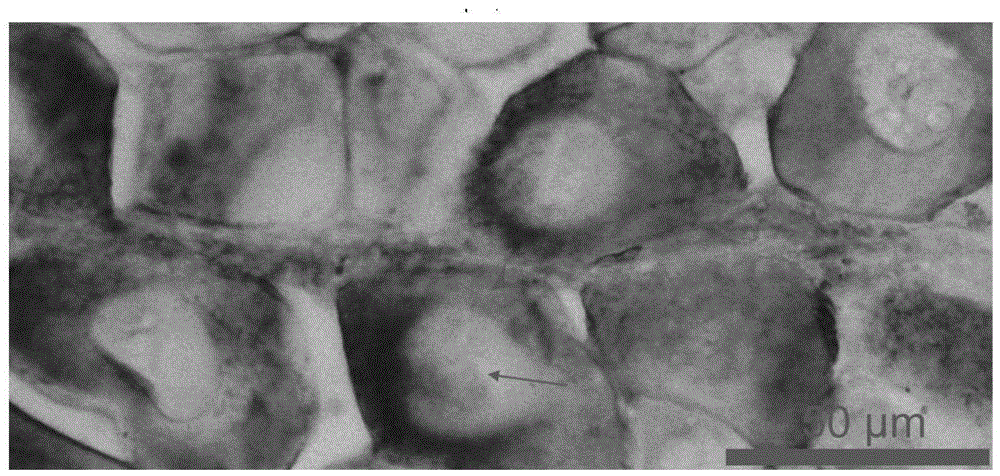
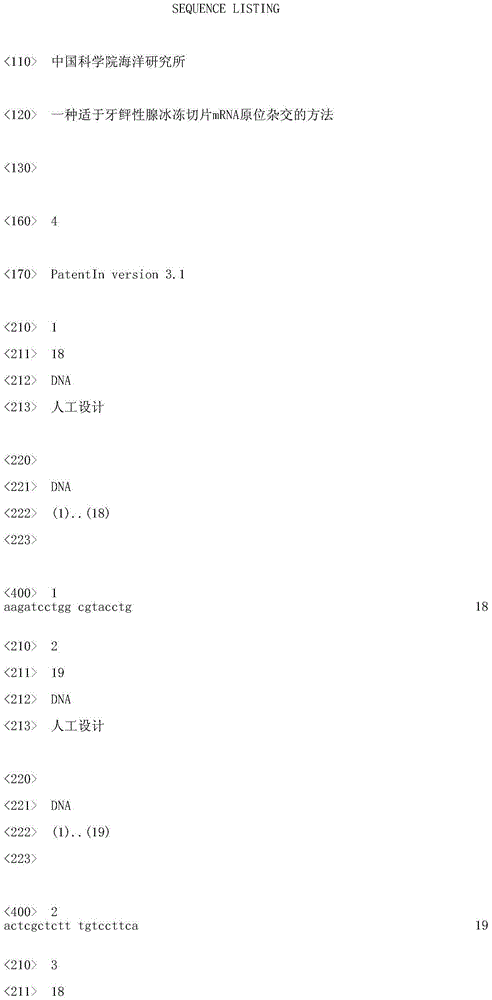
Examples
Embodiment
[0023] 1. Sampling and washing. Stripped flounder gonad samples were rinsed with excess RNase-free 1×PBS buffer.
[0024] 2. Fixed. The washed gonad samples were placed in RNase-free centrifuge tubes. The samples were mixed with 4% PFA at a volume ratio of 1:10. After inversion and mixing, they were placed flat at 4°C and fixed for 12 hours. The PFA was obtained by dissolving 4 g of PFA in 100 ml RNase-free 1×PBS buffer.
[0025] 3. Long-term storage. The above-mentioned fixed samples were rinsed twice with an excess concentration of 100% methanol solution, placed in an excess concentration of 100% methanol solution after washing, and stored at -20° C. for a long time.
[0026] 4. Frozen section. The above-mentioned long-term storage samples were rehydrated for 10-30 minutes with the volume ratio of 3:2 and 2:3, the concentration of 100% methanol and RNase-free 1×PBST buffer respectively; then washed 4 times with 100% PBST, 5 minutes each time. After washing and rehydrat...
PUM
 Login to View More
 Abstract
Description
Claims
Application Information
 Login to View More