
Marine platform vibration control strategy based on switching control system
A technology for vibration control and offshore platforms, which is applied in control/regulation systems, mechanical oscillation control, non-electric variable control, etc., to achieve the effect of improving the vibration suppression effect
- Summary
- Abstract
- Description
- Claims
- Application Information
AI Technical Summary
Problems solved by technology
Method used
Image

Examples
Embodiment Construction
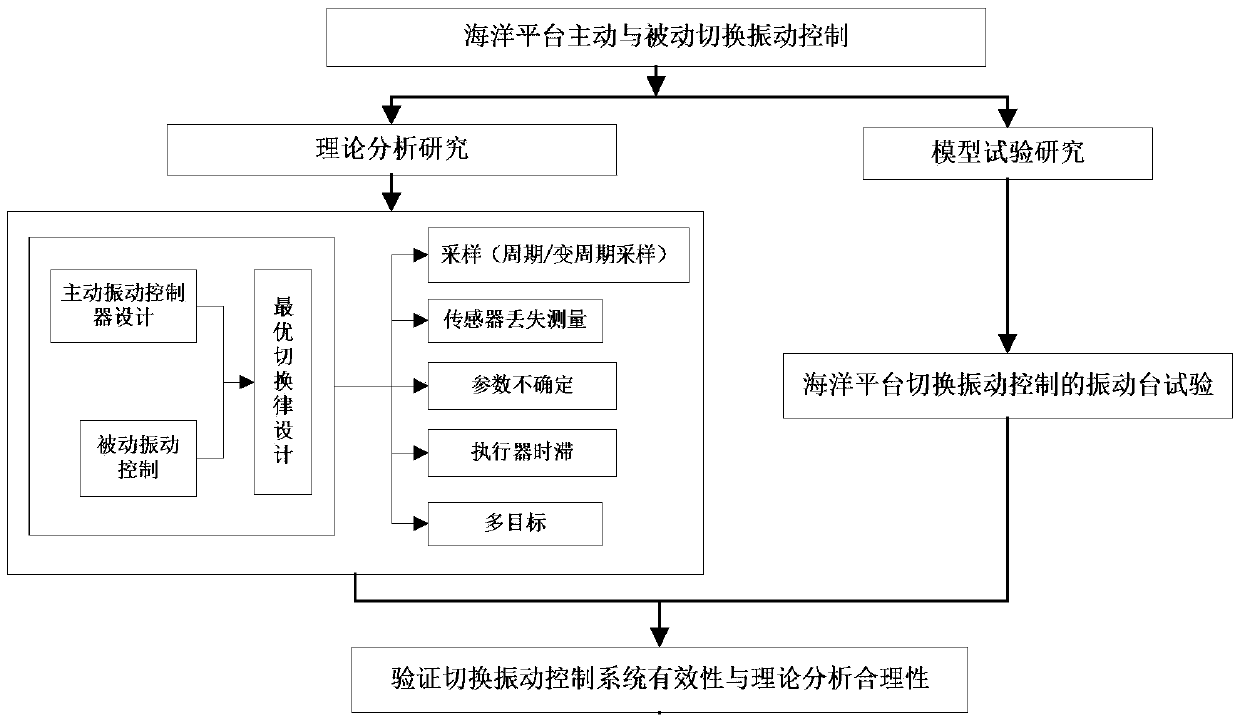
[0061] How to implement it will be described in detail below in conjunction with the accompanying drawings.
[0062] 1. Offshore platform vibration control system based on APTMD
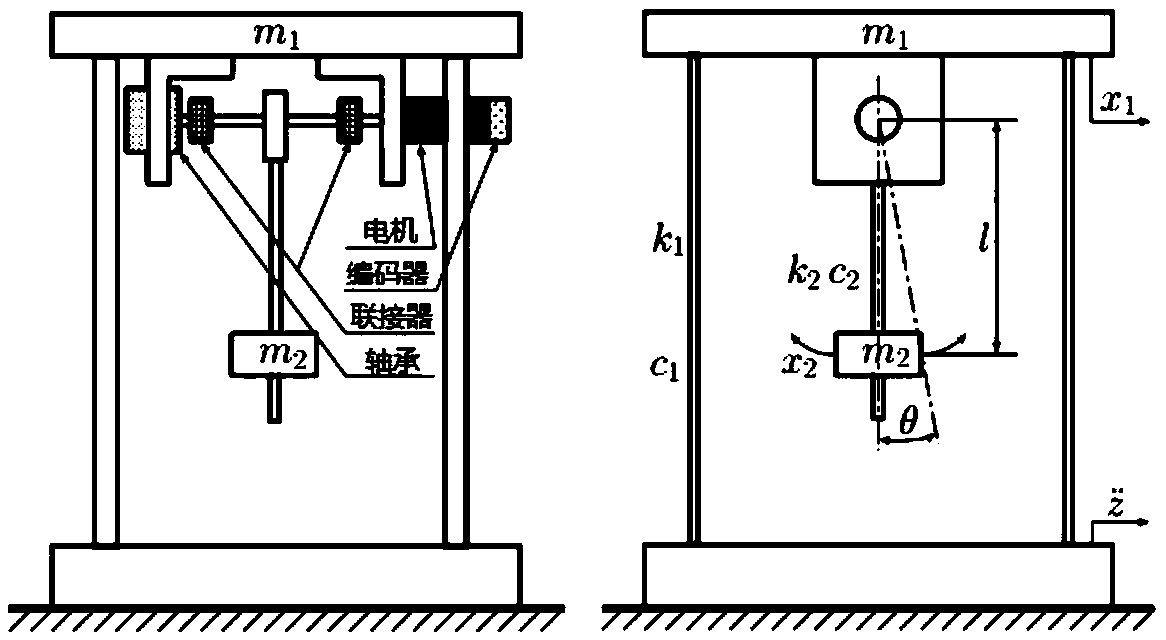
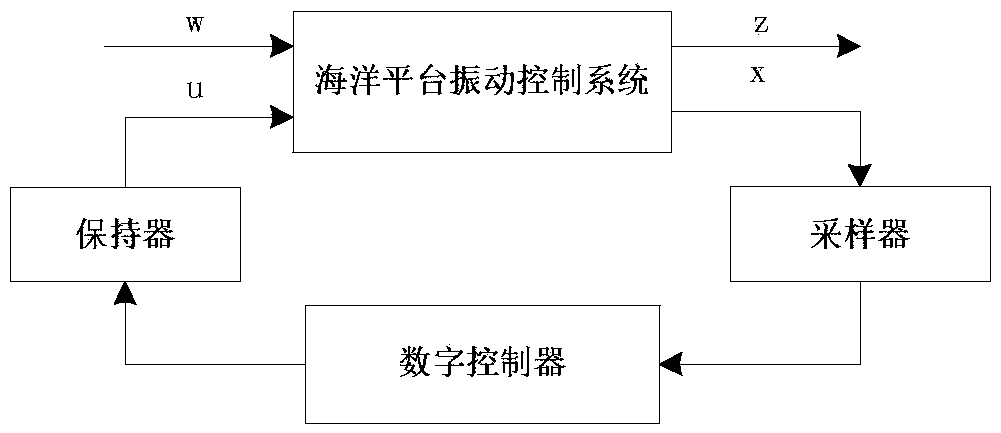
[0063] image 3 It is an APTMD-based offshore platform vibration control system, including active mass dampers and passive mass dampers, which exhibit different control performances. Active mass dampers have better vibration suppression effects on structural vibrations caused by wind and small earthquakes. Conversely, passive mass dampers are more effective for large earthquakes. Therefore, the active-passive composite tuned mass damper (APTMD) is used to control the vibration of the offshore platform, and a vibration control strategy for switching between AMD and TMD is proposed. The specific performance is: when there is an input to the actuator, this The APTMD control structure behaves as an AMD, and when the actuator input is zero it behaves as a TMD. Therefore, the switch between AMD and TMD ...
PUM
 Login to View More
 Abstract
Description
Claims
Application Information
 Login to View More