

A bismuth borate noncollinear double frequency crystal device
A frequency doubling crystal and non-collinear technology, applied in the field of optoelectronics, can solve the problems of complex devices, low conversion efficiency, and large losses
- Summary
- Abstract
- Description
- Claims
- Application Information
AI Technical Summary
Problems solved by technology
Method used
Image

Examples
Embodiment 1
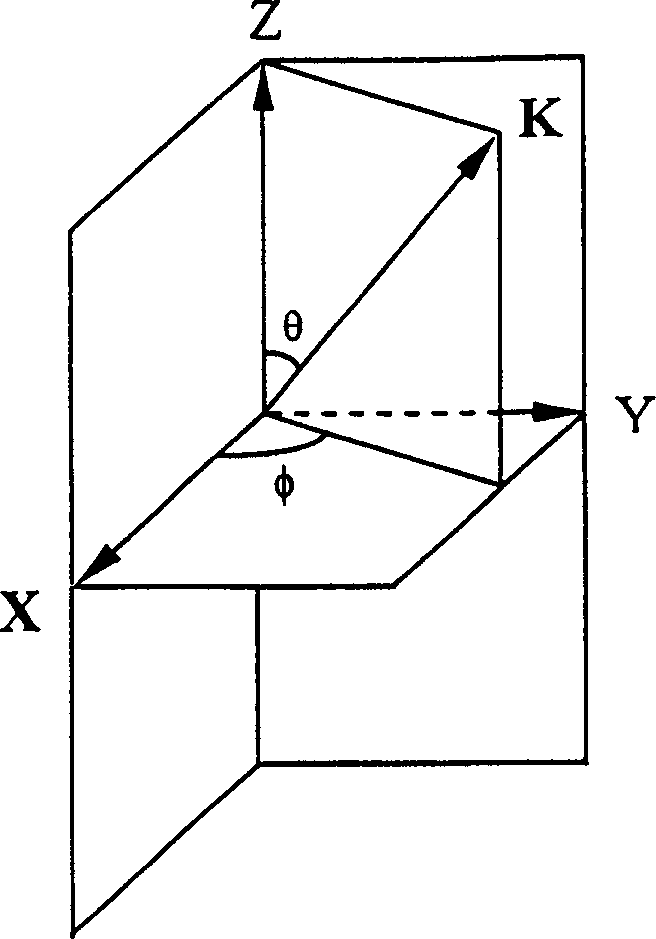
[0026] When the incident light wavelength of the bismuth borate crystal is 542nm, the exit surface of the crystal is processed along the Y axis, and the tangent angle of the incident surface is θ=90°, φ=90°, that is, it is tangent along the Y axis.
Embodiment 2
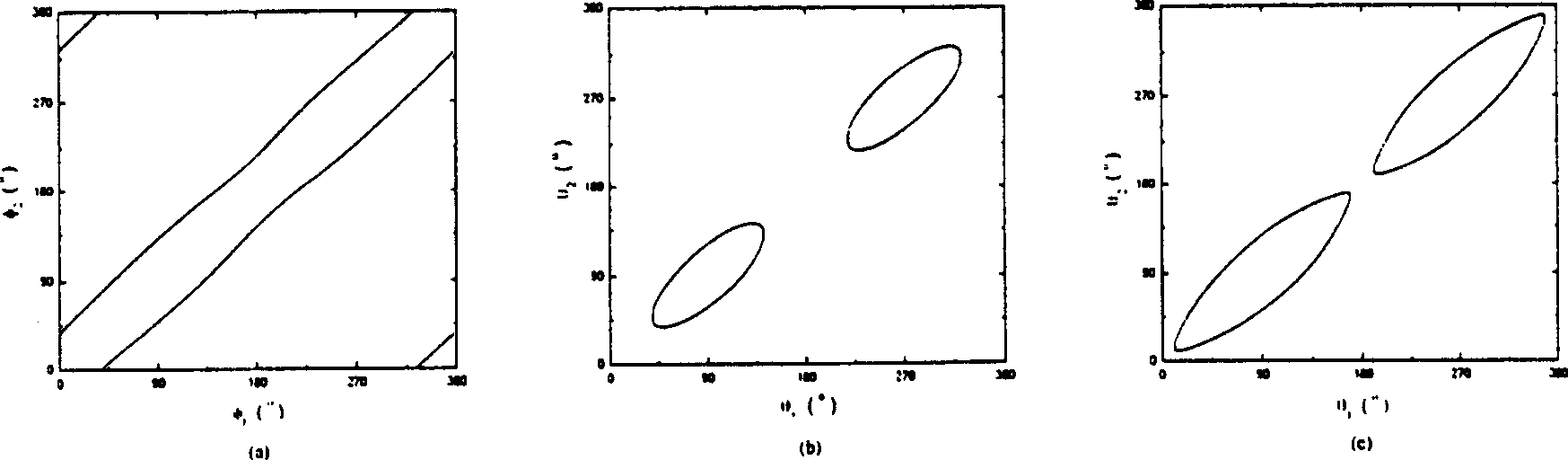
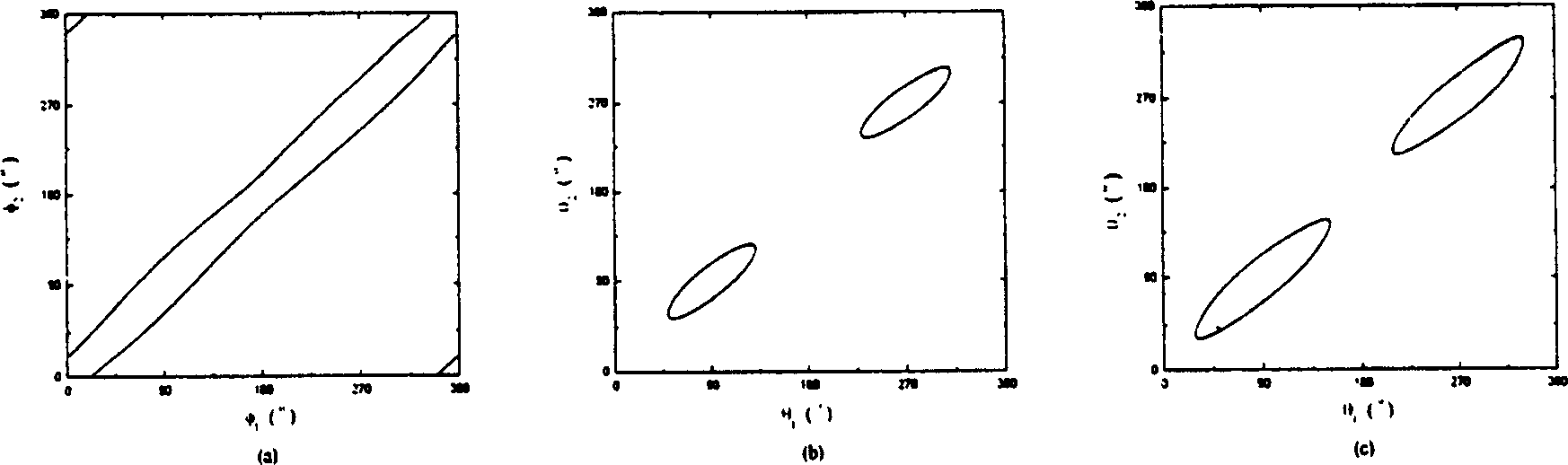
[0028] When the incident light wavelength of bismuth borate crystal is 660nm, the exit surface of the crystal is processed along the Y axis, and the cut angle of the incident surface is θ=75.2°±3° in the YOZ plane, and φ=74.1°±3° in the XOY plane.
Embodiment 3
[0030] When the incident light wavelength of bismuth borate crystal is 808nm, the exit surface of the crystal is processed along the Y axis, and the cut angle of the incident surface is θ=72°±3° in the YOZ plane, and φ=70.7°±3° in the XOY plane.
PUM
| Property | Measurement | Unit |
|---|---|---|
| conversion efficiency | aaaaa | aaaaa |
| conversion efficiency | aaaaa | aaaaa |
| conversion efficiency | aaaaa | aaaaa |
Abstract
Description
Claims
Application Information
 Login to View More