
Scintillating organic materials and methods for detecting neutron and gamma radiation
a scintillator and organic material technology, applied in radiation measurement, instruments, measurement devices, etc., can solve the problems of low cost, low efficiency, and inability to efficiently detect fast or thermal neutrons in the presence of background gamma rays, and achieve high viscosity, easy to contain, and high viscosity
- Summary
- Abstract
- Description
- Claims
- Application Information
AI Technical Summary
Benefits of technology
Problems solved by technology
Method used
Image

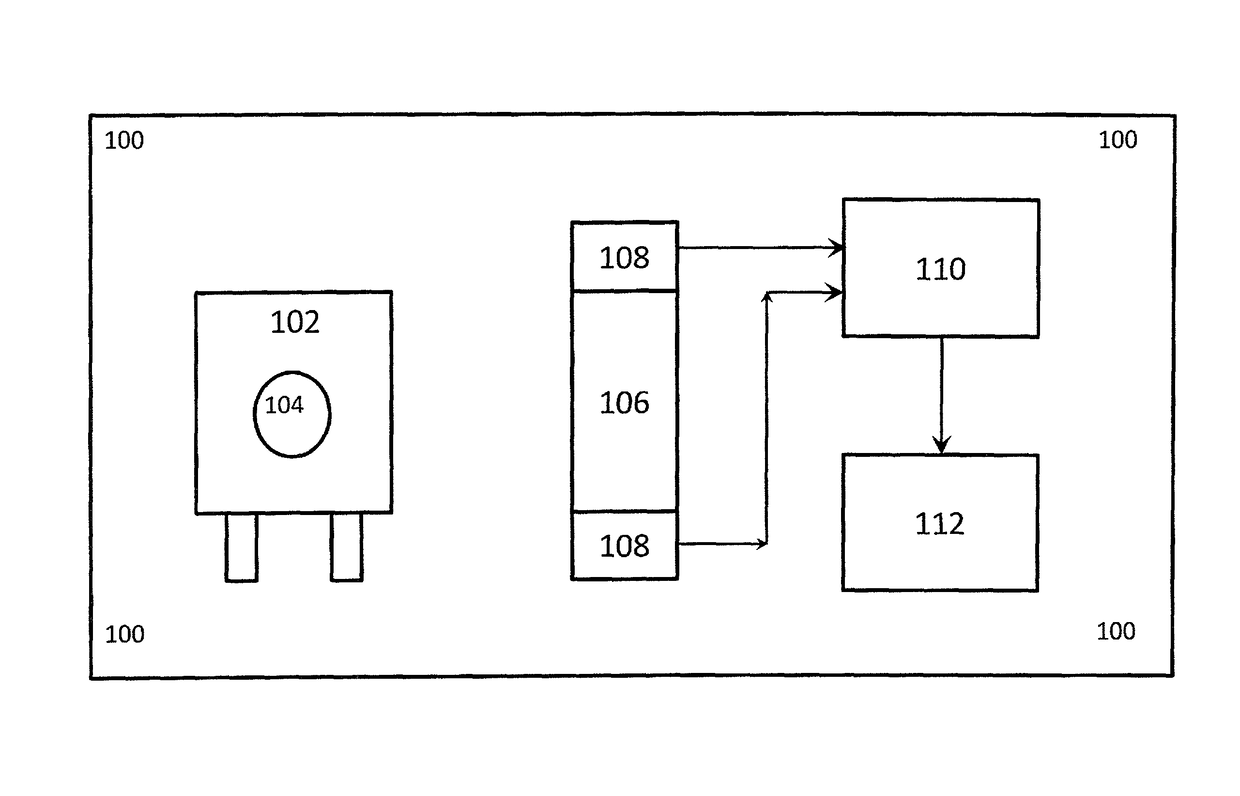
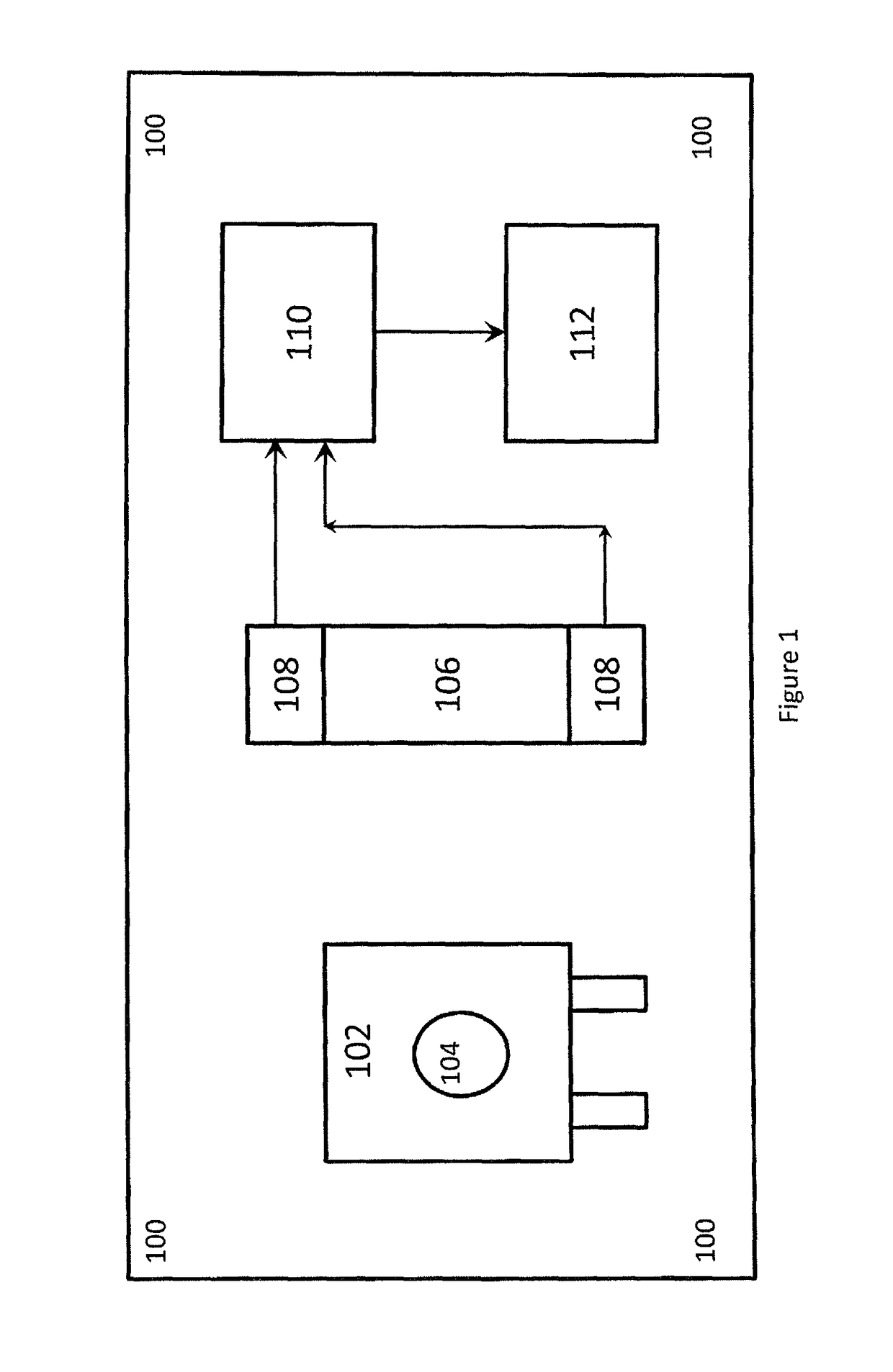
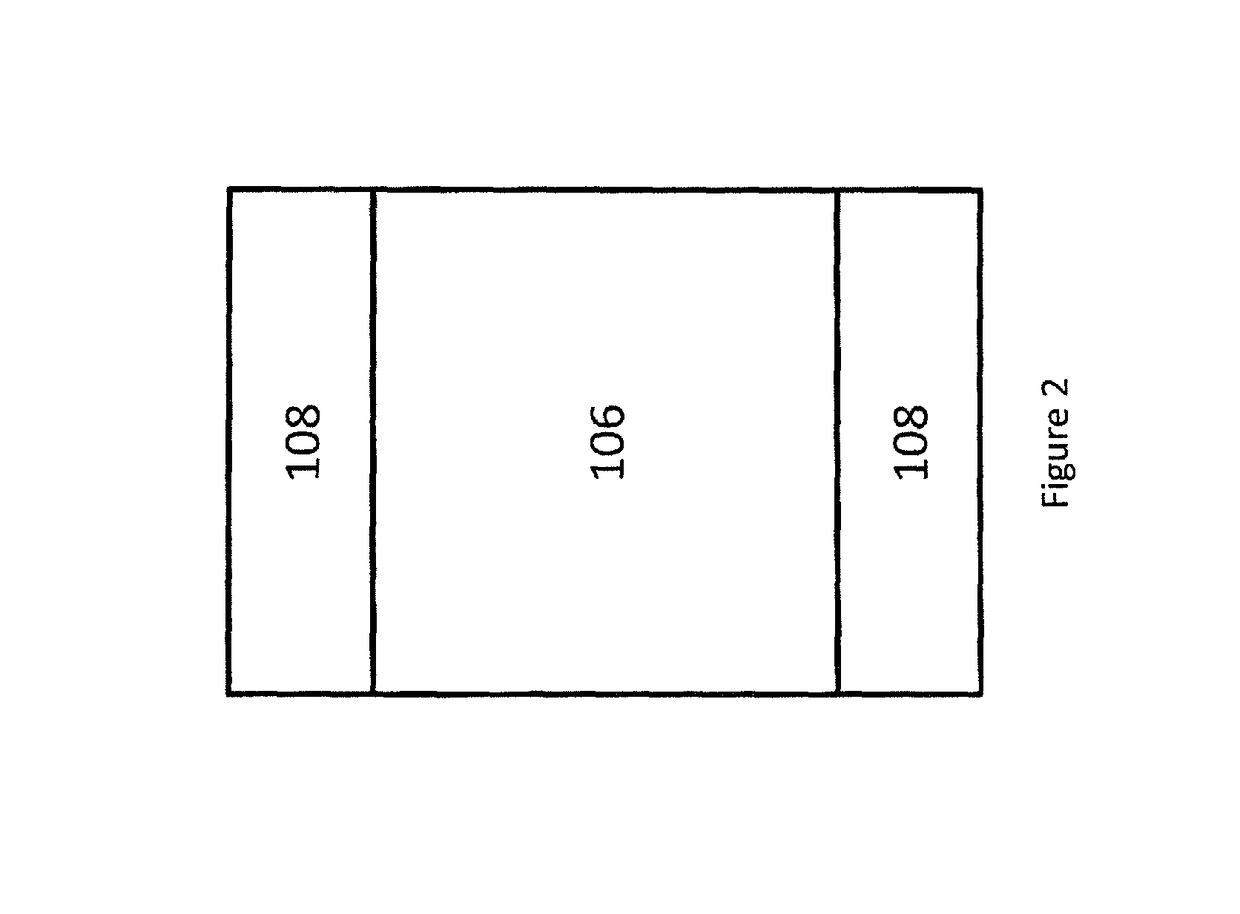
Examples
embodiment 1
[0092] A scintillation system for detecting incident radiation, comprising:
[0093]a scintillator composition, wherein the scintillator composition comprises:[0094]a matrix material;[0095]base fluorescent dye molecules dissolved in the matrix material, wherein the matrix material with the base fluorescent dye molecules dissolved therein comprises base chromophores, wherein the base chromophores have a base chromophore average nearest neighbor distance in the range 0.5 to 12 Angstroms, wherein the base chromophores produce base scintillation light upon excitation, wherein the base scintillation has a base peak wavelength, wherein the base scintillation light has a base prompt time component and a base delayed time component, wherein an intensity of the base prompt time component and an intensity of the base delayed time component provide information so as to allow distinguishing between base scintillation light created by fast neutrons and base scintillation light created by gamma rays...
embodiment 13
[0112] The scintillation system according to any of embodiments 1 to 4, and 45-53, wherein the matrix material is sufficiently transparent to base scintillation light such that an attenuation length of the base scintillation light at the base peak wavelength is at least 1.0 m.
embodiment 14
[0113] The scintillation system according to any of embodiments 1 to 4, and 45-53, wherein the matrix material is sufficiently transparent to base scintillation light such that an attenuation length of the base scintillation light at the base peak wavelength is at least 1.5 m.
PUM
 Login to View More
 Abstract
Description
Claims
Application Information
 Login to View More