
Immobilized catalyst for purifying cyclosiloxane
An immobilized catalyst, cyclosiloxane technology, applied in physical/chemical process catalysts, organic compound/hydride/coordination complex catalysts, solid adsorbent liquid separation, etc. Siloxane removal method and other issues, to achieve the effect of increased contact time and area, good affinity adsorption, and efficient selective adsorption
Patent Information
- Authority / Receiving Office
- CN · China
- Patent Type
- Applications(China)
- Current Assignee / Owner
- Publication Date
- 2021-10-22
Smart Images
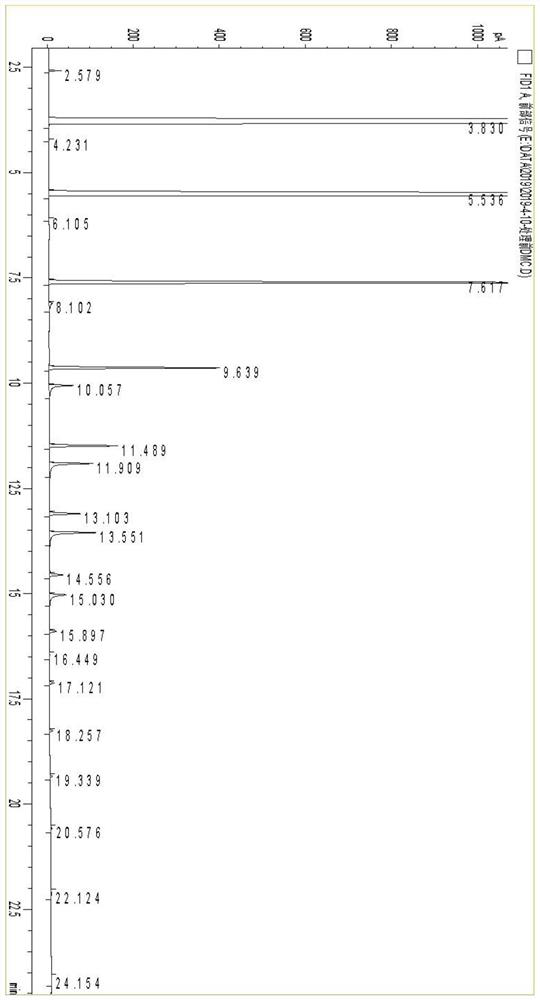
Figure 1 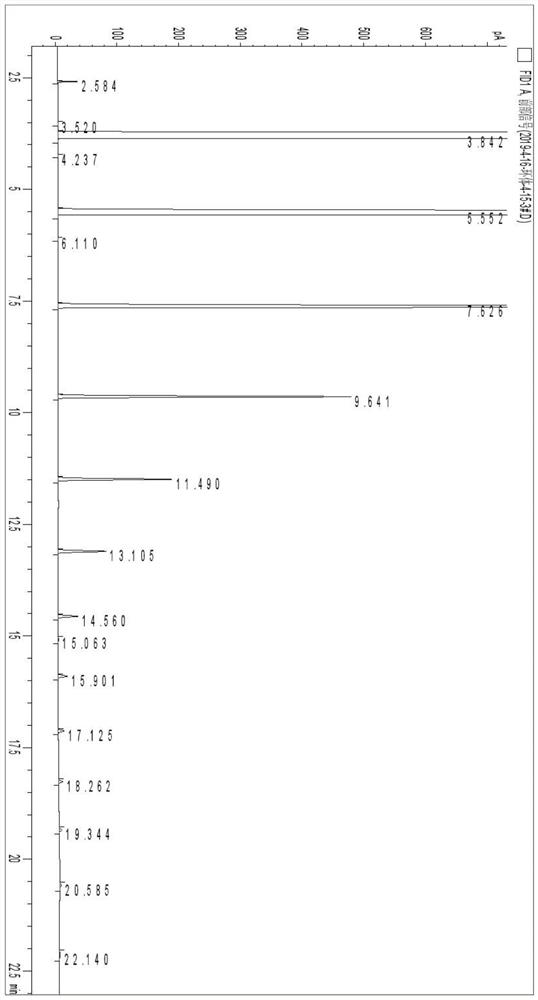
Figure 2 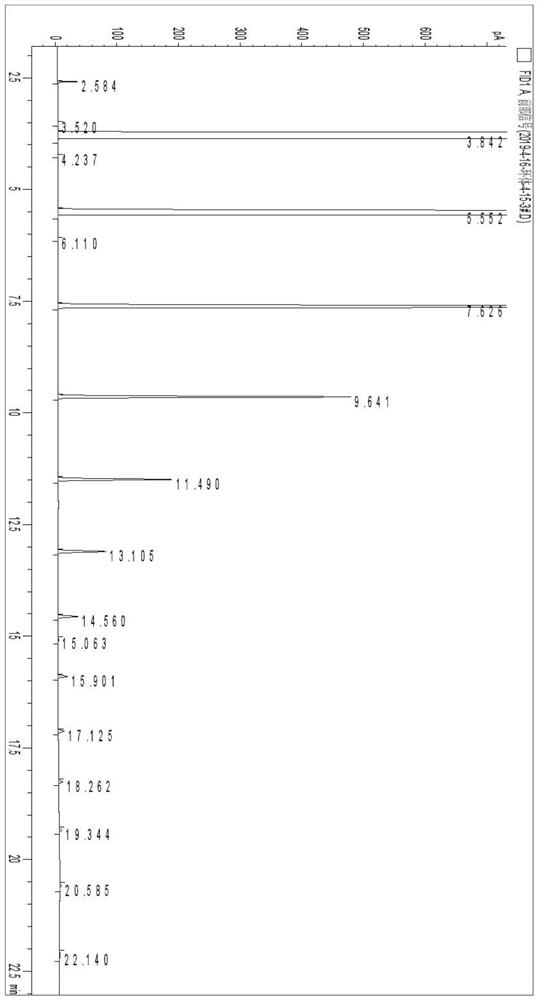
Figure 3
Abstract
Description
technical field
[0001] The invention belongs to the field of organosilicon ring body treatment, and in particular relates to a solid-carrying catalyst for purifying cyclosiloxane. Background technique
[0002] Cyclosiloxane has a main chain in which silicon atoms and oxygen atoms are alternately arranged, and organic groups are attached to the silicon atoms. This structure endows them with unique properties, such as high and low temperature resistance, weather resistance, aging resistance, electrical insulation, and ozone resistance. , Hydrophobic, physiologically inert, etc., which are unmatched by other organic polymers. Therefore, cyclosiloxane has been widely used in aerospace, electronic appliances, chemical industry, machinery, construction, transportation, medical and health, agriculture, etc., and has become an irreplaceable new polymer material in the national economy." In the above industries, The specific uses of cyclosiloxane include: stabilization of polyuretha...
Examples
preparation example 1
[0045] The preparation method of modified organic divalent metal 1 is as follows: in a 500ml three-necked bottle, mix 50mmol of monobutyltin oxide and 200mmol of hexanoic acid, stir at 100°C for 3h and use a water separator to remove the generated water in time Separation, and then filtered while hot to obtain the modified organic divalent metal 1.
preparation example 2
[0047]The preparation method of the modified organic divalent metal 2 is as follows: in a 500ml three-necked bottle, mix 50mmol of monotetradecyl zinc oxide and 220mmol of octanoic acid, stir at 120°C for 3h and use a water separator to separate the resulting water Separated in time, and then filtered while hot to obtain the modified organic divalent metal 2.
preparation example 3
[0049] The preparation method of the modified organic divalent metal 3 is as follows: in a 500ml three-necked bottle, mix 50mmol of monooctyltin oxide and 210mol of dodecanoic acid, stir at 110°C for 3h and use a water separator to separate the resulting water Separated in time, and then filtered while hot to obtain the modified organic divalent metal 3.