
Positive electrode active material for non-aqueous electrolyte-based secondary battery and non-aqueous electrolyte-based secondary battery using the same
Patent Information
- Authority / Receiving Office
- US · United States
- Current Assignee / Owner
- Publication Date
- 2007-10-04
Smart Images
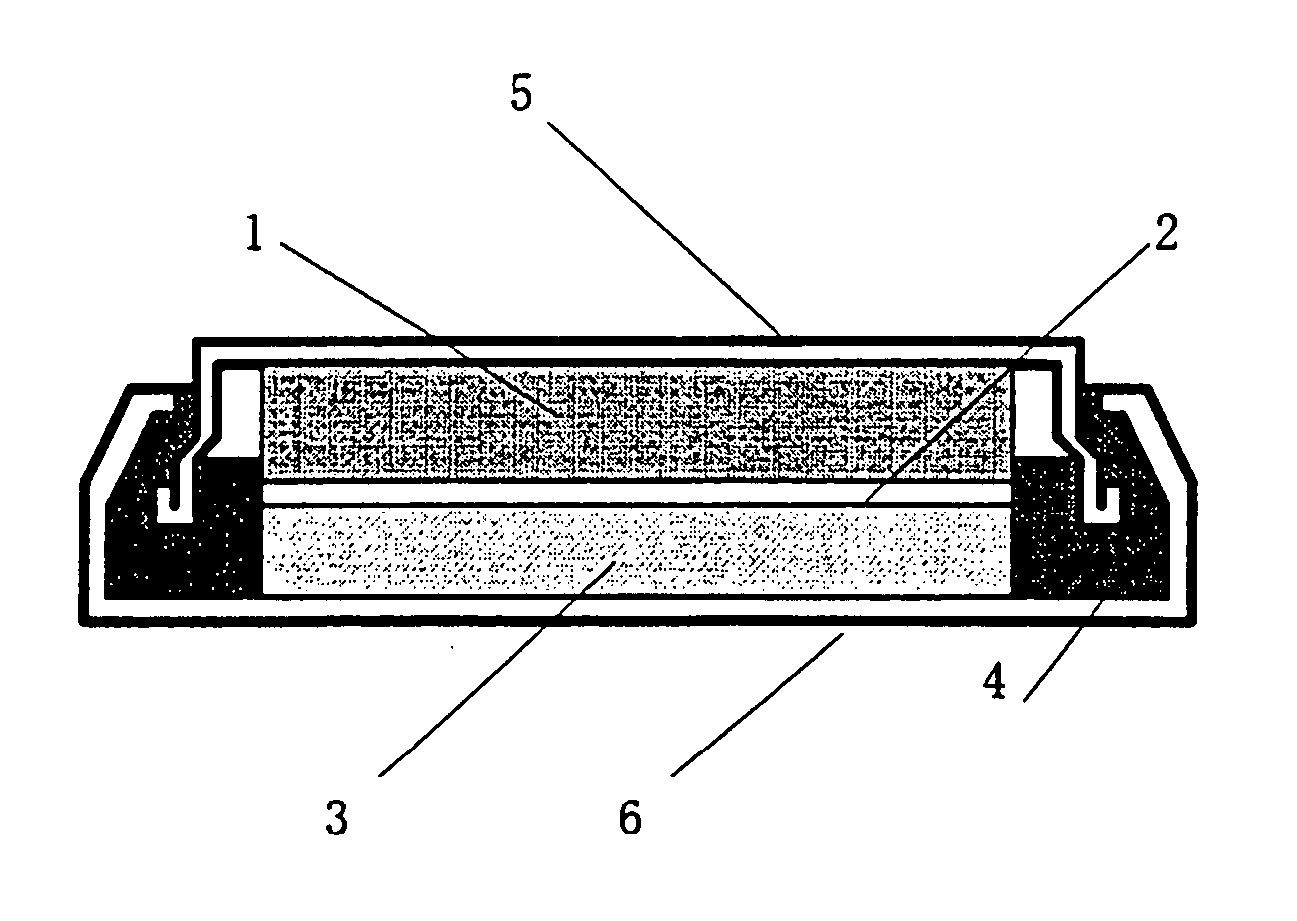
Figure 1 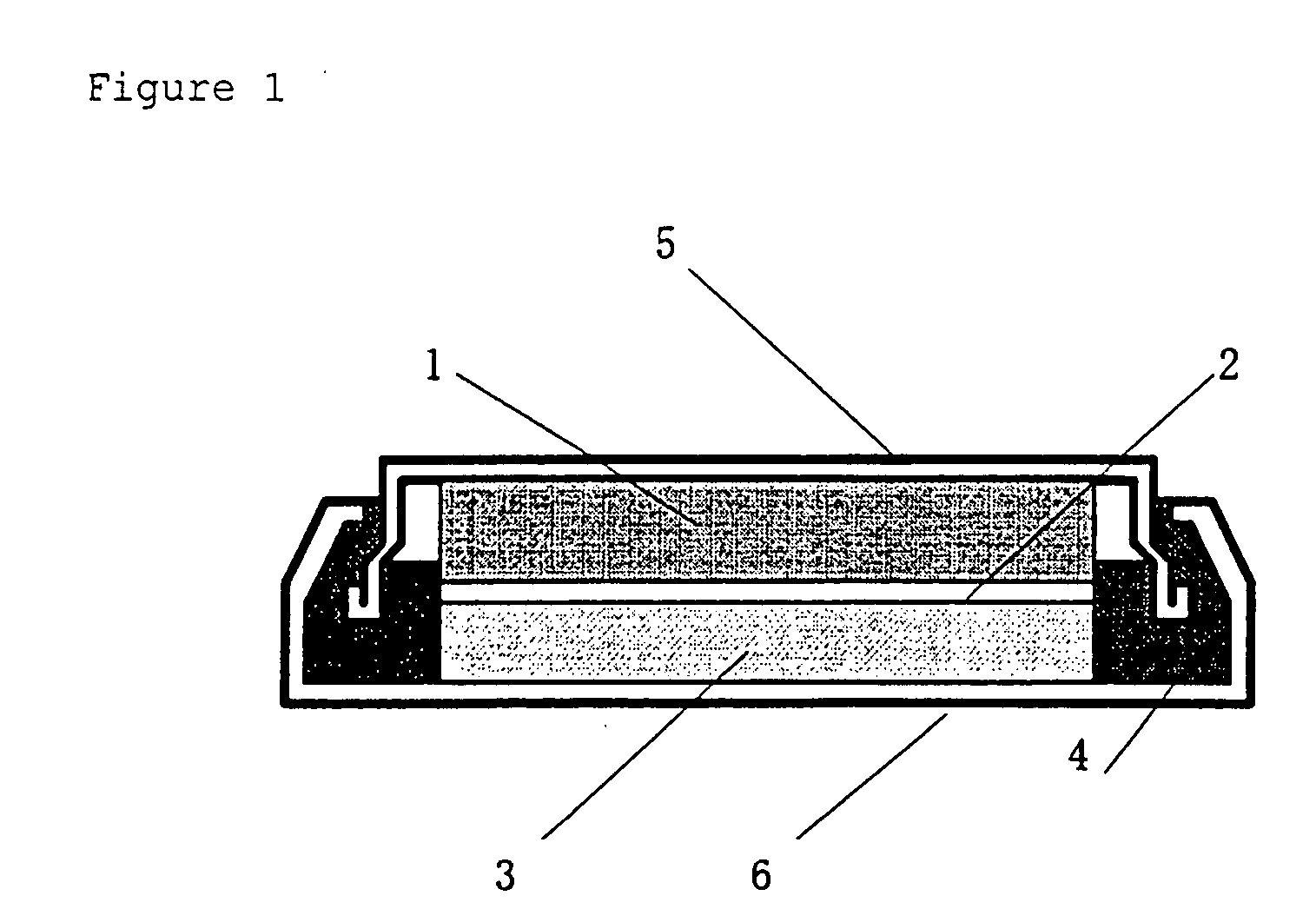
Figure 2
Abstract
Description
BACKGROUND OF THE INVENTION
[0001] 1. Field of the Invention
[0002] The present invention relates to a positive electrode active material for a non-aqueous electrolyte-based secondary battery and a non-aqueous electrolyte-based secondary battery using the same, and more specifically relates to a positive electrode active material for a non-aqueous electrolyte-based secondary battery, composed of a lithium / nickel composite oxide with high capacity, low cost and excellent heat stability, and a non-aqueous electrolyte-based secondary battery, having high capacity and high safety, using the same.
[0003] 2. Description of the Prior Art
[0004] Recently, with rapid expansion of a compact sized electronics device such as a mobile phone and a notebook-type personal computer, demand of a non-aqueous electrolyte-based secondary battery has rapidly growing, as a power source which is capable of charging and discharging. As a positive electrode active material for a non-aqueous electrolyte-based...
Examples
example 1
[0088] By a series of the steps composed of the step for preparation of a nickel oxide having a specified composition, the step for preparation of fired powders having a specified composition, and the step for drying the resultant fired powders after water washing processing, a positive electrode active material composed of a lithium / nickel composite oxide was produced, and specific surface area thereof was determined. Furthermore, a coin battery using this positive electrode active material as a positive electrode material was prepared, and initial discharge capacity and DSC heat generation amount thereof were evaluated. In this connection, each raw material was weighed so that each of metal components of the lithium / nickel composite oxide, as the final product, became Ni:Co:Al:Li=0.82:0.15:0.03:1.02.
(1) The Step for Preparation of a Nickel Oxide
[0089] First of all, nickel sulfate hexahydrate (product of Wako Pure Chemical Ind., Ltd.), cobalt sulfate heptahydrate (product of Wak...
example 2
[0097] A lithium / nickel composite oxide was produced similarly as in Example 1, except that roasting temperature of nickel hydroxide was changed to 900° C. in the step of preparation of the nickel oxide; composition and specific surface area of the resultant powders, along with initial discharge capacity and DSC heat generation amount of the battery were measured and the results are shown in Tables 1 and 2, respectively.
example 3
[0098] A lithium / nickel composite oxide was produced similarly as in Example 1, except that roasting temperature of nickel hydroxide was changed to 1100° C. in the step of preparation of the nickel oxide; composition and specific surface area of the resultant powders, along with initial discharge capacity and DSC heat generation amount of the battery were measured and the results are shown in Tables 1 and 2, respectively.