
Yttrium fluoride sprayed coating, spray material therefor, and corrosion resistant coating including sprayed coating
a technology of yttrium fluoride and spray coating, applied in the direction of molten spray coating, superimposed coating process, coating, etc., can solve the problems of high working cost and dusting, corrosion to proceed from the surface, and ceramic members, so as to enhance the effect of suppressing acid penetration, reduce the generation of particles, and excellent corrosion resistan
Patent Information
- Authority / Receiving Office
- US · United States
- Patent Type
- Applications(United States)
- Current Assignee / Owner
- Publication Date
- 2021-03-18
Smart Images
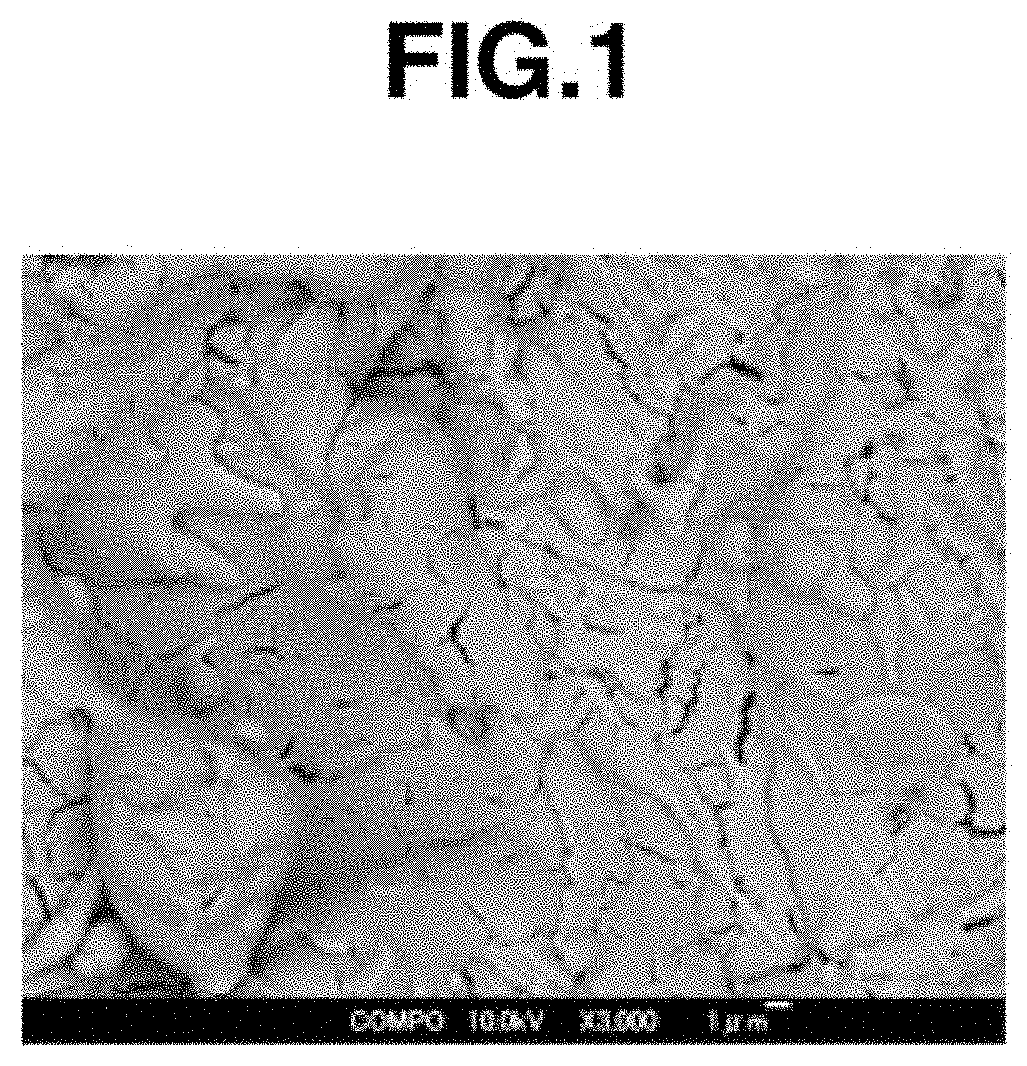
Figure 1 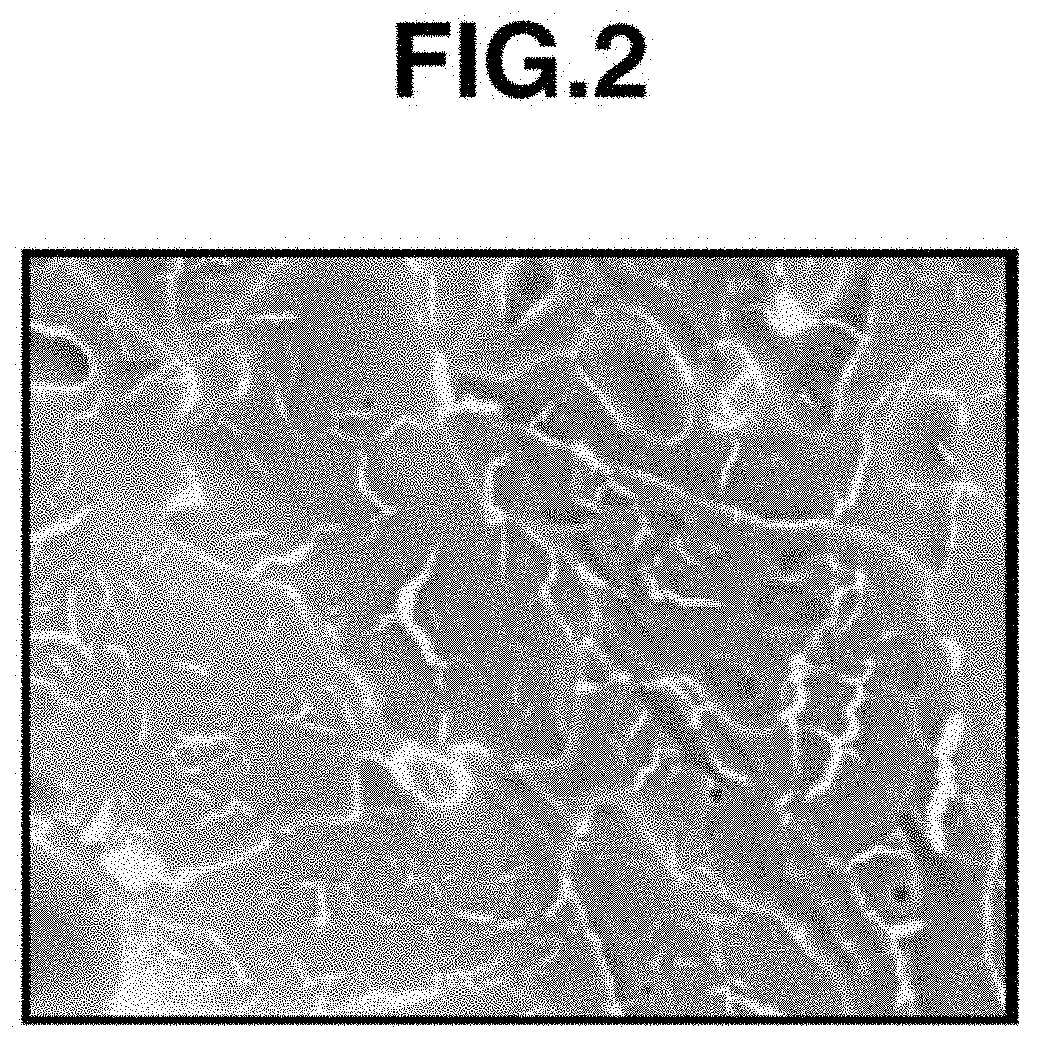
Figure 2 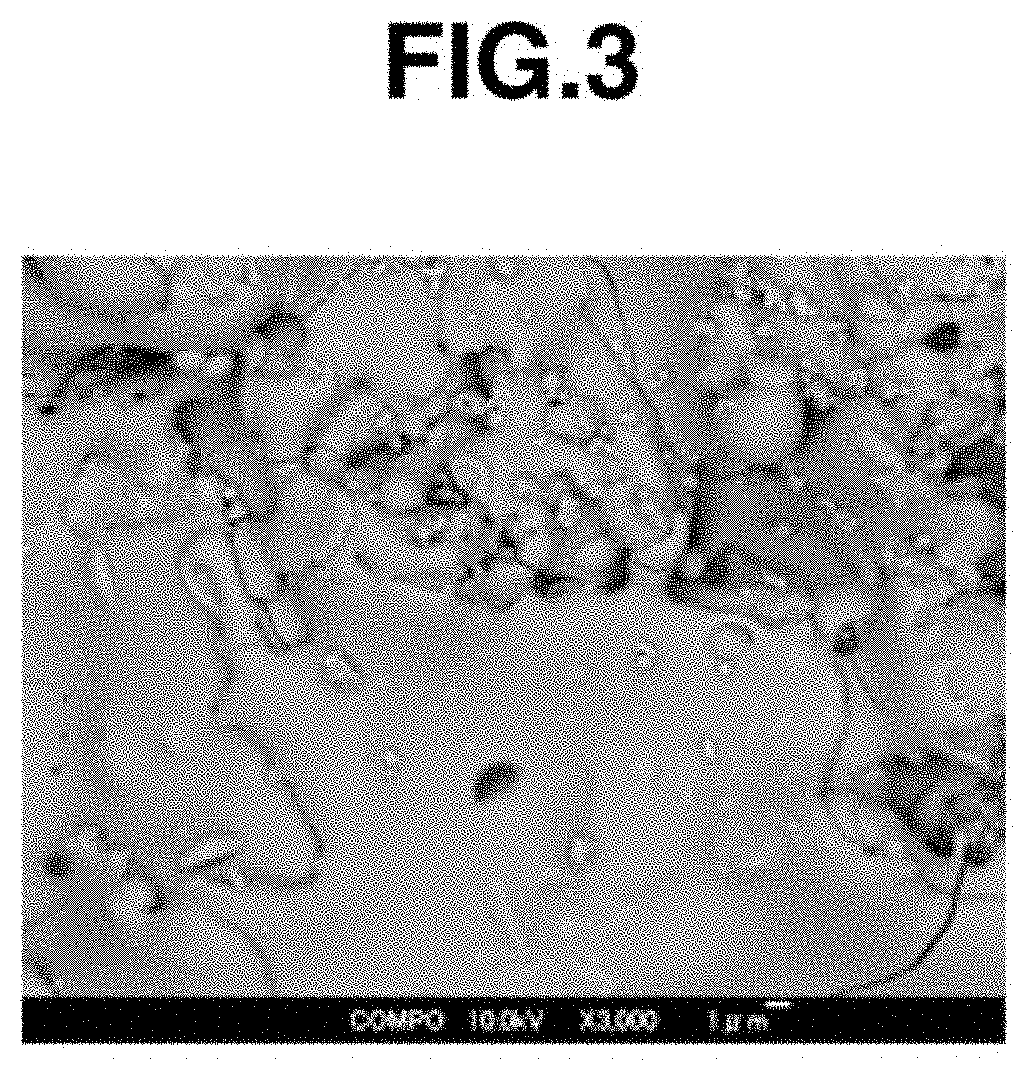
Figure 3
Abstract
Description
CROSS-REFERENCE TO RELATED APPLICATION
[0001] This application claims divisional status from U.S. application Ser. No. 15 / 479,451 filed Apr. 5, 2017, which in turn claims priority to Patent Application No. 2016-079258 filed in Japan on Apr. 12, 2016, the entire contents of which are hereby incorporated by reference.TECHNICAL FIELD
[0002] This invention relates to an yttrium fluoride sprayed coating suited for use as a low-dusting corrosion resistant coating on parts which are exposed to a corrosive plasma atmosphere such as a corrosive halogen-base gas in the processes for manufacturing semiconductor, liquid crystal, organic EL and inorganic EL devices, and a corrosion resistant coating of a multilayer structure including the yttrium fluoride sprayed coating.BACKGROUND ART
[0003] In the prior art process for fabricating semiconductor devices, a dielectric film etching system, gate etching system, CVD system and the like are used. Since the high-integration technology involving the micropa...
Examples
example 1
[0058]A 6061 aluminum alloy substrate of 20 mm squares and 5 mm thick was degreased on their surfaces with acetone and roughened on one surface with corundum abrasive grains. On the roughened surface of the substrate, an yttrium oxide sprayed coating of 100 μm thick was deposited as the lower layer by using an atmospheric plasma spraying system, yttrium oxide powder (single angular particles) having an average particle size (D50) of 8 μm, and argon and hydrogen gases as the plasma gas, and operating the system at a power of 40 kW, a spray distance of 100 mm, and a buildup of 30 μm / pass. On image analysis, the lower layer had a porosity of 3.2%. The porosity measuring method is the same as the measurement of a porosity of a surface layer to be described below.
[0059]Separately, a spray powder (spray material) was prepared by mixing 95 wt % of yttrium fluoride powder A having an average particle size (D50) of 1 μm with 5 wt % of yttrium oxide powder B having an average particle size (D...
example 2
[0067]A 6061 aluminum alloy substrate of 20 mm squares and 5 mm thick was degreased on their surfaces with acetone and roughened on one surface with corundum abrasive grains. On the roughened surface of the substrate, an yttrium oxide sprayed coating of 100 μm thick was deposited as the lower layer by using an atmospheric plasma spraying system, yttrium oxide powder (granulated powder) having an average particle size (D50) of 20 μm, and argon and hydrogen gases as the plasma gas, and operating the system at a power of 40 kW, a spray distance of 100 mm, and a buildup of 30 μm / pass. On image analysis as in Example 1, the lower layer had a porosity of 2.8%.
[0068]Separately, a spray powder (spray material) was prepared by mixing 90 wt % of yttrium fluoride powder A having an average particle size (D50) of 1.7 μm with 10 wt % of yttrium oxide powder B having an average particle size (D50) of 0.3 μm, granulating the mixture by spray drying, and firing at 800° C. in a nitrogen gas atmosphe...
example 3
[0070]An alumina ceramic substrate of 20 mm squares and 5 mm thick was degreased on their surfaces with acetone and roughened on one surface with corundum abrasive grains. On the roughened surface of the substrate, an yttrium oxide sprayed coating of 100 μm thick was deposited as the lower layer by using a detonation spraying system, yttrium oxide powder having an average particle size (D50) of 30 μm, and oxygen and ethylene gases, and operating the system at a spray distance of 100 mm and a buildup of 15 μm / pass. On image analysis as in Example 1, the lower layer had a porosity of 1.8%.
[0071]Separately, a spray powder (spray material) was prepared by mixing 85 wt % of yttrium fluoride powder A having an average particle size (D50) of 1.4 μm with 15 wt % of yttrium oxide powder B having an average particle size (D50) of 0.5 μm on a ball mill, and firing at 800° C. in a nitrogen gas atmosphere. The spray powder thus obtained was measured for an average particle size (D50), with the r...