
Ducted air conditioner and control method thereof
An air conditioner and duct-type technology, which is applied in the field of duct-type air conditioners and their control, can solve the problems of loss of air volume, unfavorable long-distance transportation of air, and increase of air flow resistance.
Patent Information
- Authority / Receiving Office
- CN · China
- Patent Type
- Patents(China)
- Current Assignee / Owner
- Publication Date
- 2021-09-14
Smart Images
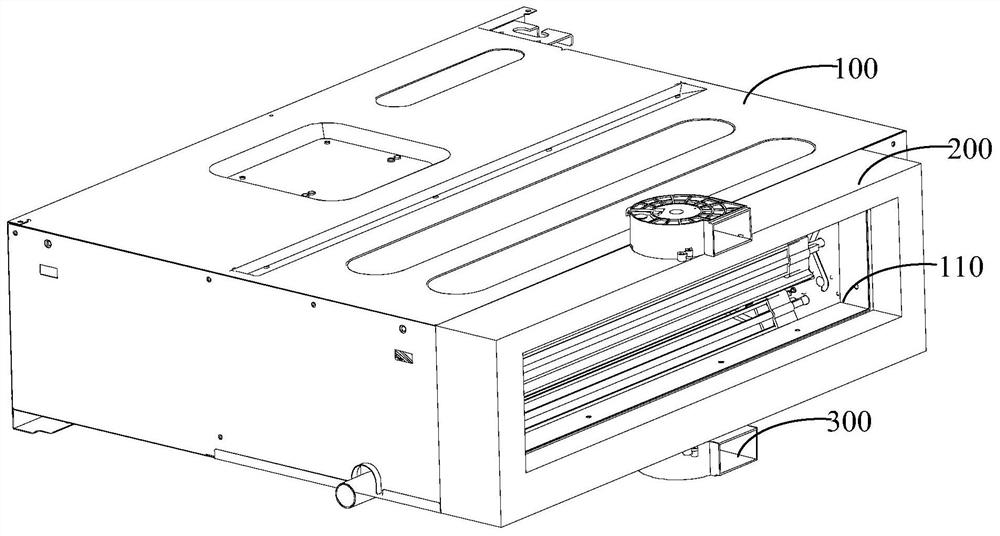
Figure 1 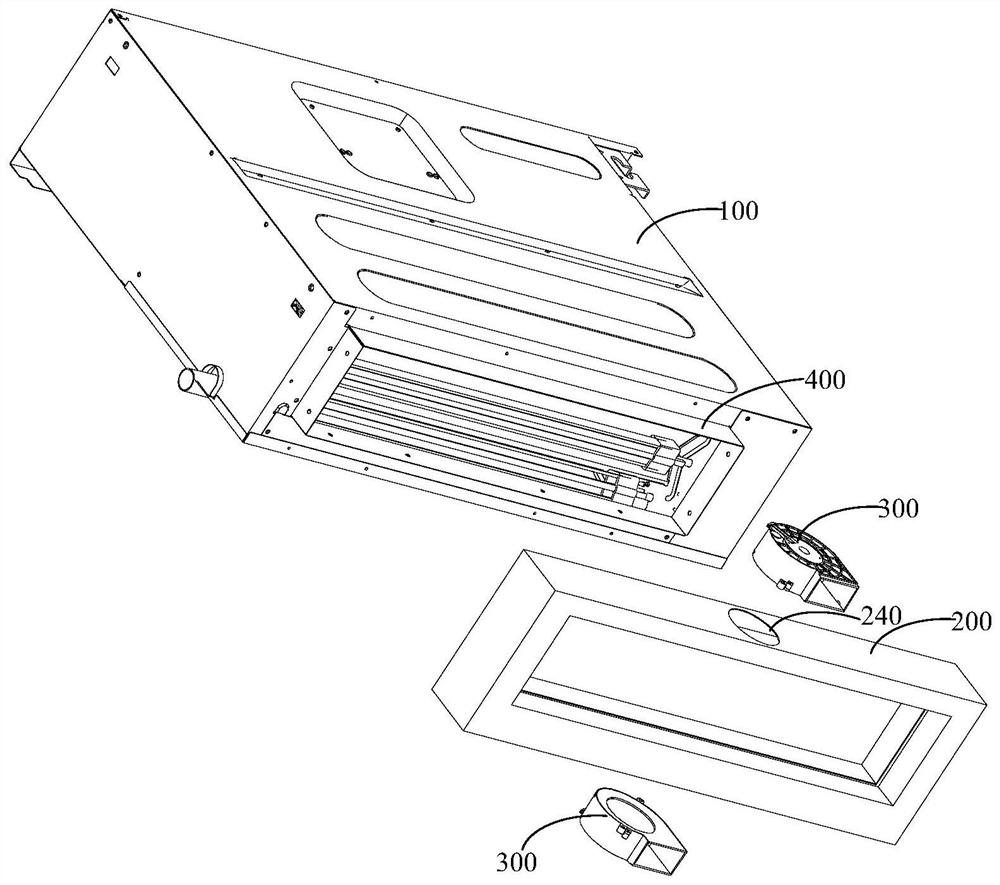
Figure 2 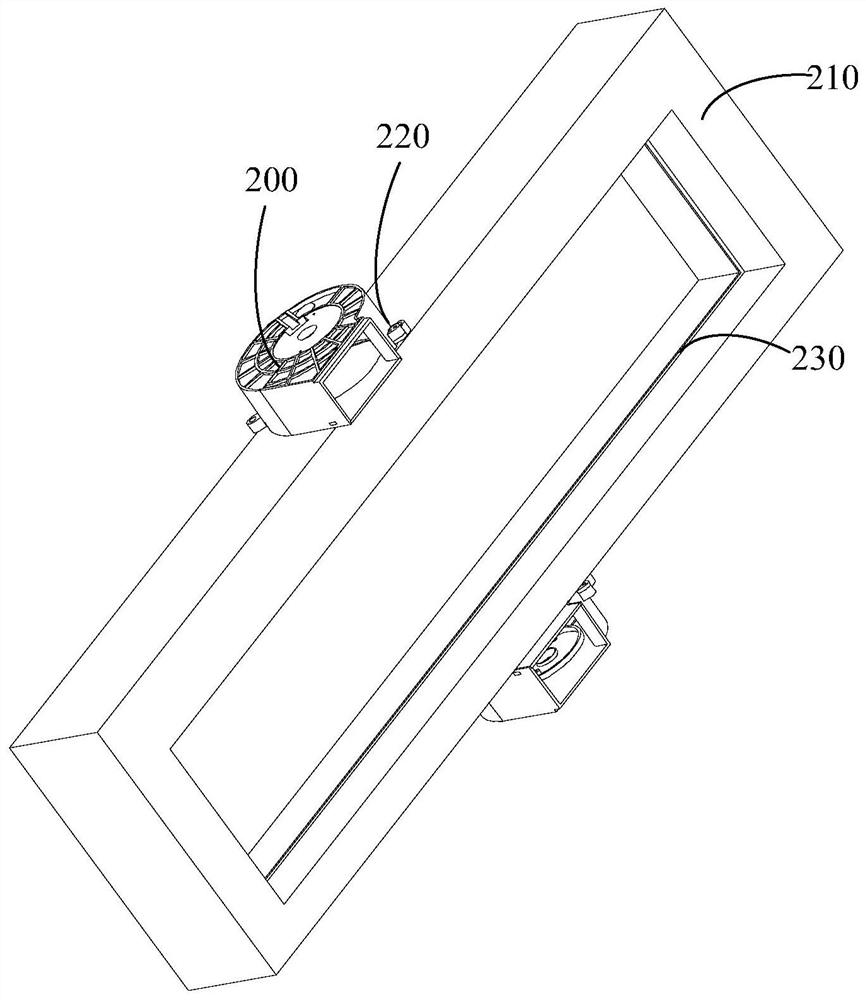
Figure 3
Abstract
Description
technical field
[0001] The invention relates to the technical field of air conditioning, in particular to an air duct type air conditioner and a control method thereof. Background technique
[0002] In order to send the wind to the area designated by the user accurately, the existing air conditioners are all provided with air deflectors. The wind deflector is set at an angle between its surface and the flow direction of the wind to forcibly change the flow direction of the wind. Due to the existence of the wind deflector, the resistance of the wind flow is increased, the air volume is lost, and it is not conducive to the long-distance transmission of the wind. Contents of the invention
[0003] The main purpose of the present invention is to provide an air duct type air conditioner, aiming at reducing the resistance of wind flow, so as to increase the air velocity and volume of air supplied by the air conditioner.
[0004] In order to achieve the above object, the ducted...
Examples
Embodiment Construction
[0034] The following will clearly and completely describe the technical solutions in the embodiments of the present invention with reference to the accompanying drawings in the embodiments of the present invention. Obviously, the described embodiments are only part of the embodiments of the present invention, not all of them. Based on the embodiments of the present invention, all other embodiments obtained by persons of ordinary skill in the art without creative efforts fall within the protection scope of the present invention.
[0035] It should be noted that all directional indications (such as up, down, left, right, front, back...) in the embodiments of the present invention are only used to explain the relationship between the components in a certain posture (as shown in the accompanying drawings). Relative positional relationship, movement conditions, etc., if the specific posture changes, the directional indication will also change accordingly.
[0036] In addition, the ...