
Hanging type horizontal moving device
A horizontal moving device, hanging technology, applied in washing devices, other drying devices, textiles and papermaking, etc., can solve the problem of poor safety performance, no human or animal protection, poor space utilization, etc. problems, to avoid manual operation, reduce labor intensity, and improve utilization.
Patent Information
- Authority / Receiving Office
- CN · China
- Current Assignee / Owner
- Publication Date
- 2019-04-09
- Estimated Expiration
- Not applicable · inactive patent
Smart Images
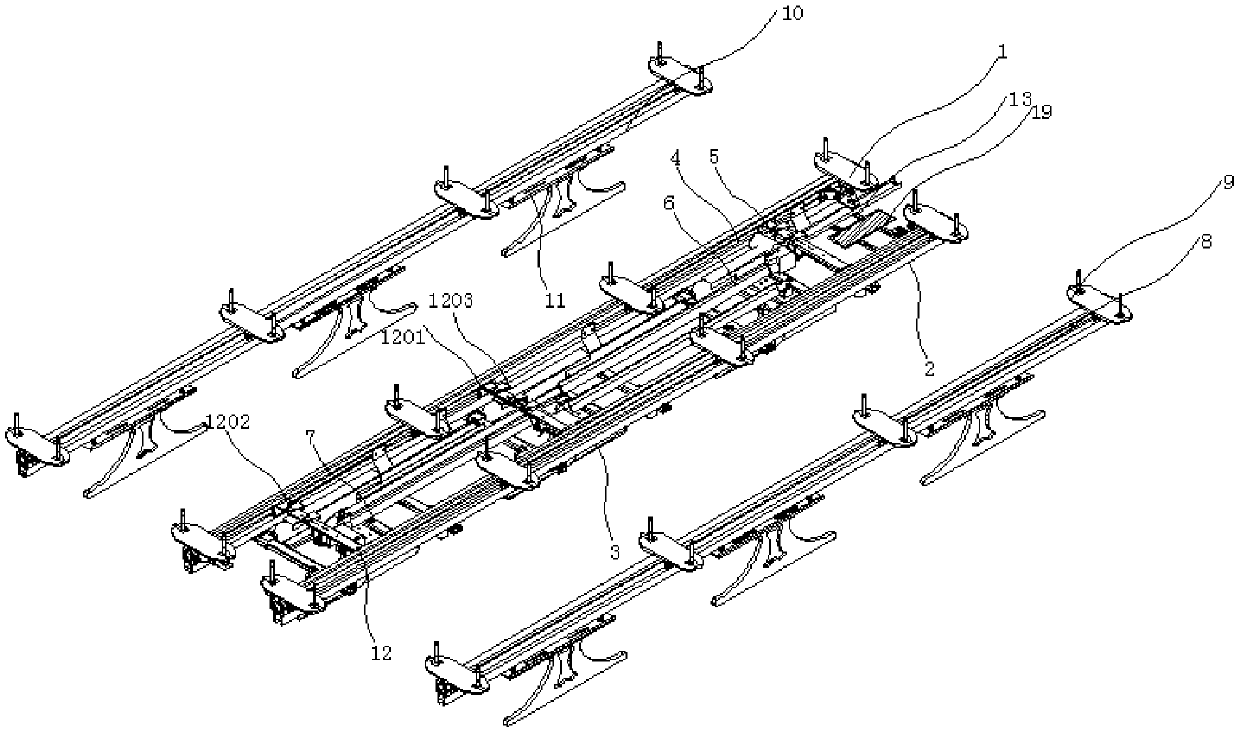
Figure 1 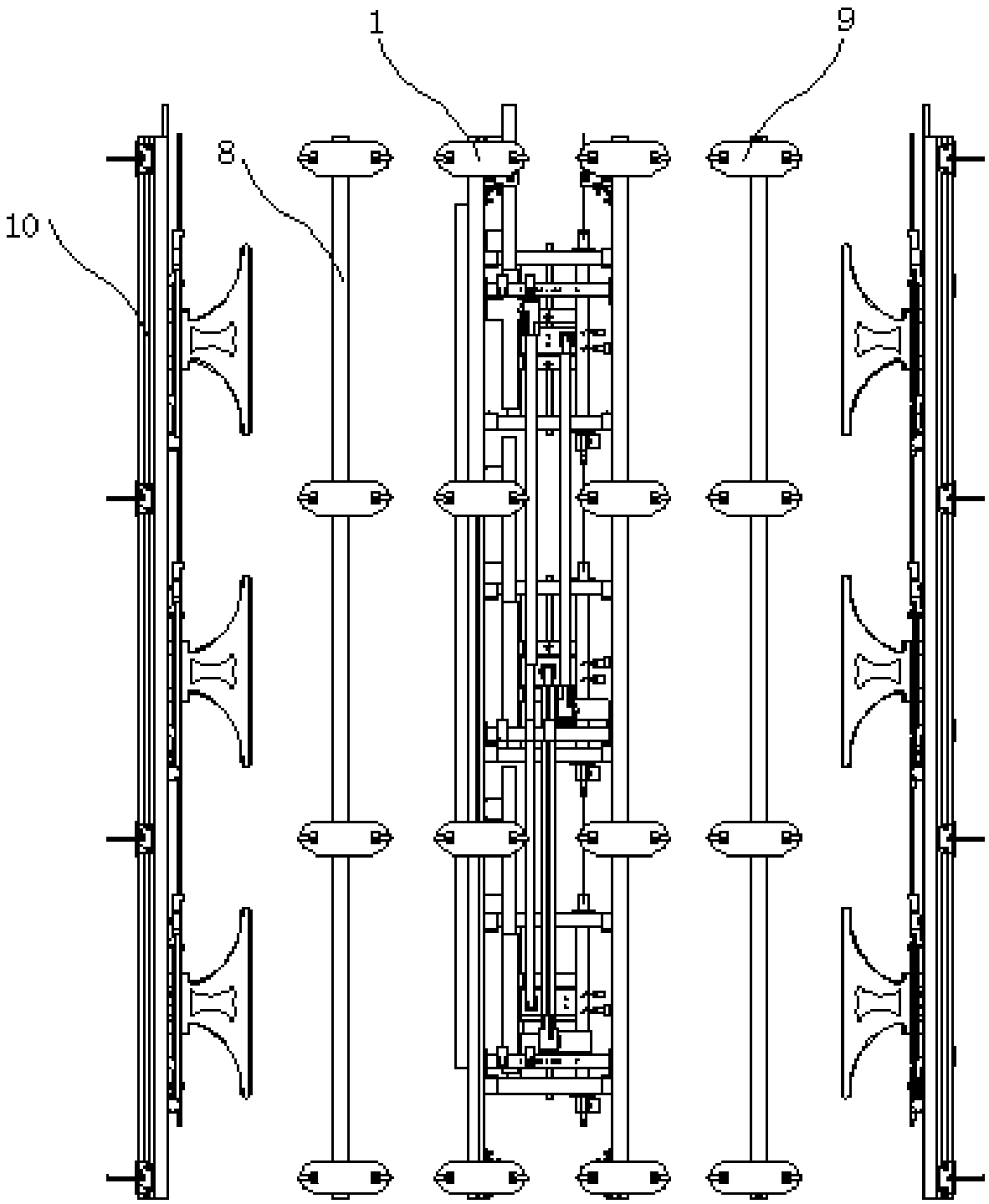
Figure 2 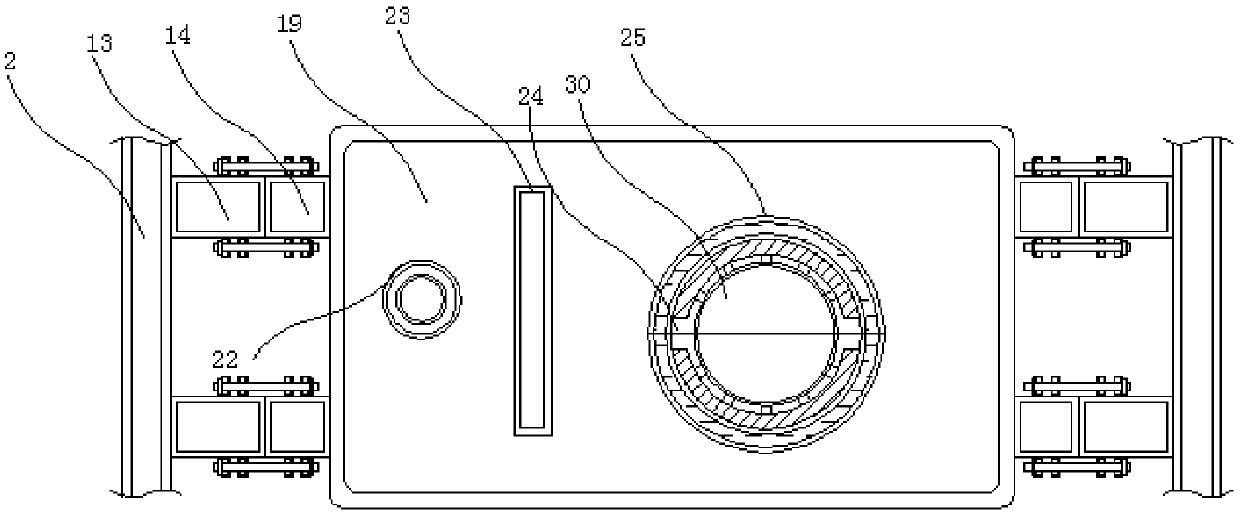
Figure 3
Abstract
Description
technical field
[0001] The invention relates to the related technical field of indoor installation, in particular to a hanging type horizontal moving device. Background technique
[0002] Due to the influence of factors such as rising housing prices, the improvement of the "space utilization rate" in the room has become an important goal pursued by indoor furniture layout. Therefore, clothes hangers are an important part of it. Hanging clothes neatly is an important part of modern home life. Therefore, under the premise of not affecting the space utilization rate, it is necessary to use a hanging device so that the user can take and dry the clothes at any time.
[0003] The existing hanging hanger fixed on the ceiling is in the direct suspension mode regardless of single-side operation or double-side operation, so that the space for placement is large.
[0004] A horizontal moving device with a buffer structure is disclosed in the Chinese utility patent application publicat...
Examples
Embodiment Construction
[0032] The following will clearly and completely describe the technical solutions in the embodiments of the present invention with reference to the accompanying drawings in the embodiments of the present invention. Obviously, the described embodiments are only some, not all, embodiments of the present invention.
[0033] In the description of the present invention, unless otherwise stated, the meaning of "plurality" is two or more; the terms "upper", "lower", "left", "right", "inner", "outer" , "front end", "rear end", "head", "tail", etc. indicate the orientation or positional relationship based on the orientation or positional relationship shown in the drawings, and are only for the convenience of describing the present invention and simplifying the description, rather than Nothing indicating or implying that a referenced device or element must have a particular orientation, be constructed, and operate in a particular orientation should therefore not be construed as limiting ...