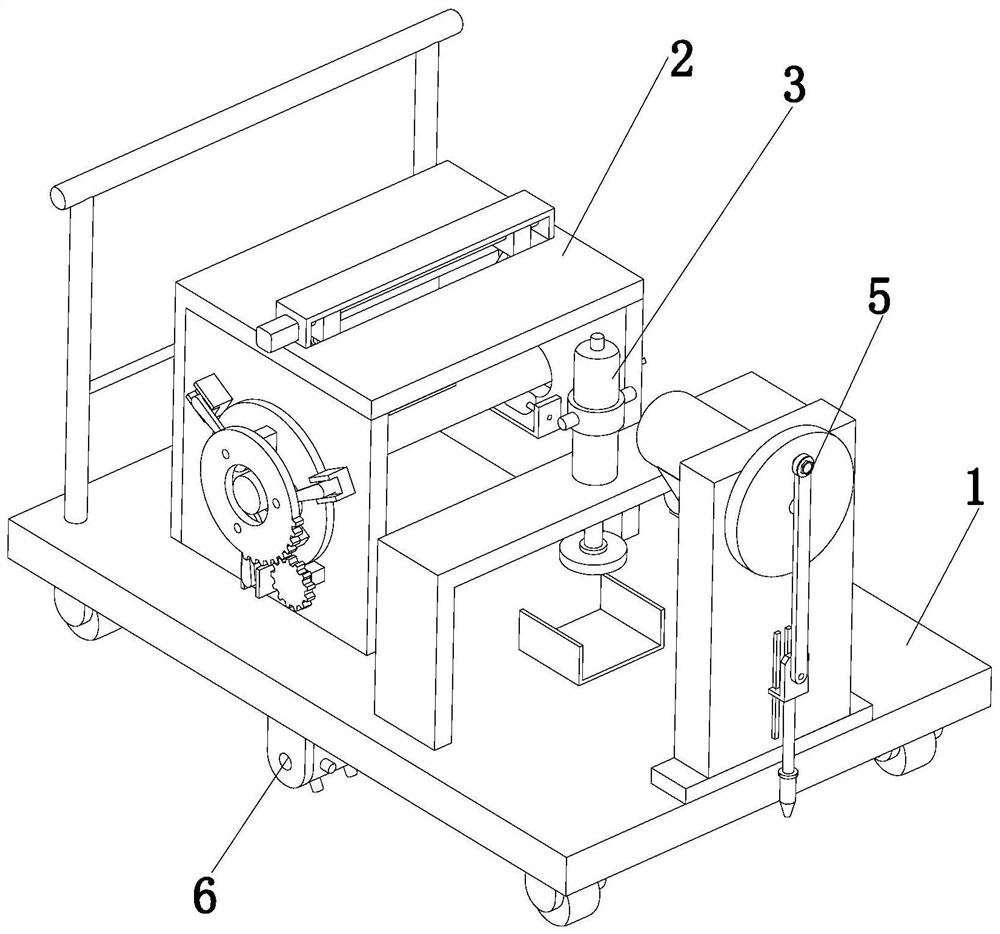
Building material hardness detection device

A detection device and technology for building materials, applied in the direction of testing the hardness of materials, etc., can solve the problems of inability to detect different building materials, inability to detect building materials in multiple directions, and inability to fix building materials

CN112147015AInactive Publication Date: 2020-12-29安徽黎搏装饰工程有限公司
1 Cites 0 Cited by

Patent Information

Authority / Receiving Office
CN · China
Patent Type
Applications(China)
Current Assignee / Owner
Publication Date
2020-12-29
Estimated Expiration
Not applicable · inactive patent

Smart Images

  • Figure 1
    Figure 1
  • Figure 2
    Figure 2
  • Figure 3
    Figure 3
Patent Text Reader

Abstract

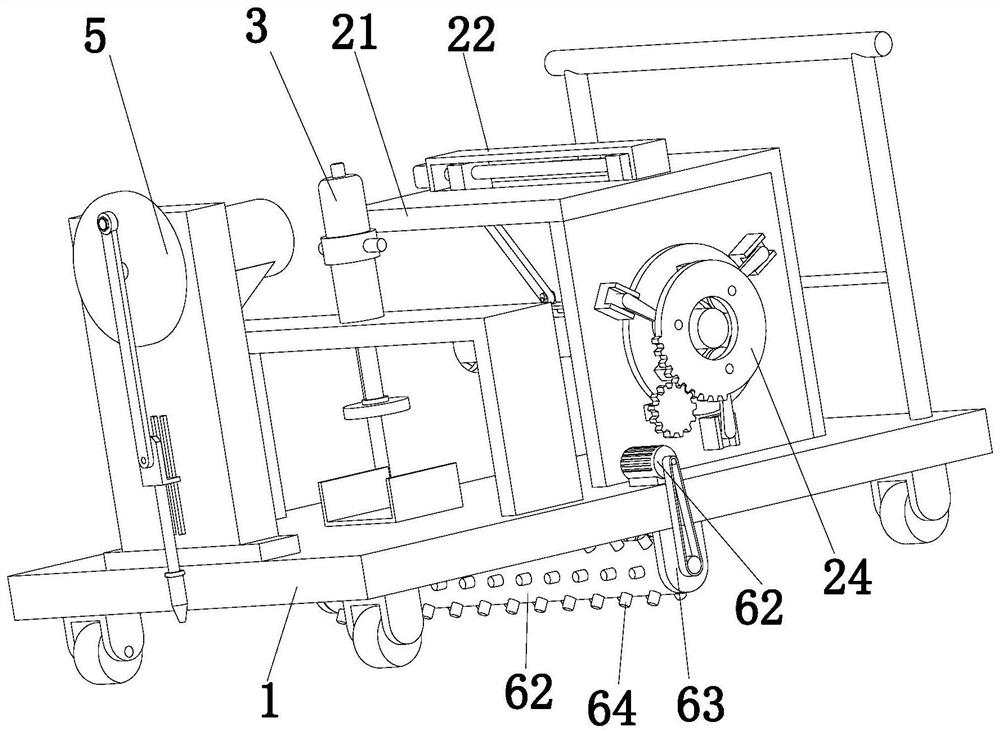
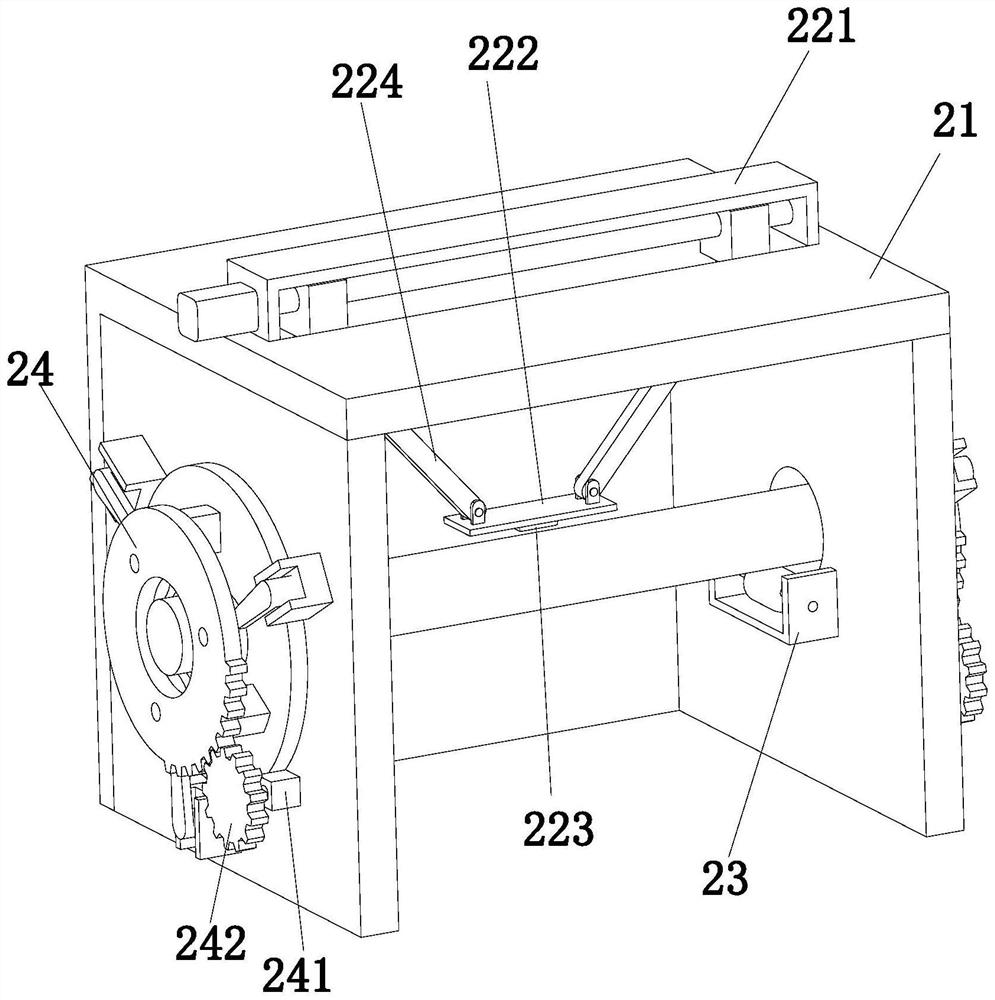
The invention discloses a building material hardness detection device, and belongs to the technical field of building material testing. The building material hardness detection device comprises a moving vehicle, a pipe hardness detection device, a blocky building material detection device, a ground hardness detection device and a ground cleaning device; the pipe hardness detection device is arranged on the moving vehicle, and the pipe hardness detection device comprises a mounting frame, a hardness detection assembly, a detection conveying assembly and two detection fixing assemblies, whereinthe two detection fixing assemblies are symmetrically arranged at the top of the moving vehicle, the hardness detection assembly is arranged at the top of the mounting frame, and the detection conveying assembly is arranged on one detection fixing assembly; the blocky building material detection device is arranged at the top of the moving vehicle; the ground hardness detection device is arranged at the rear end of the moving vehicle; and the ground cleaning device is arranged at the bottom of the moving vehicle. According to the building material hardness detection device, when fixing is conducted, pipes with different diameters can be fixed so that the building material hardness detection device can be applied to hardness detection operation of different types of pipes.
Need to check novelty before this filing date? Find Prior Art

Description

Technical field

[0001] The invention relates to the technical field of building material testing, in particular to a building material hardness detection device.Background technique

[0002] Hardness is a term in physics, and the ability of a material to locally resist hard objects pressed into its surface is called hardness. The local resistance of a solid to the intrusion of external objects is an index for comparing the hardness of various materials. As different test methods are specified, there are different hardness standards. Various hardness standards have different mechanical meanings and cannot be directly converted to each other, but they can be compared through experiments. During construction, in order to ensure the strength and hardness of the building, it is necessary to test the hardness of the building materials to avoid that the strength of some building materials does not meet the requirements, and the building does not meet the acceptance standards.

[0003] For example, t...

Examples

Embodiment Construction

[0027]In order to make the objectives, technical solutions, and advantages of the present invention clearer, the following further describes the present invention in detail with reference to the accompanying drawings and embodiments. It should be understood that the specific embodiments described here are only used to explain the present invention, but not to limit the present invention.

[0028]In the description of the present invention, it should be understood that the terms "longitudinal", "lateral", "upper", "lower", "front", "rear", "left", "right", "vertical", The orientation or positional relationship indicated by "horizontal", "top", "bottom", "inner", "outer", etc. are based on the orientation or positional relationship shown in the drawings, and are only for the convenience of describing the present invention, rather than indicating or It is implied that the device or element referred to must have a specific orientation, be configured and operated in a specific orientation, ...