However, after the breeding water line has been used for a period of time, the water in it will produce a large number of bacterial microorganisms, and the water in the breeding water line will produce dirt or green moss, etc. Bacterial microorganisms and floating dirt or green moss will be cultivated with the flow of water Drinking by poultry and
livestock will cause diseases to poultry and livestock. At the same time, there will be dirt or green moss attached to the inner wall of the breeding
waterline, and
bacteria will also be parasitic on the dirt or green moss, which will pollute the water in the waterline
At present, for the cleaning of the waterline, some use sterilizing or
antibiotic drugs in the water to kill
bacteria and microorganisms in the water and prevent the generation of green moss, etc., and to improve the resistance of poultry and livestock to bacteria and microorganisms, but Inevitably, some of these drugs will be left and accumulated in the poultry body, causing the drugs left over and accumulated in the poultry body to be transferred to the
human body when people eat the poultry and livestock, causing harm. Physical cleaning is used to clean the water in the breeding water line to avoid the above hazards
[0003] At present, the cleaning of the breeding waterline is mostly done manually by passing
glass fiber filaments into the breeding waterline for cleaning. The whole cleaning process is relatively complicated, and cleaning equipment is also used for cleaning. However, most of the above
cleaning methods are not thorough, and bacteria are likely to remain , and when cleaning, it is necessary to disassemble the water pipes originally connected to each breeding water line, and then manually use
glass fiber filaments or connect cleaning equipment for cleaning. After cleaning, disassemble the cleaning equipment and then connect the water pipes to continue to use, which is very inconvenient. Especially in the environment where many breeding water lines are used, it is necessary to dismantle the water pipes one by one, perform manual cleaning or connect the cleaning equipment to clean, dismantle the cleaning equipment and connect the water pipes, etc., which is time-consuming, labor-intensive and labor-intensive. poultry rinse
At the same time, the above two
cleaning methods are intermittent, that is, the above two
cleaning methods can only be carried out when the dirt or green moss has accumulated to a certain extent, so that the dirt or green moss in the breeding waterline is extremely low after cleaning, and bacteria The microbial content is extremely low. With the use of the
aquaculture waterline, the dirt or green moss in the
aquaculture waterline will gradually increase, and the bacterial and microbial content will also gradually increase, and the
pollution of the water in the aquaculture waterline will also gradually increase. When the
pollution reaches a certain
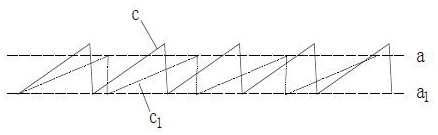
Clean up the aquaculture waterline after a certain degree, so that the content of dirt or green moss and bacteria and microorganisms in the aquaculture waterline will fluctuate, and the content of dirt or green moss and bacteria and microorganisms in the aquaculture waterline will reach a wave-like fluctuation with
high amplitude At this time, the
pollution of the water in the aquaculture water line has begun to affect the normal production, but it is limited by the reasons and effects of the above-mentioned cleaning methods, such as untimely detection, difficult control, high labor intensity, and economic costs. , the cleaning frequency of the above-mentioned aquaculture waterline cleaning method is generally not too high, and the cleaning time interval is generally longer, so the fluctuations in the content of dirt or green moss and bacterial microorganisms in the aquaculture waterline will be relatively large, which will seriously affect The normal use of the breeding water line
Moreover, at present, manual detection is mostly used for water samples in the breeding waterline, which is not only time-consuming and laborious, but also troublesome to operate and has poor detection accuracy. At the same time, because the water samples in the breeding waterline cannot be detected in real time, it is easy to cause untimely cleaning and cause the breeding waterline to be damaged. pollution of internal water


 Login to View More
  Login to View More