
Automatic fresh beer filling and selling equipment
A fresh beer, automatic technology, applied in the field of automatic equipment, can solve the problem of on-site beer not being able to bring a cap, and achieve the effect of automatic sales management, reduction of foam, and reduction of operating costs.
- Summary
- Abstract
- Description
- Claims
- Application Information
AI Technical Summary
Problems solved by technology
Method used
Image

Examples
Embodiment Construction
[0068] In order to make the technical problems, technical solutions and beneficial effects to be solved by the present invention clearer, the present invention will be further described in detail below in conjunction with the accompanying drawings and embodiments. It should be understood that the specific embodiments described here are only used to explain the present invention, not to limit the present invention.
[0069] It should be noted that when a component is referred to as “fixing” or “setting” or “connecting” another component, it may be directly or indirectly located on the other component. The terms "upper", "lower", "left", "right", "front", "rear", "vertical", "horizontal", "top", "bottom", "inner", "outer", etc. The indicated orientation or position is based on the orientation or position shown in the drawings, and is only for convenience of description, and should not be understood as a limitation on the technical solution.
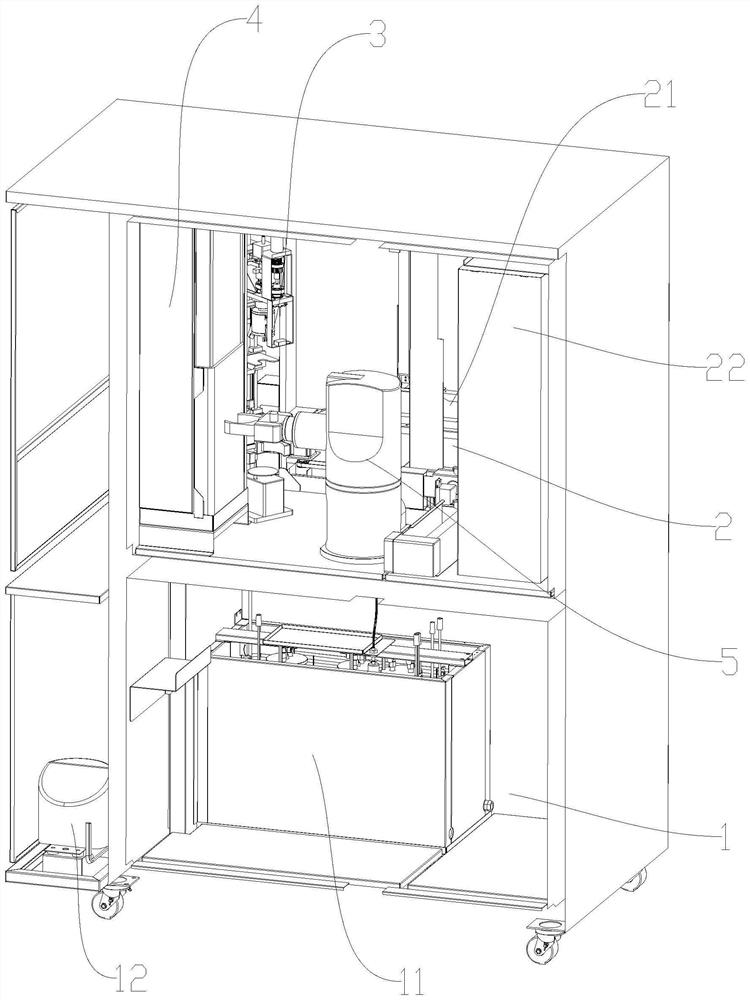
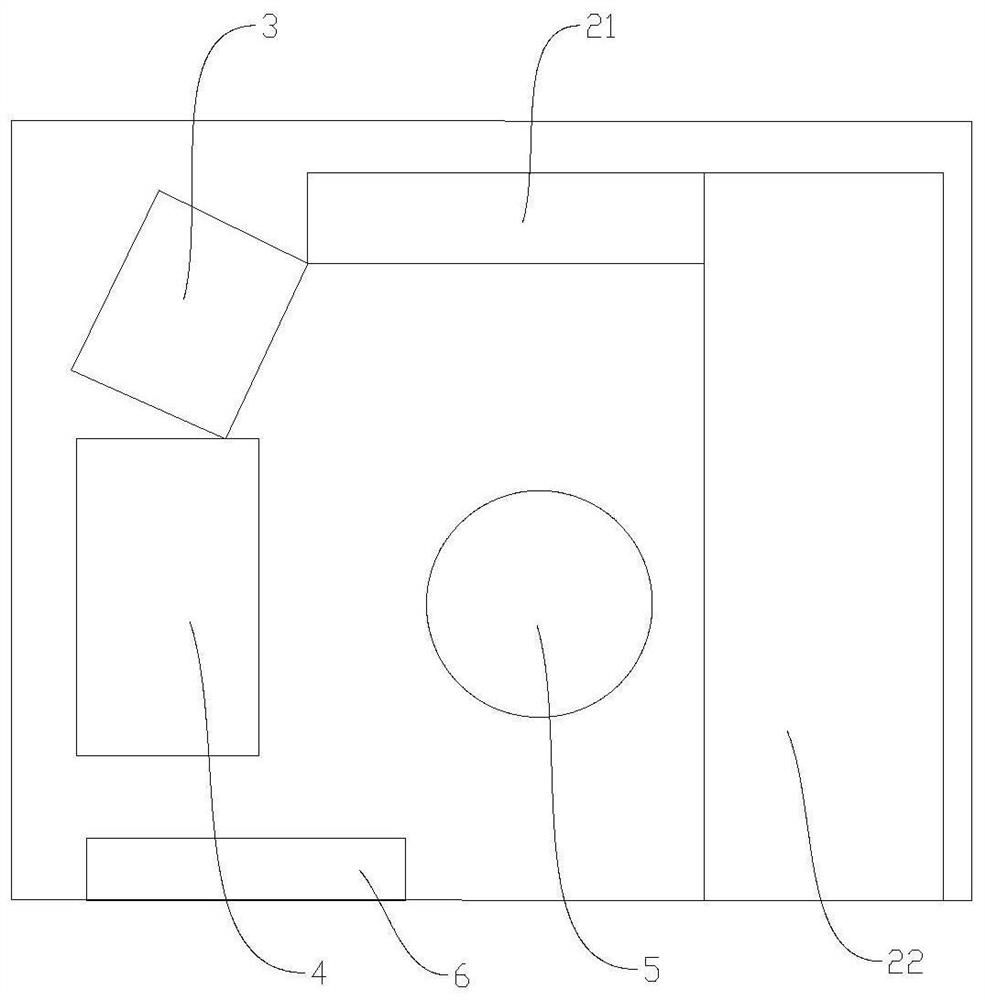
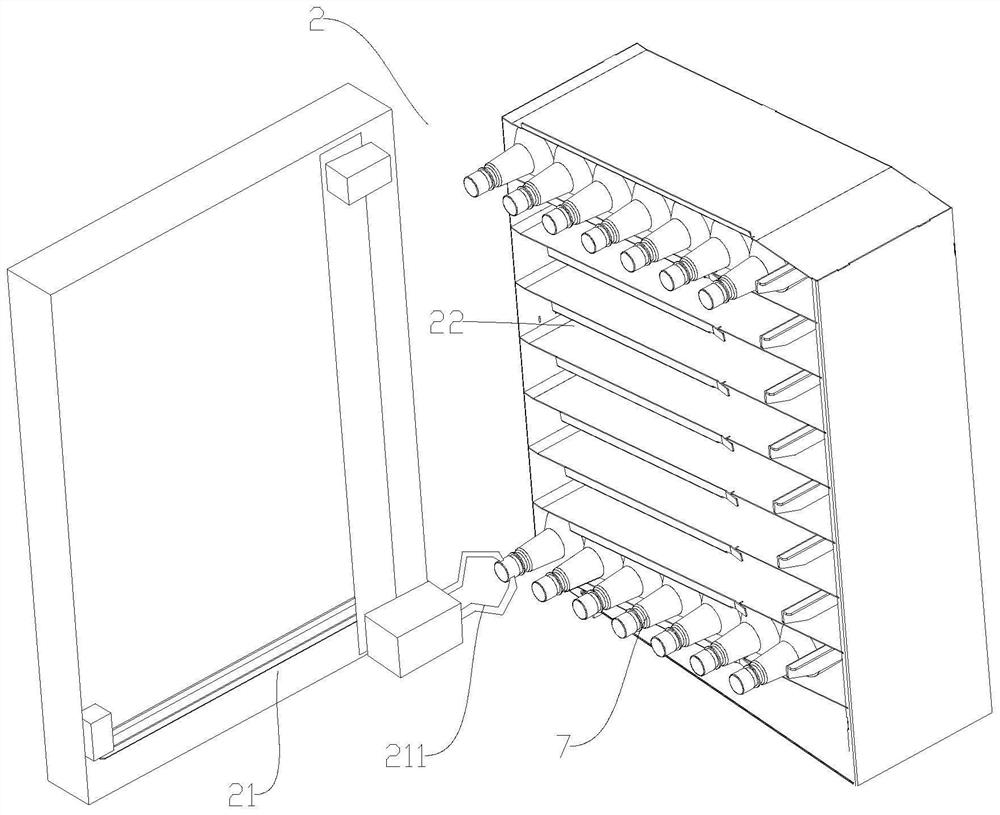
[0070] Such as Figure 1-7 As show...
PUM
 Login to View More
 Abstract
Description
Claims
Application Information
 Login to View More