Efficient multiple tuple generation over streaming XML data

US20110191323A1Inactive Publication Date: 2011-08-04IBM CORP
12 Cites 4 Cited by

Patent Information

Authority / Receiving Office
US · United States
Current Assignee / Owner
Publication Date
2011-08-04
Estimated Expiration
Not applicable · inactive patent

Smart Images

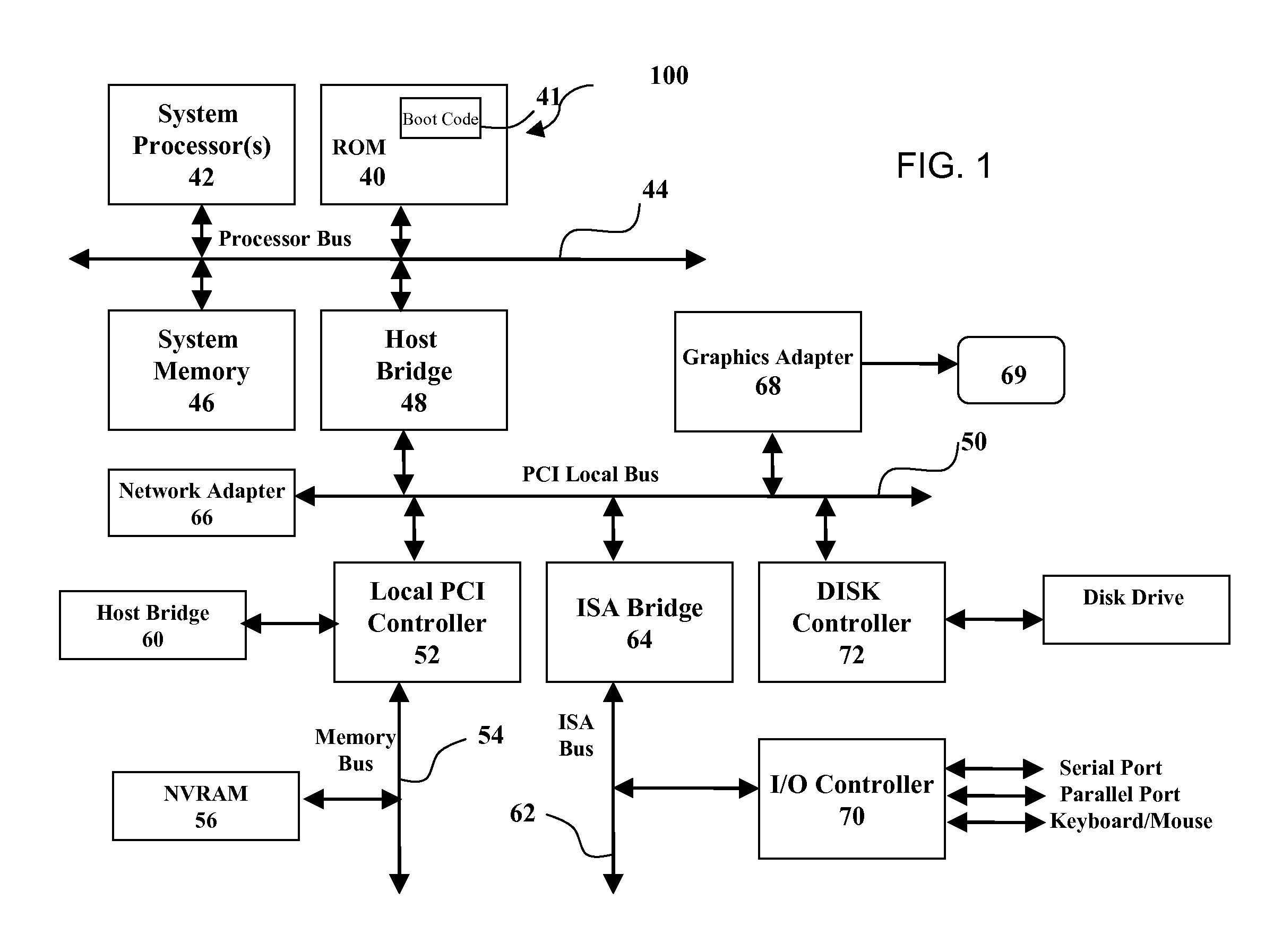
  • Figure 1
    Figure 1
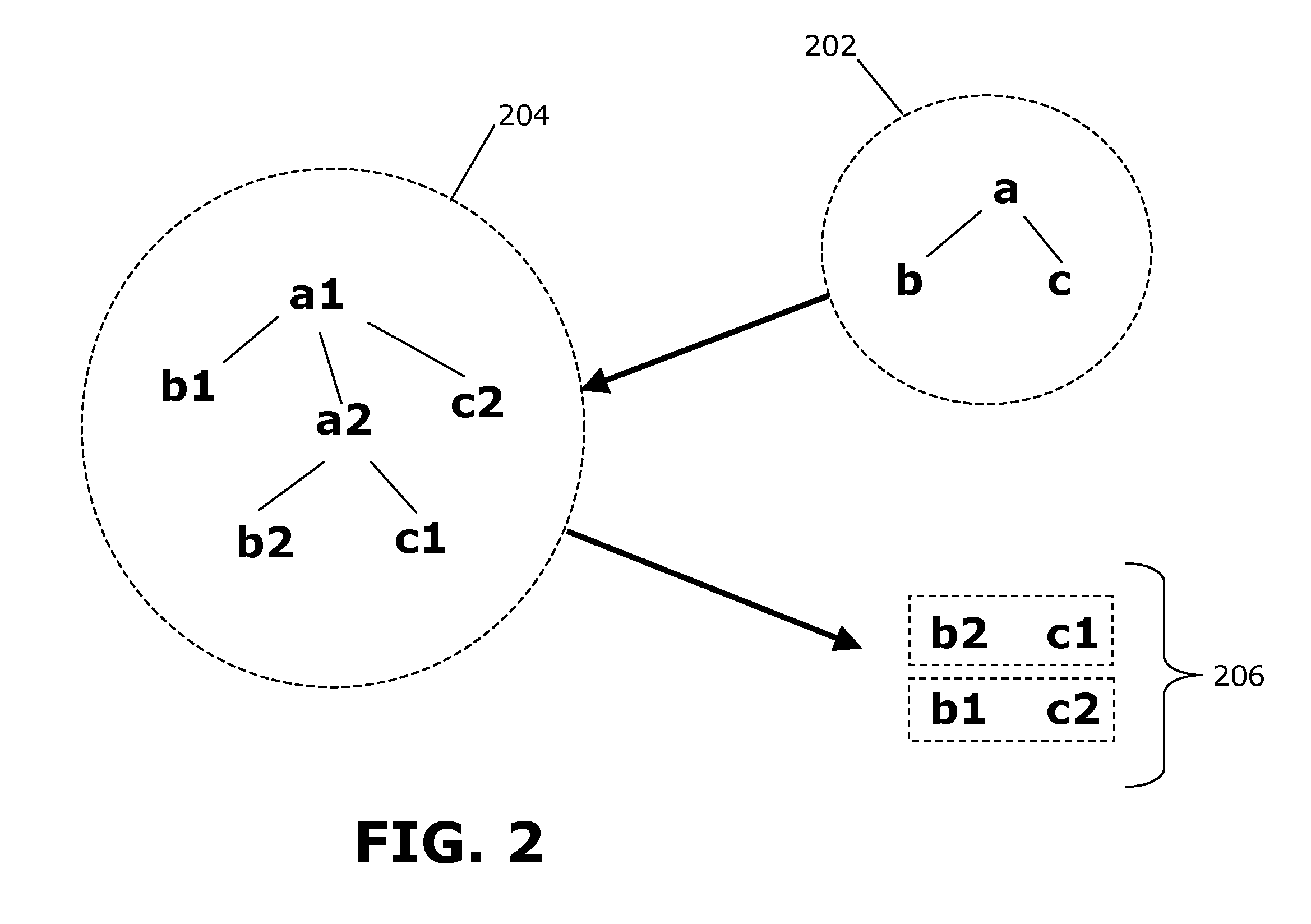
  • Figure 2
    Figure 2
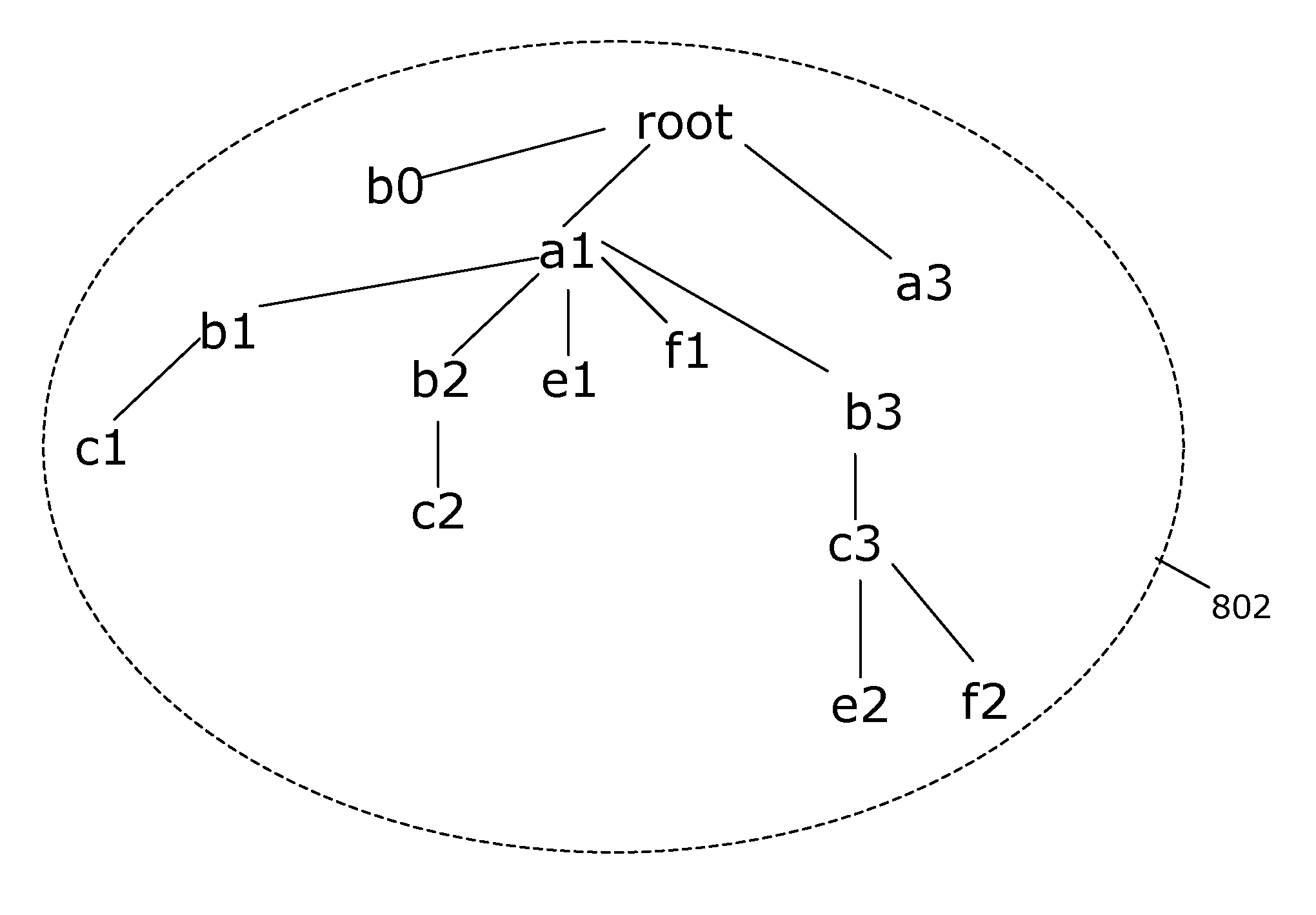
  • Figure 3
    Figure 3
Patent Text Reader

Abstract

Methods and arrangements for extracting tuples from a streaming XML document. A query twig is applied to the XML document stream, tuples are extracted from the XML document stream based on the query twig, and a quantity of extracted tuples is limited via foregoing extraction of duplicate tuples extraction of tuples that do not satisfy query twig criteria.
Need to check novelty before this filing date? Find Prior Art

Description

BACKGROUND

[0001] Generally, XML (extensible markup language) has become an important standard for data exchange. The exchange or transmission of large XML streams has become increasingly common, and often the preference is to consume such streams “on the fly”, as opposed to storing them for future use.

[0002] One of the core operations of such consumption processes of XML streams is tuple extraction. Generally, tuple extraction lies at the core of XML data integration. One of the most common ways to retrieve information from XML is to “shred” them in relational format. Once shredded, queries can be applied to present an aggregate view for BI (business intelligence). Another important application related to XML streams is for data transformation in schema mapping.

[0003] Surprisingly, tuple extraction over streams has not hitherto been widely addressed. Thus, there have been few if any sub-optimal algorithms presented for extracting single tuple types over XML streams. Further, little if ...

Examples

Embodiment Construction

[0024]It will be readily understood that the components of the embodiments of the invention, as generally described and illustrated in the figures herein, may be arranged and designed in a wide variety of different configurations in addition to the described exemplary embodiments. Thus, the following more detailed description of the embodiments of the invention, as represented in the figures, is not intended to limit the scope of the embodiments of the invention, as claimed, but is merely representative of exemplary embodiments of the invention.

[0025]Reference throughout this specification to “one embodiment” or “an embodiment” (or the like) means that a particular feature, structure, or characteristic described in connection with the embodiment is included in at least one embodiment of the invention. Thus, appearances of the phrases “in one embodiment” or “in an embodiment” or the like in various places throughout this specification are not necessarily all referring to the same emb...