Primary memory module with record of usage history

US20140297975A1Active Publication Date: 2014-10-02IBM CORP
5 Cites 3 Cited by

Patent Information

Authority / Receiving Office
US · United States
Current Assignee / Owner
Publication Date
2014-10-02

Smart Images

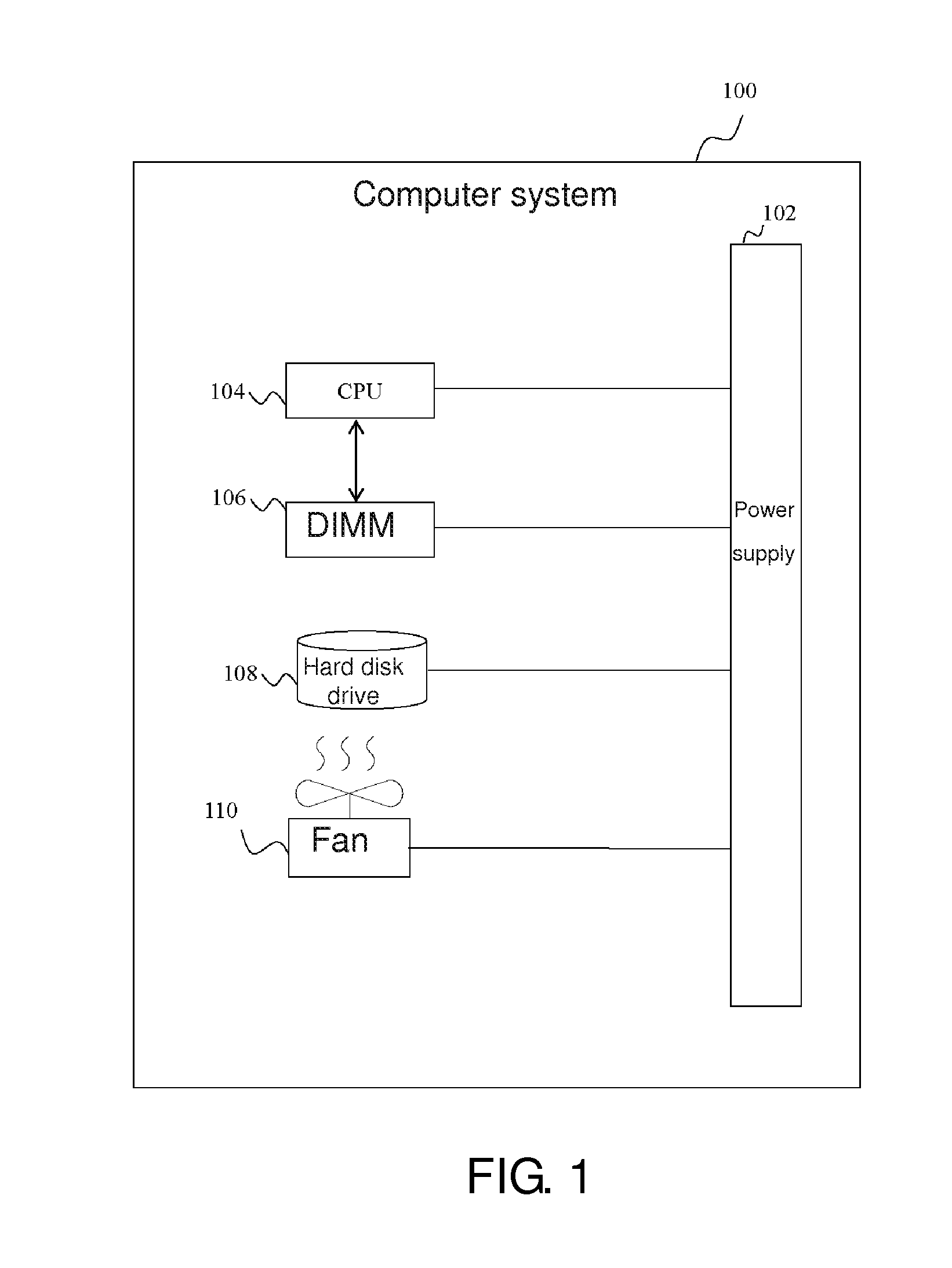
  • Figure 1
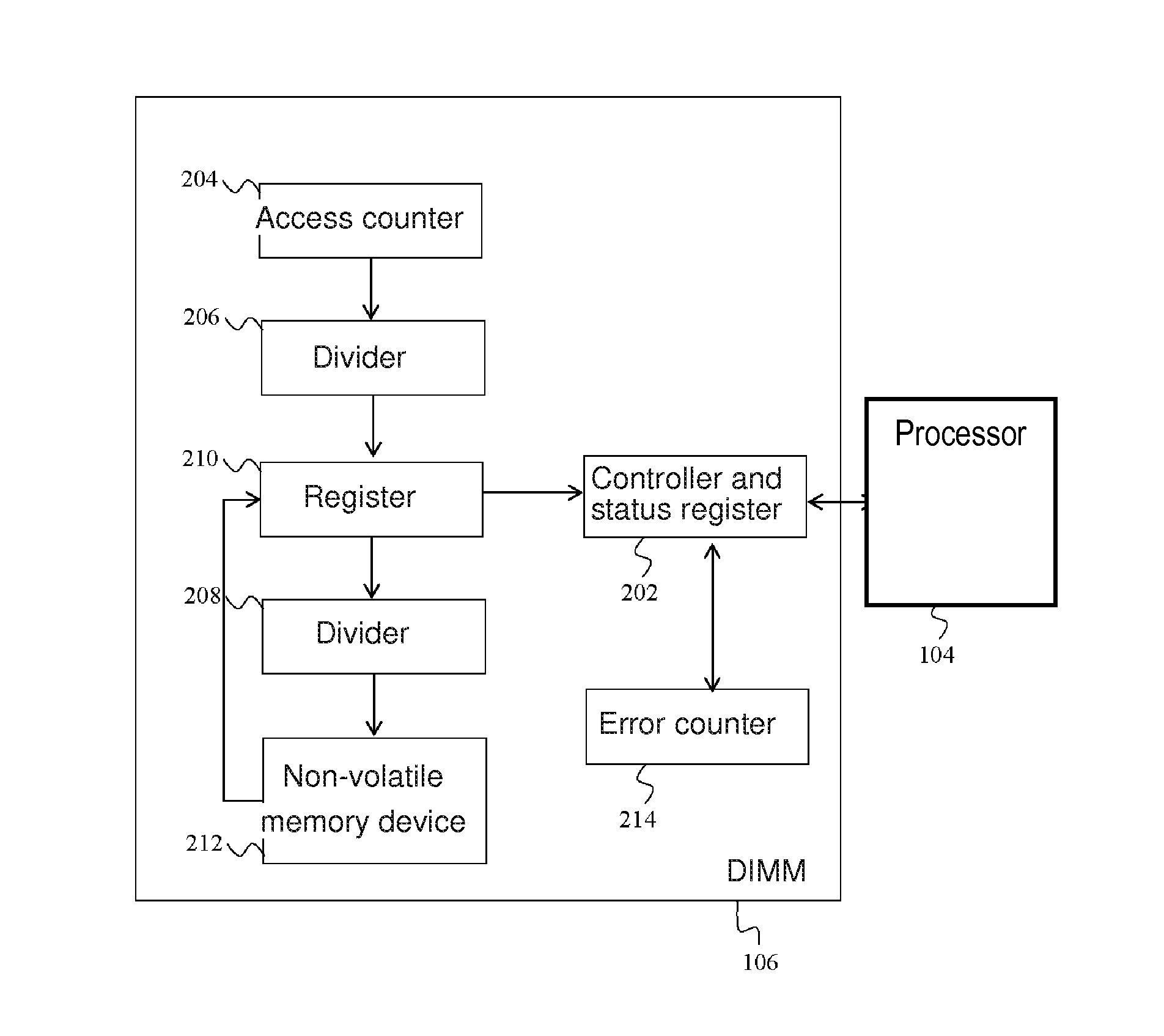
    Figure 1
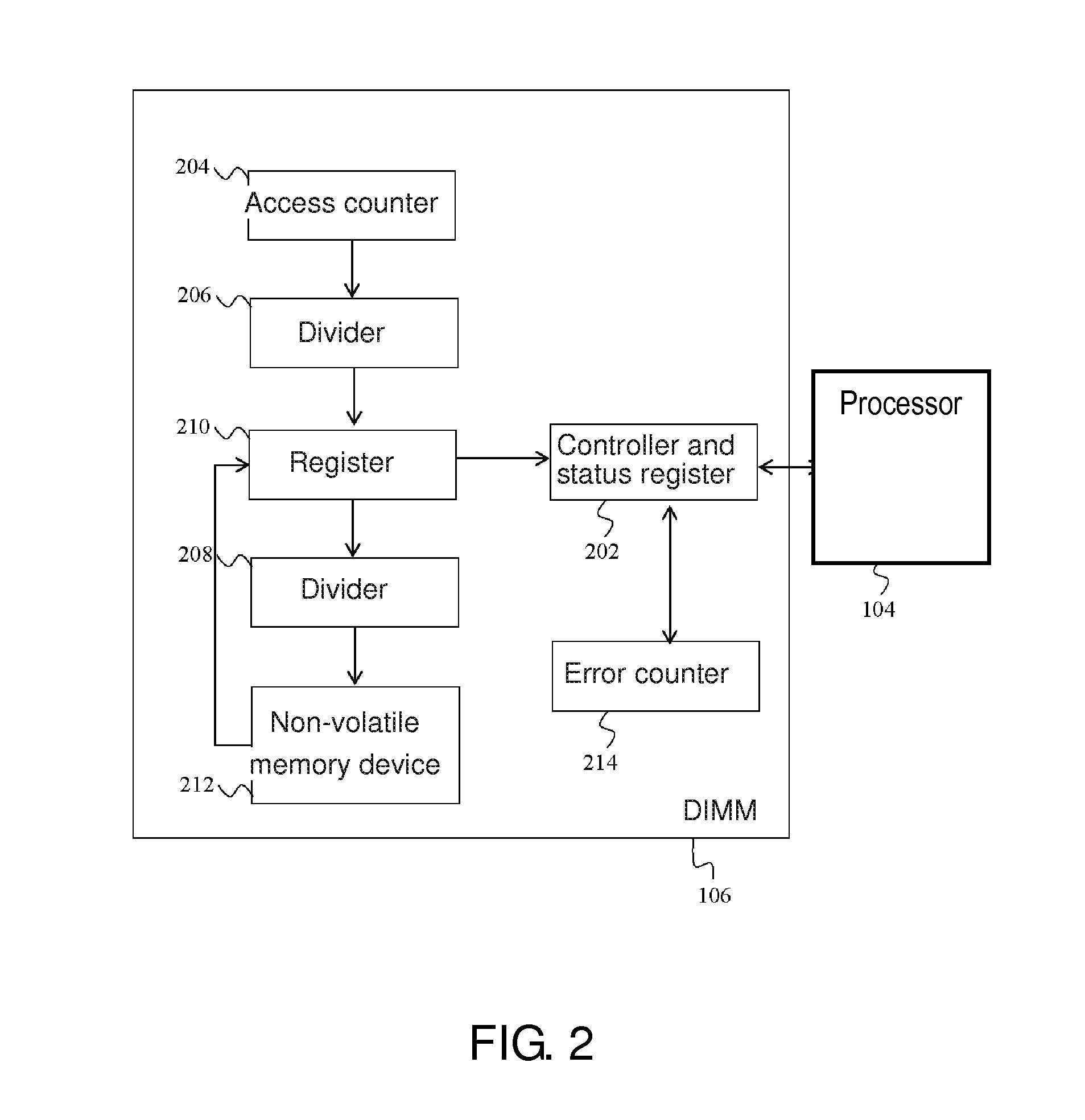
  • Figure 2
    Figure 2
  • Figure 3
    Figure 3
Patent Text Reader

Abstract

Provided is a primary memory module including a counter for providing a count indicative of the numbers of times the primary memory module has ever been read / written by a processor. With the count, an operating situation of the primary memory module is evaluated so as to optimize memory allocation performed by the operation system, adjust the operating mode of the primary memory module, and send a warning message to a user, for example.
Need to check novelty before this filing date? Find Prior Art

Description

[0001] This application is based on and claims the benefit of priority from Taiwan Patent Application 102111378, filed on Mar. 29, 2013.BACKGROUND OF THE INVENTION

[0002] The present invention relates to primary memory (also known as main memory) modules, and more particularly, to a primary memory module with a record of usage history.

[0003] A primary memory in a computer system is essentially provided for a processor (CPU) to store temporary programs and data currently being processed, and comes in two categories according to structure and functionality, namely, read-only memory (ROM) and random access memory (RAM). A secondary memory stores both processed and unprocessed programs and data, can get back the stored programs and data even when not powered, and usually features large capacity and permanent storage. Examples of the secondary memory include magnetic disk, magnetic tape, and compact disk.

[0004] The primary memory, such as DRAM, is typically manufactured by an integrated circu...

Examples

Embodiment Construction

[0016]Reference throughout this specification to “one embodiment,”“an embodiment,” or similar language means that a particular feature, structure, or characteristic described in connection with the embodiment is included in at least one embodiment of the present invention. Thus, appearances of the phrases “in one embodiment,”“in an embodiment,” and similar language throughout this specification may, but do not necessarily, all refer to the same embodiment.

[0017]As will be appreciated by one skilled in the art, the present invention may be embodied as a computer system, a method or a computer program product. Accordingly, the present invention may take the form of an entirely hardware embodiment, a software embodiment (including firmware, resident software, micro-code, etc.) or an embodiment combining software and hardware aspects that may all generally be referred to herein as a “circuit,”“module” or “system.” Furthermore, the present invention may take the form of a computer progra...