Wearable physiological monitoring systems and methods

a physiological wearable and monitoring system technology, applied in the field of respiratory and physiological monitoring systems, can solve the problems of limited usability, difficult use, lack of portability,

US20180228434A1Active Publication Date: 2018-08-16HEALTH CARE ORIGINALS INC
4 Cites 7 Cited by

Patent Information

Authority / Receiving Office
US · United States
Current Assignee / Owner
Publication Date
2018-08-16

Smart Images

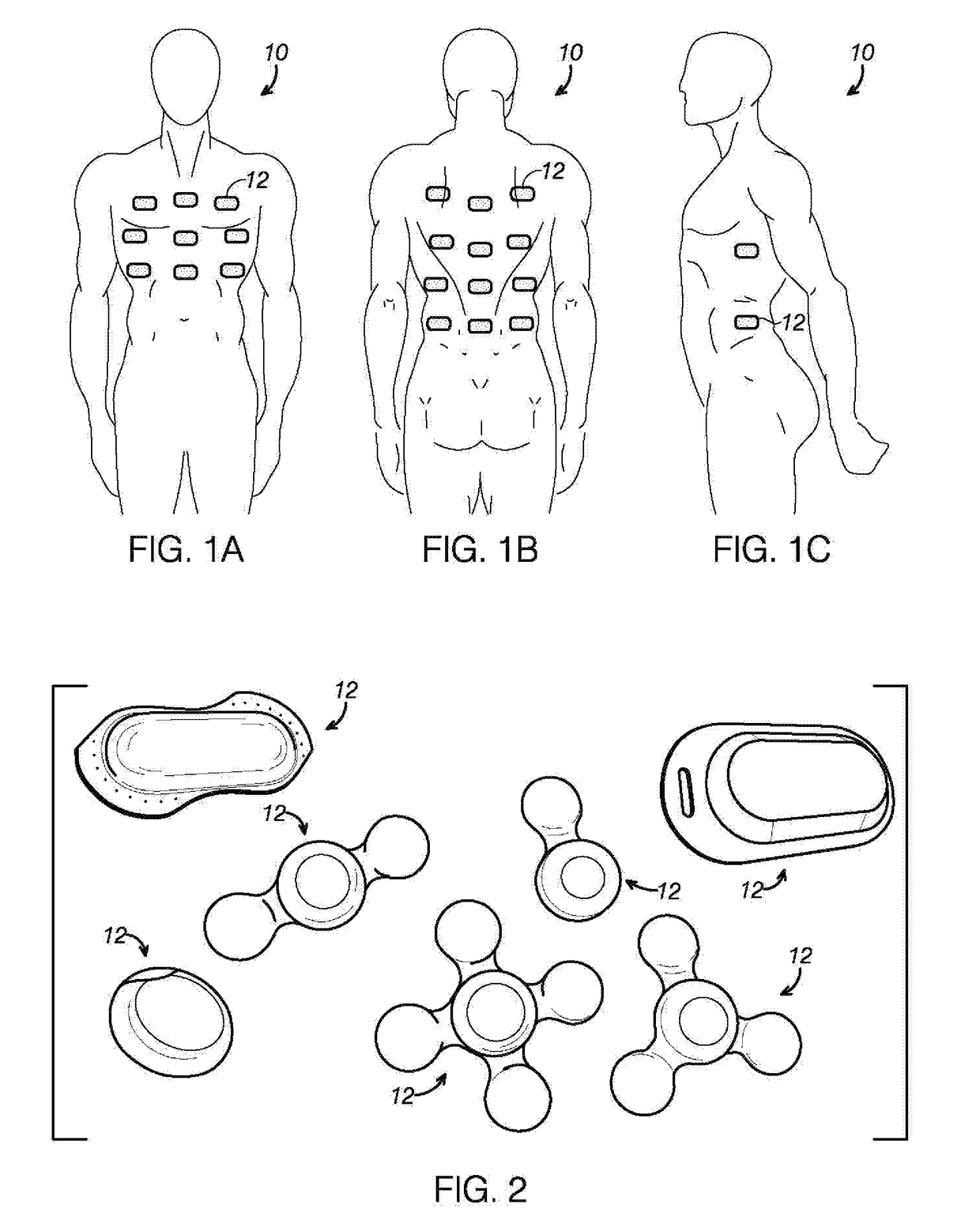
  • Figure 1
    Figure 1
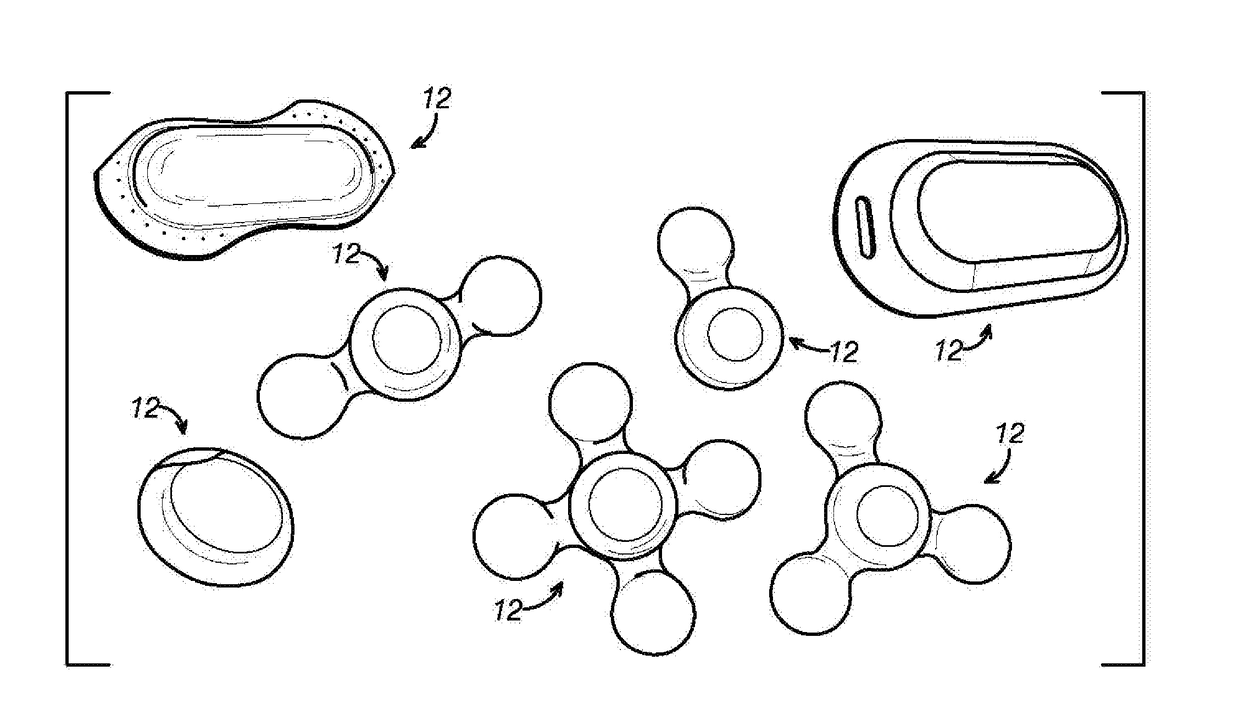
  • Figure 2
    Figure 2
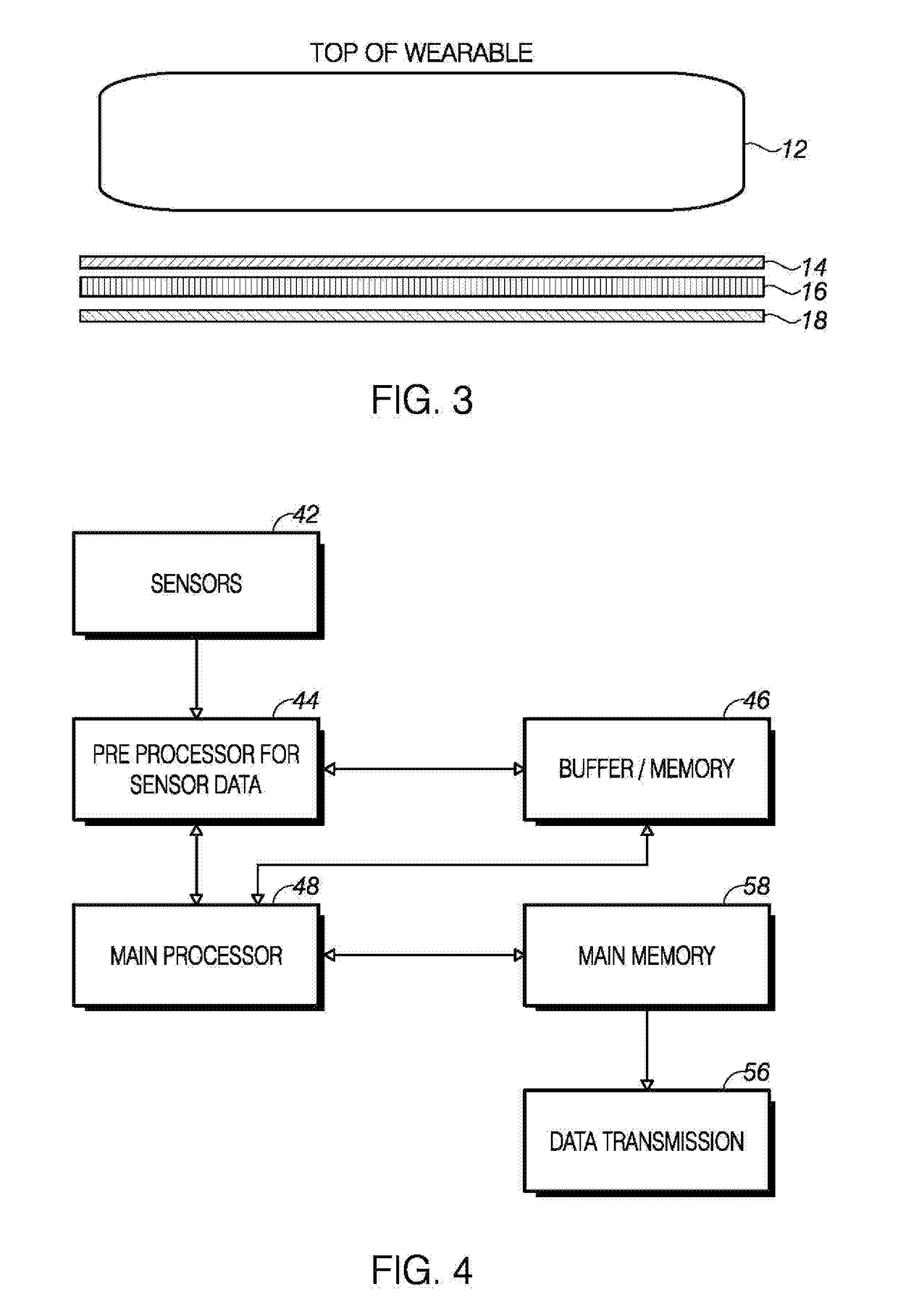
  • Figure 3
    Figure 3
Patent Text Reader

Abstract

A physiological monitoring system can use physiological wearable monitors to collect and / or detect various parameters, such as cough, wheeze, heart rate, skin temperature, activity, respiration rate, skin impedance, electro-cardiogram data, blood pressure, galvanic skin response, and the like. One or more of these parameters, or other such parameters, may be used in methods in the fields of lung cancer, physiotherapy, monitoring disabled or challenged individuals, monitoring end of life conditions, monitoring breathing gas usage, monitoring patients and individual wellness, data acquisition, athletic sports monitoring, athletic sports entertainment, virtual reality feedback, telemedicine, hospital aid, illness detection and its severity, and public service, as examples. Such methods can use data from one or more wearable devices with the appropriate data processing to present the user or healthcare provider with the appropriate analysis.
Need to check novelty before this filing date? Find Prior Art

Description

BACKGROUND OF THE INVENTION1. Field of the Invention

[0001] Embodiments of the invention relate generally to respiratory and physiological monitoring systems. More particularly, the invention relates to respiratory and physiological monitoring systems and wearable devices usable in methods in various fields, such as medical, athletic, public safety, wellness, entertainment, data acquisition, and the like.2. Description of Prior Art and Related Information

[0002] The following background information may present examples of specific aspects of the prior art (e.g., without limitation, approaches, facts, or common wisdom) that, while expected to be helpful to further educate the reader as to additional aspects of the prior art, is not to be construed as limiting the present invention, or any embodiments thereof, to anything stated or implied therein or inferred thereupon.

[0003] Physiological sensors have long been known and widely used for certain medical and health related applications. Var...

Examples

Embodiment Construction

[0040]The terminology used herein is for the purpose of describing particular embodiments only and is not intended to be limiting of the invention. As used herein, the term “and / or” includes any and all combinations of one or more of the associated listed items. As used herein, the singular forms “a,”“an,” and “the” are intended to include the plural forms as well as the singular forms, unless the context clearly indicates otherwise. It will be further understood that the terms “comprises” and / or “comprising,” when used in this specification, specify the presence of stated features, steps, operations, elements, and / or components, but do not preclude the presence or addition of one or more other features, steps, operations, elements, components, and / or groups thereof.

[0041]Unless otherwise defined, all terms (including technical and scientific terms) used herein have the same meaning as commonly understood by one having ordinary skill in the art to which this invention belongs. It wi...