
Intumescent flame retardant polybutylene succinate and preparation method thereof
A polybutylene succinate, intumescent flame retardant technology, applied in the field of flame retardant materials, can solve the problems of high cost, complex process, difficult industrialized production, etc., and achieves low production cost, simple process, and pollution-free production. Effect
Patent Information
- Authority / Receiving Office
- CN · China
- Current Assignee / Owner
- Publication Date
- 2010-07-21
Smart Images
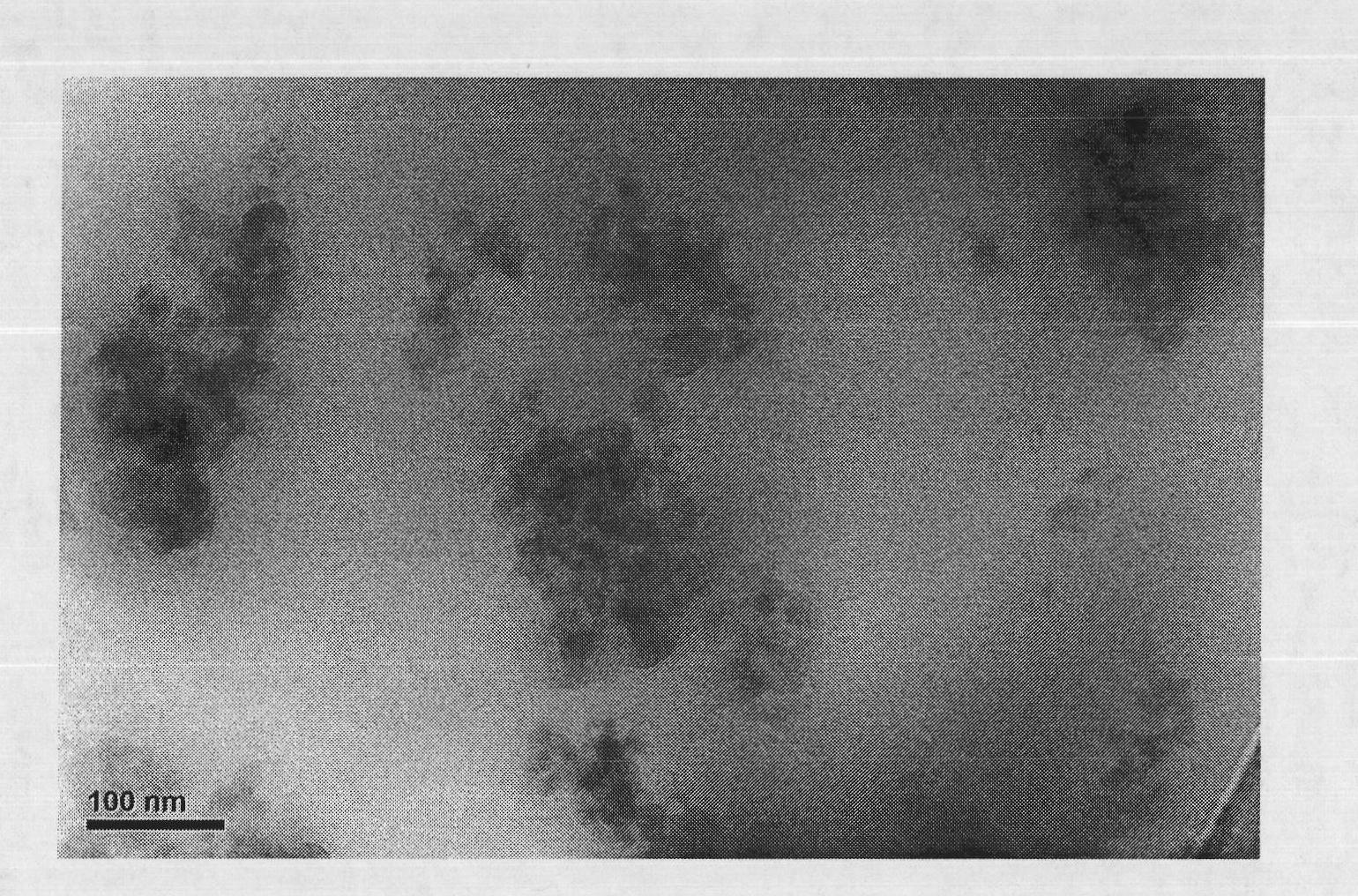
Figure 1 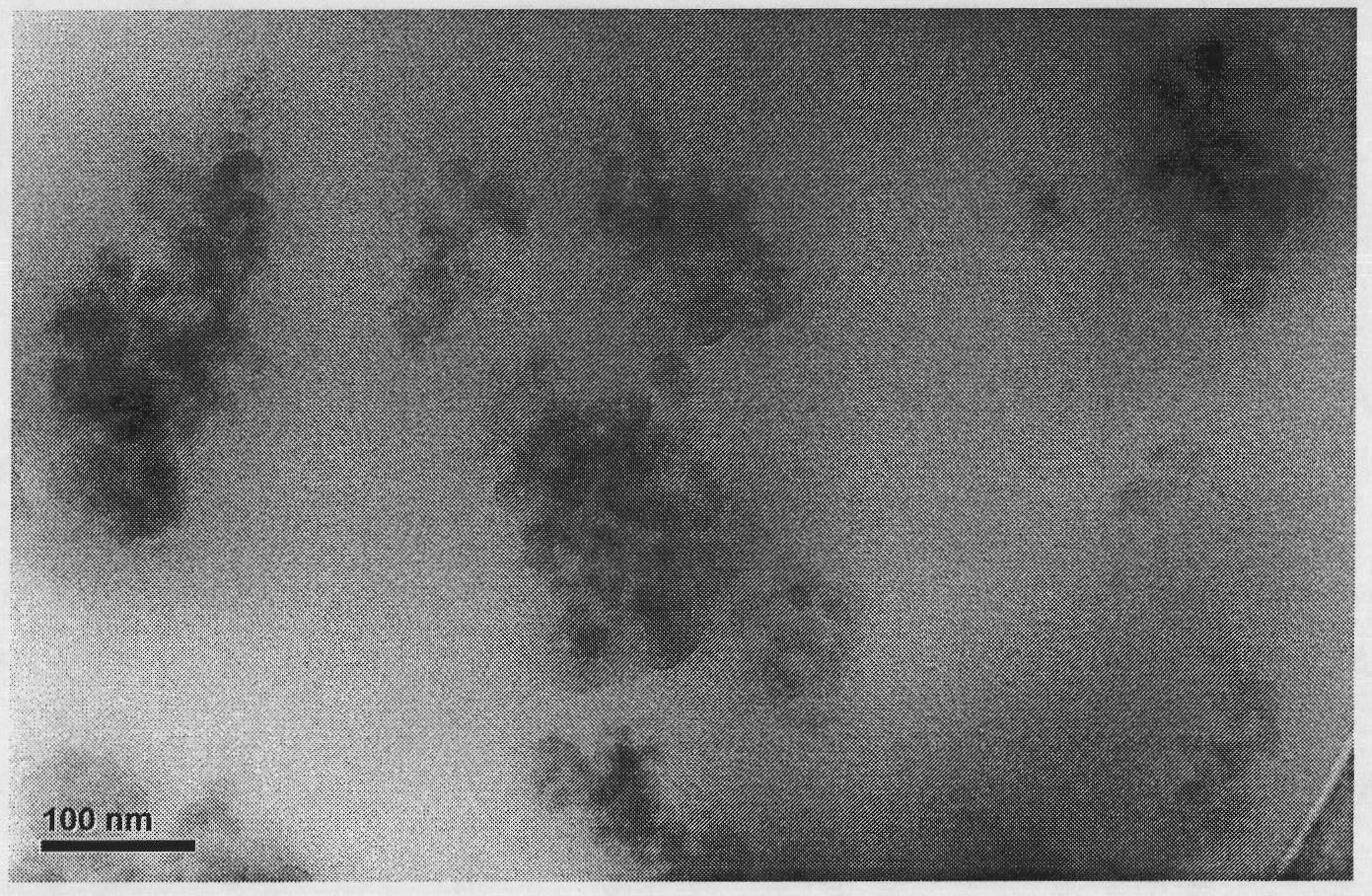
Figure 2
Abstract
Description
technical field
[0001] The invention belongs to the technical field of flame-retardant materials, and in particular relates to intumescent flame-retardant polybutylene succinate and a preparation method thereof. Background technique
[0002] According to Baidu Encyclopedia, polybutylene succinate (PBS), also known as polybutylene succinate or polybutylene succinate, contains ester bonds that are easily hydrolyzed in the main chain, and the main chain is soft. A semi-crystalline thermoplastic resin with complete biodegradability, with a melting point of 114°C and a crystallinity of 30-45% depending on the molecular weight and molecular weight distribution. The performance is between polyethylene and polypropylene, and it can be directly used as plastic processing. Polybutylene succinate has good processing performance, and can be processed on ordinary processing and molding equipment, and the processing temperature range is 140-260°C. It can be processed by injection moldin...
Examples
Embodiment 1
[0019] Firstly, the polybutylene succinate was dried at 65°C for 12 hours, the intumescent flame retardant was dried at 80°C for 12 hours, and the silica was dried at 70°C for 12 hours.
[0020] 40 grams of polybutylene succinate through the above-mentioned drying process are melted in a banbury mixer (the temperature is about 115 ° C), and then 8.31 grams of ammonium polyphosphate, 1.19 dicyandiamide and 0.5 gram of silicon dioxide are added, Melting and blending at a rotating speed of 30rmp for 10-15 minutes, the intumescent flame retardant and the synergist form nanoscale dispersion in the polybutylene succinate matrix, and the material is cut to obtain the intumescent flame-retardant polybutylene succinate of the present invention. Butylene glycol diacid.
[0021] By using a limiting oxygen index tester and a vertical combustion tester to test the intumescent flame-retardant polybutylene succinate sample prepared in this example, it can be known that the oxygen index of th...
Embodiment 2
[0025] Firstly, the polybutylene succinate was dried at 70°C for 8 hours, the intumescent flame retardant was dried at 80°C for 12 hours, and the silica was dried at 80°C for 12 hours.
[0026] Melt 42.5 grams of the above-mentioned dry-treated polybutylene succinate in an internal mixer (the temperature is about 115° C.), and then add 4.8 grams of a compound composed of melamine phosphate and ammonium polyphosphate in a mass ratio of 1:2. Compound, 1.2 grams of melamine and 1.5 grams of silicon dioxide were blended for 10-15 minutes at a rotating speed of 30rmp, and the intumescent flame retardant and synergist formed nanoscale dispersion in the polybutylene succinate matrix, and the following material, that is, to obtain intumescent flame-retardant polybutylene succinate.
[0027] By using a limiting oxygen index tester and a vertical combustion tester to test the intumescent flame-retardant polybutylene succinate sample prepared in this example, it can be known that the oxy...