
Preparation method of graphene with nano ferroferric oxide precipitated on surface
A technology of graphene and graphite, which is applied in the field of materials, can solve the problems of graphene specific surface area reduction, affect the excellent performance of graphene, destroy graphene, etc., and achieve the effect of not being easy to agglomerate, simple and easy to prepare, and good dispersion
Patent Information
- Authority / Receiving Office
- CN · China
- Patent Type
- Applications(China)
- Current Assignee / Owner
- Publication Date
- 2012-09-19
- Estimated Expiration
- Not applicable · inactive patent
Smart Images
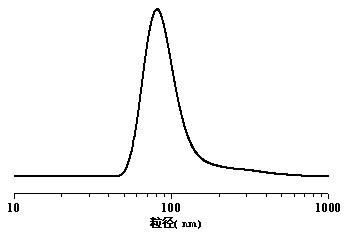
Figure 1 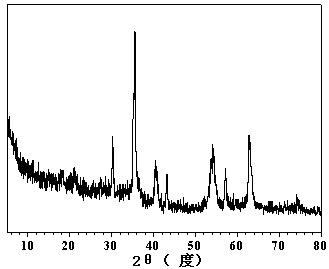
Figure 2 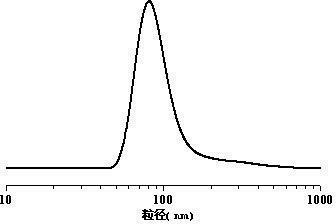
Figure 3
Abstract
Description
technical field
[0001] The invention belongs to the field of materials, relates to graphene, and in particular to a surface-precipitated nano-ferric oxide (Fe 3 o 4 ) The preparation method of graphene. Background technique
[0002] Graphene has excellent mechanical and electrical properties, and it has great potential application value in many fields. The preparation of graphene / polymer composite materials can improve the mechanical properties of polymers, prepare optical and electrical functional materials, high temperature resistant materials and friction materials, etc. At present, polymer / graphene composite materials have gradually become the main research and application direction of graphene. However, nanometer-scale graphene is insoluble in water and organic solvents, and is extremely prone to agglomeration, resulting in an unsatisfactory aggregation state in the final composite material, which makes it unable to give full play to its own advantages.
[0003] The...
Examples
Embodiment 1
[0026] (1) Preparation of graphite oxide
[0027] Weigh 2g of natural flake graphite and 1g of sodium nitrate, mix well; add concentrated H 2 SO 4 50ml, stirred under ice bath conditions, slowly added the mixture of graphite and sodium nitrate, slowly added 6g KMnO 4 , strictly control the temperature below 10°C, last about 0.5h, keep the temperature and continue to react for 2h; heat to 30°C, react for 3h, continue to slowly increase the temperature to 98°C, and slowly add H 2 O 100ml, keep the reaction at 100°C for about 2 hours, observe the color change; dilute the system with warm water, H 2 O dosage is about 150ml, add 15ml H 2 o 2 ; After the reaction, add a large amount of deionized water to dilute the product, and use 5% dilute hydrochloric acid to wash until the barium chloride solution cannot detect SO 4 2- Until then, it was repeatedly washed with deionized water until the pH value was neutral, and finally filtered and dried to obtain graphite oxide.
[0028...
Embodiment 2
[0033] (1) Preparation of graphite oxide
[0034] Add 30ml of concentrated sulfuric acid and 10ml of concentrated nitric acid into the three-neck flask, mechanically stir in ice-water bath for 20min to obtain mixed acid, take 2g of natural flake graphite and add it, after stirring for 15min, gradually add 6g of potassium chlorate powder slowly, and react for 72h. After the reaction, add a large amount of deionized water to dilute the product, wash with 5% dilute hydrochloric acid until the barium chloride solution cannot detect SO 4 2- Until then, it was repeatedly washed with deionized water until the pH value was neutral, and dried by suction to obtain graphite oxide.
[0035] (2) Graphene is prepared by reducing graphene oxide with zinc powder
[0036] Weigh graphite oxide 0.2g and H 2 O mixed with ultrasonic stripping to obtain 400ml of a suspension with a concentration of 0.5mg / ml, stirred evenly, added 1g of zinc powder, and ultrasonically reacted for 3h. After the re...
Embodiment 3
[0040] (1) Preparation of graphite oxide
[0041] Weigh 2g of natural flake graphite and 1g of sodium nitrate, mix well; add concentrated H 2 SO 4 50ml, stirred under ice bath, slowly added the mixture of graphite and sodium nitrate, slowly added 6g KMnO 4 , control the temperature below 10°C for about 2 hours, keep the temperature and continue the reaction for 5 hours; heat to 50°C in a water bath for 4 hours; continue to slowly raise the temperature to 90°C, and slowly add H 2 O 100ml, strictly control the temperature at 100°C, keep the reaction for about 5 hours, observe the color change; dilute the system with warm water, H 2 The amount of O is about 150ml, add 15ml of H 2 o 2 ; After the reaction, add a large amount of deionized water to dilute the product, and use 5% dilute hydrochloric acid to wash until the barium chloride solution cannot detect SO 4 2- Until then, it was repeatedly washed with deionized water until the pH value was neutral, and finally filtered...