
A kind of production method of high-viscosity micro-molecular weight dextran
A production method and molecular weight technology, applied in microorganism-based methods, biochemical equipment and methods, microorganisms, etc., can solve the problems of large molecular weight of glucan, loss of glucan, etc., and achieve high viscosity, saving addition, and performance. excellent effect
Patent Information
- Authority / Receiving Office
- CN · China
- Patent Type
- Patents(China)
- Current Assignee / Owner
- Publication Date
- 2019-07-19
Smart Images
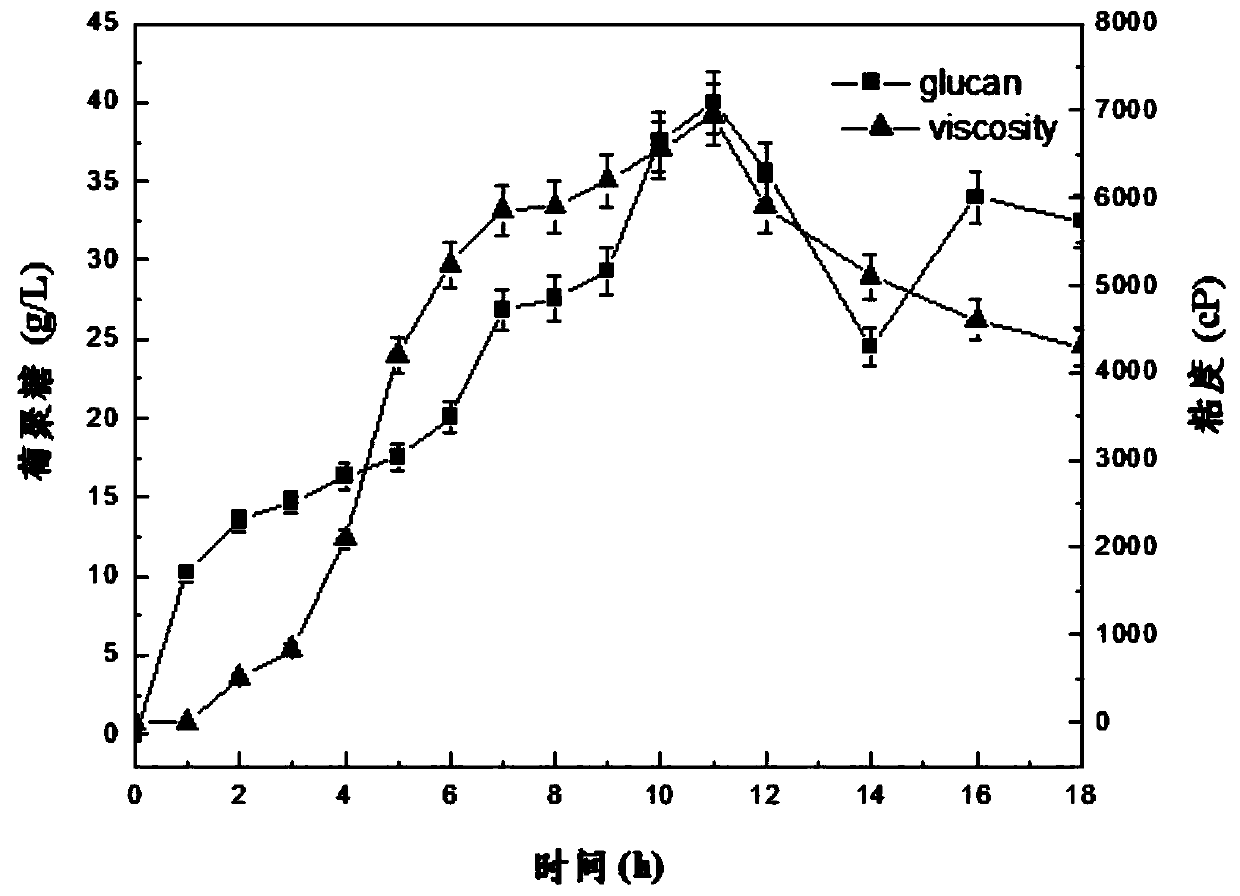
Figure 1 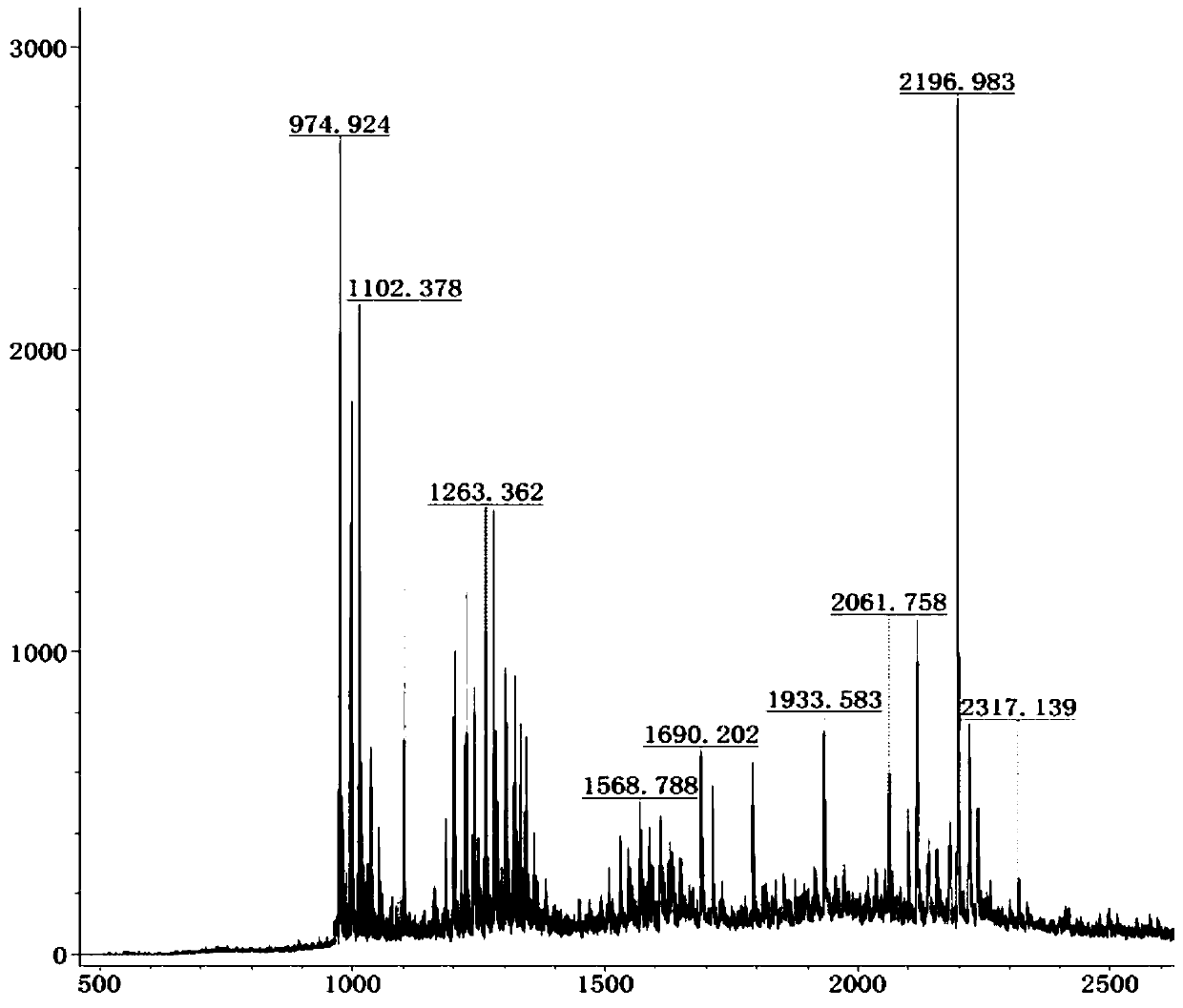
Figure 2 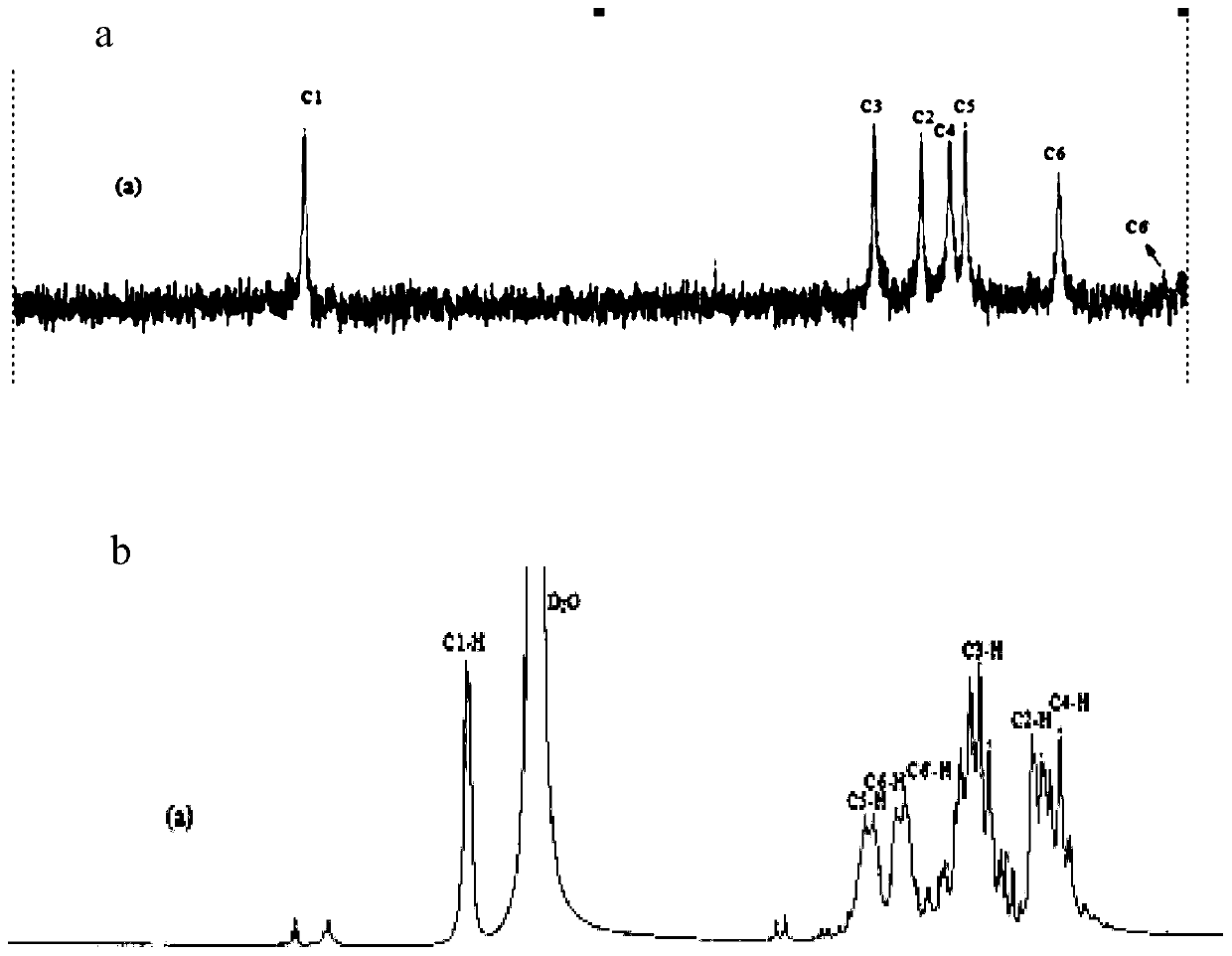
Figure 3
Abstract
Description
technical field
[0001] The invention relates to the technical field of biological fermentation, in particular to a method for producing high-viscosity and micro-molecular-weight dextran produced by a strain of Leuconostoc mesenteroides. Background technique
[0002] Microbial polysaccharides are mainly produced by bacteria, fungi, and cyanobacteria. They are a type of biopolymers that protect microorganisms. Compared with plant polysaccharides, they have more biological activities and physiological functions. More importantly, these microbial polysaccharides cannot be imitated by chemical synthesis.
[0003] Glucan (glucan) is a microbial homotype exopolysaccharide synthesized by Leuconostoc, which belongs to the glucopyranose polymer. The backbone is connected by glucosidic bonds, and its main chain is mainly composed of α-1,6-bonds (accounting for 50% to 97% of the total chemical bonds, in α-D-glucan glycosidic bonds, there are also α -1,2, α-1,3, α-1,4 connected branche...
Examples
Embodiment 1
[0035] The method for producing high-viscosity micro-molecular-weight dextran by fermenting maltose as a substrate with Leuconostoc pseudoenterolis G123 comprises the following steps:
[0036] (1) Seed liquid culture:
[0037] Primary seed culture: inoculate Leuconostoc pseudoenterolis G123 bacteria liquid in a 1mL glycerol preservation tube into a test tube with a liquid volume of 5mL, and incubate at 30°C and 150rpm for 12-14h;
[0038] Secondary seed culture: Transfer from the primary seed solution to a 500mL Erlenmeyer flask with a liquid volume of 100mL at an inoculation amount of 2% (V / V), culture at 30°C, 150 rpm, for 10-12 hours;
[0039] (2) Fermentation tank culture:
[0040] Inoculate the secondary seed solution in (1) into a 3L fermenter with an inoculum volume of 8% (V / V), the liquid volume is 2L, the initial maltose concentration is 110g / L, and the initial pH is adjusted to 7.5. %NaOH is used to control the pH during the fermentation process to not be lower tha...
Embodiment 2
[0045] This example illustrates the method for producing glucan by fermentation of different substrates by Leuconostoc pseudointestinalis G123:
[0046] (1) Seed liquid culture:
[0047] Primary seed culture: inoculate Leuconostoc pseudoenterolis G123 bacteria liquid in a 1mL glycerol preservation tube into a test tube with a liquid volume of 5mL, and incubate at 30°C and 150rpm for 12-14h;
[0048] Secondary seed culture: Transfer from the primary seed solution to a 500mL Erlenmeyer flask with a liquid volume of 100mL at an inoculation amount of 2% (V / V), culture at 30°C, 150 rpm, for 10-12 hours;
[0049] (2) Fermentation tank culture:
[0050] The secondary seed solution in (1) was inoculated into a 3L fermenter with an inoculum volume of 8% (V / V), the liquid volume was 2L, the initial substrate concentration was 120g / L, and the initial pH was adjusted to 7.5 to 20% NaOH is used to control the pH during the fermentation process to not be lower than 7.0, the air is ventila...
Embodiment 3
[0053] Example 3 This example illustrates the method for producing glucan by fermentation of Leuconostoc mesenteroides G123 in different pH environments:
[0054] (1) Seed liquid culture:
[0055] Primary seed culture: inoculate Leuconostoc pseudoenterolis G123 bacteria liquid in a 1mL glycerol preservation tube into a test tube with a liquid volume of 5mL, and incubate at 30°C and 150rpm for 12-14h;
[0056]Secondary seed culture: Transfer from the primary seed solution to a 500mL Erlenmeyer flask with a liquid volume of 100mL at an inoculation amount of 2% (V / V), culture at 30°C, 150 rpm, for 10-12 hours;
[0057] (2) Fermentation tank culture:
[0058] Inoculate the secondary seed solution in (1) into a 3L fermenter with an inoculum volume of 8% (V / V), the liquid volume is 2L, and the initial concentration of maltose solution is 110g / L. ① Adjust the initial pH to 7.0, Use 20% NaOH to control the pH during the fermentation process to not be lower than 6.5; ② adjust the ini...