
A self -repairing and recyclable polyurethane polymer polyetric polymer and its preparation methods and applications
A polyurethane polymer self-healing technology, applied in the field of intelligent polymer materials, can solve the problems of inability to maintain the load-carrying capacity and shape of materials, DA bonds do not have dynamic reversibility, and large limitations, and achieve easy synthesis and simple structure , the effect of short repair time
Patent Information
- Authority / Receiving Office
- CN · China
- Patent Type
- Patents(China)
- Current Assignee / Owner
- Publication Date
- 2019-05-07
Smart Images
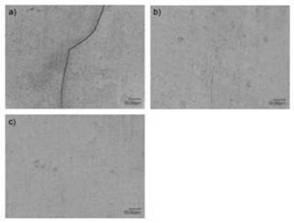
Figure 1 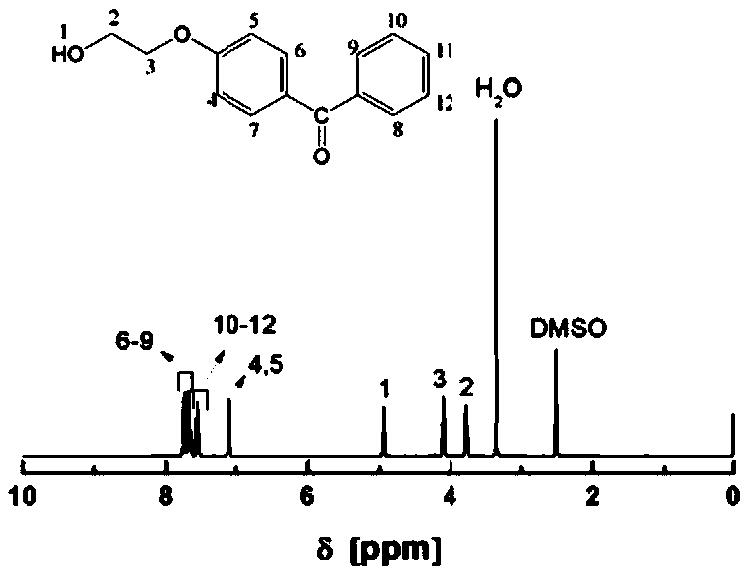
Figure 2 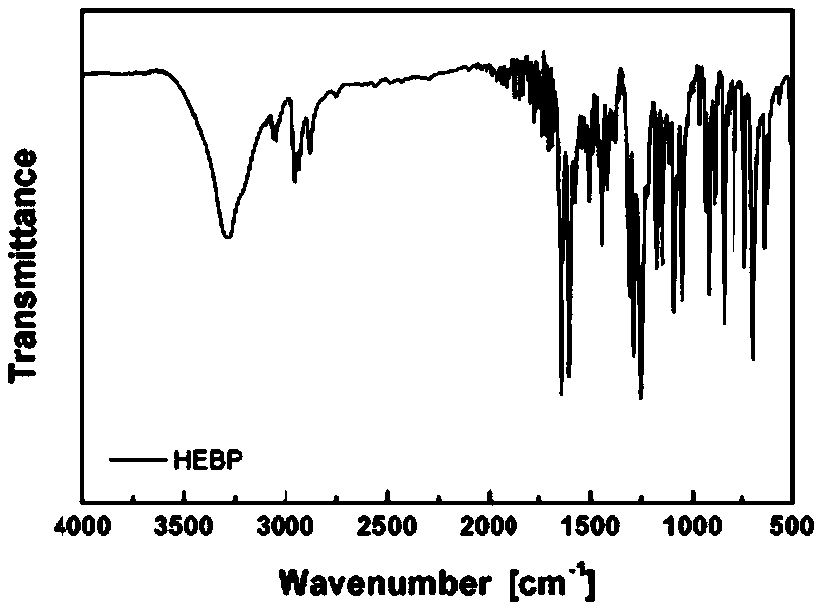
Figure 3
Abstract
Description
technical field
[0001] The invention belongs to the technical field of intelligent polymer materials, and more specifically relates to an intrinsic self-healing and recyclable polyurethane polymer and its preparation method and application. Background technique
[0002] Polymers and their composite materials have the advantages of high specific strength and specific modulus, excellent fatigue resistance, good shock absorption, high overload safety performance, convenient molding, corrosion resistance, excellent electrical insulation performance, etc., overcoming traditional metal and inorganic materials. The limitations of non-metals are widely used in many fields. However, during processing and use, polymer materials will inevitably produce defects such as microcracks, which will easily lead to a decrease in material stability, shorten its service life, and even cause safety hazards. How to improve the service life and stability of polymer materials and achieve high perfor...
Examples
Embodiment 1
[0065] Add 8.0 parts of 4-hydroxybenzophenone into a 150ml three-neck flask with magnetic stirring, add 40 parts of DMF solvent and stir to dissolve, then add 7.4 parts of 2-bromoethanol dropwise at a uniform speed, and then add 12 parts of anhydrous Potassium carbonate was heated to 90°C for 18 hours under nitrogen atmosphere. After the reaction, the mixed solution was filtered to remove the precipitate, poured into distilled water and adjusted to pH = 7, suction filtered and freeze-dried to obtain a white solid of 4-hydroxyethylbenzophenone, the molecular structure of which was shown below. The H NMR and IR spectra of the molecule are shown in figure 2 , 3 .
[0066]
Embodiment 2
[0068] Add 10ml of DMF solution with 5.0 parts of 4-hydroxyethyl benzophenone and 0.2 parts of glacial acetic acid in DMF solution into a quartz colorimetric tube, then add 30.0 parts of isopropanol, and react under a 315nm ultraviolet lamp 6d. After the reaction, the mixed solution was poured into distilled water to precipitate, filtered with suction and freeze-dried to obtain a white powder. Purified by silica gel chromatography, the eluent is petroleum ether / ethyl acetate=1:1 (v / v), the corresponding eluate is collected and the solvent is evaporated under reduced pressure to obtain 1,2-bis(4-(2-hydroxy Ethoxy)phenyl)-1,2-diphenylethane-1,2-diol, the molecular structure is as follows. The H NMR and IR spectra of the molecule are shown in Figure 4 , 5 .
[0069]
Embodiment 3
[0071] Under an argon atmosphere, add 5.0 parts of polytetrahydrofuran PTMEG1000 (number-average molecular weight: 1000) into a 250ml three-necked flask with mechanical stirring, heat up to 60°C to melt PTMEG1000, add 100.0 parts of DMF solvent, 1.1 parts of six sub- Methyl diisocyanate trimer, 1.3 parts of hexamethylene diisocyanate monomer and 0.005 part of dibutyltin dilaurate catalyst, add 1.2 parts of compound obtained by embodiment 2 after reacting 5h at 60 ℃ (due to the benzene ring Steric hindrance, the activity of the hydroxyl group on the C-C bond in the center of aromatic pinacol is very weak, and basically does not participate in the reaction, and the two primary hydroxyl groups at the end actually participate in the polymerization), after reacting at room temperature for 24 hours, add 0.25 parts of triethanolamine to continue the reaction After 12 hours, the cross-linked polyurethane containing aromatic pinacol structure was obtained by precipitation in methanol so...