
An application of ABCC3-013 mRNA in preparation of a kit used for detecting clopidogrel resistance and the kit
A technology of clopidogrel resistance and kit, which is applied to the determination/testing of microorganisms, biochemical equipment and methods, and medical preparations containing active ingredients, etc., which can solve the problem that the mechanism of clopidogrel resistance is not very clear and the lack of clopidogrel Gray resistance markers and other issues
Patent Information
- Authority / Receiving Office
- CN · China
- Patent Type
- Applications(China)
- Current Assignee / Owner
- Publication Date
- 2018-01-05
Smart Images
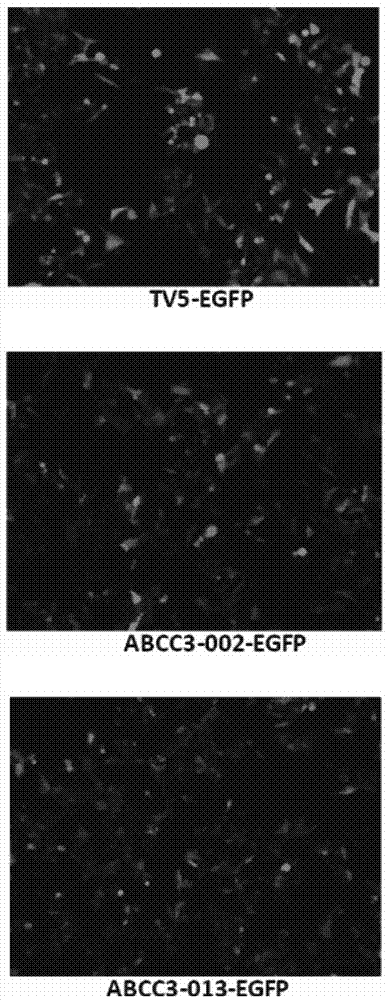
Figure 1 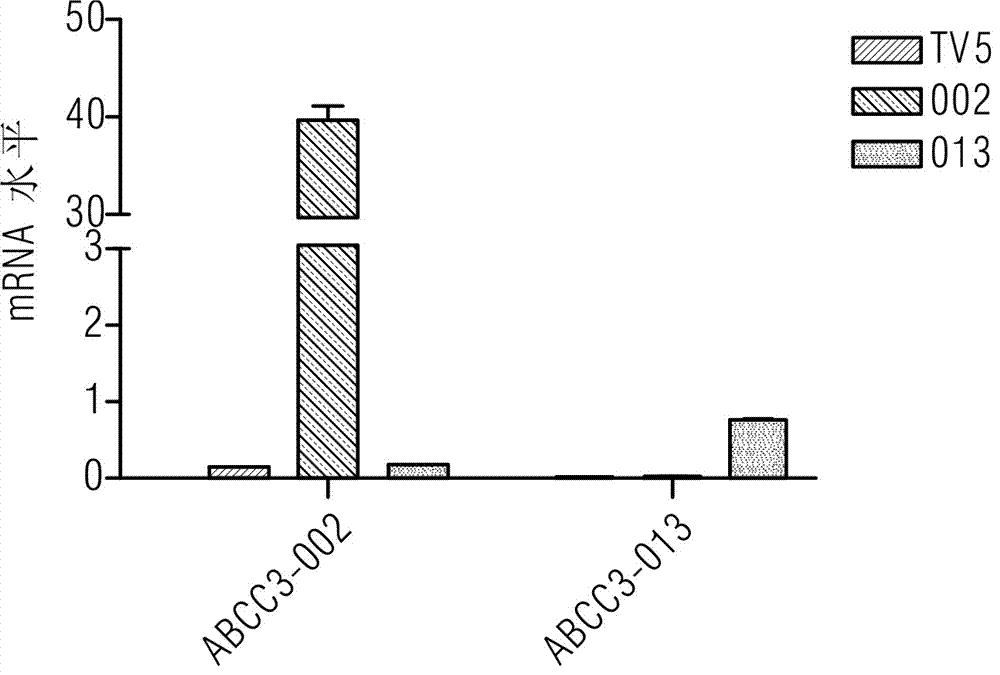
Figure 2 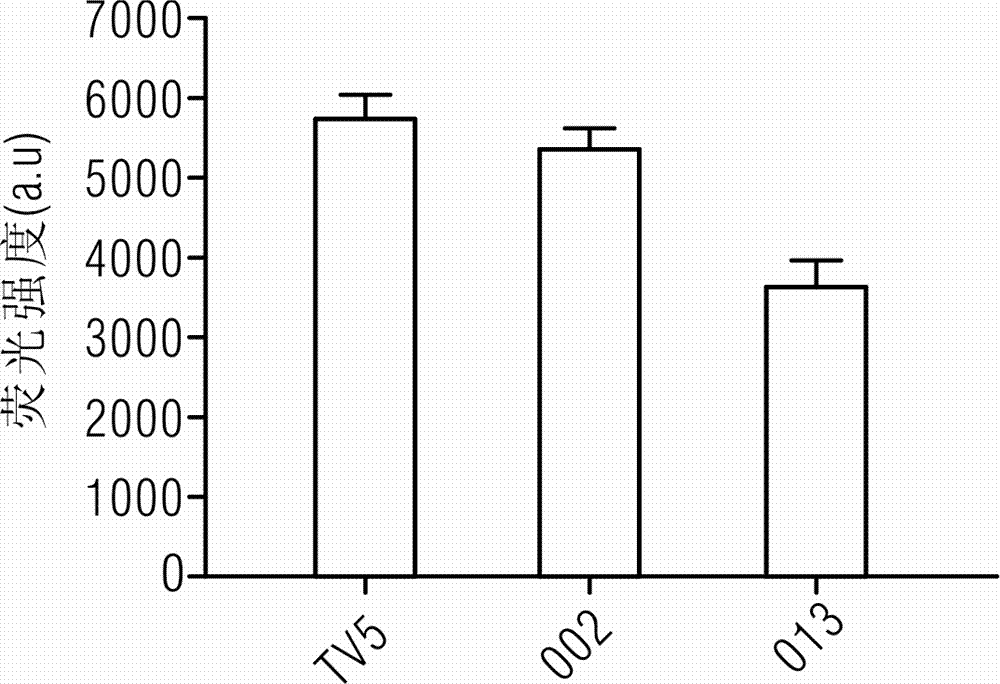
Figure 3
Abstract
Description
technical field
[0001] The invention relates to a kit for detecting drug resistance, in particular to a kit for detecting clopidogrel resistance. Background technique
[0002] As an antiplatelet drug, clopidogrel is the most commonly used drug to prevent stent thrombosis after percutaneous coronary intervention (PCI) implantation of stents in patients with coronary heart disease. It is combined with aspirin to form "dual antiplatelet therapy" The regimen is the "gold standard" antiplatelet therapy regimen for acute coronary syndrome and PCI after stent implantation. Clopidogrel resistance (or tolerance) occurs in 10-40% of patients treated with clopidogrel, showing that the antiplatelet effect of clopidogrel does not meet the expected requirements, resulting in poor efficacy of the drug.
[0003] The existing platelet aggregation test and thromboelastography can evaluate clopidogrel resistance to a certain extent; however, the repeatability of the platelet aggregation test ...
Examples
Embodiment 1
[0020] Example 1: Application of ABCC3-013 mRNA in the preparation of a kit for detecting clopidogrel resistance.
[0021] 1. A kit for detecting clopidogrel resistance, including the following components:
[0023] Chloroform,
[0024] isopropanol,
[0025] DEPC water,
[0026] Oligo dT primer (Oligo dT primer),
[0027] Random 6-nucleotide primers (Random 6-mers),
[0028] reverse transcriptase (PrimeScript TM RT Enzyme Mix),
[0029] RNase-free water (RNase-free dH 2 O),
[0030] Reverse transcription buffer (PrimeScript TM buffer),
[0031] Taq enzyme, dNTPs, Mg 2+ , SYBR Green I (SYBR Premix Ex Taq TM ),
[0032] ROX Reference Dye, and
[0033] Specific primers SEQ ID NO.5 and SEQ ID NO.6 for ABCC3-013 mRNA (nucleotide sequence shown in SEQ ID NO.2).
[0034] 2. How to use the kit
[0035] The peripheral blood RNA of the patient was extracted, and the content of ABCC3-013 mRNA was detected by qRT-PCR, and the specific operation wa...
Embodiment 2
[0062] Example 2: Experimental research.
[0063] ABCC3-013 mRNA is a non-wild-type mRNA splicing variant of ABCC3 gene due to abnormal mRNA splicing caused by point mutations. In the following experiments, ABCC3-002 mRNA, another splice variant of the ABCC3 gene, was used as a control to examine the biological activity of ABCC3-013 mRNA.
[0064] 1. Cell culture: HepG2 cells were cultured in high-glucose DMEM medium containing 10% inactivated fetal bovine serum, 50 U / ml penicillin and 50 μg / ml streptomycin, at 37°C and 5% CO in saturated humidity 2 Incubator cultivation.
[0065] 2. Plasmid construction.
[0066] Method: ABCC3-002 (SEQ ID NO.1) and ABCC3-013 (SEQ ID NO.2) fragments were chemically synthesized, fragments ABCC3-002-EGFP and ABCC3-013-EGFP containing EGFP were synthesized, and random fragments were synthesized as a control group, the synthetic fragments were cloned into the TV5 vector. The recombinant vectors were named TV5, ABCC3-002, ABCC3-013, TV5-EGFP, A...