
Aryl hydrocarbon receptor nuclear translocator (ARNT)-novel marine organism pollution detection marker
A technology of aromatic hydrocarbon receptors and translocation proteins, applied in the determination/testing of microorganisms, biochemical equipment and methods, DNA preparation, etc.
Patent Information
- Authority / Receiving Office
- CN · China
- Patent Type
- Applications(China)
- Current Assignee / Owner
- Publication Date
- 2019-02-05
- Estimated Expiration
- Not applicable · inactive patent
Smart Images
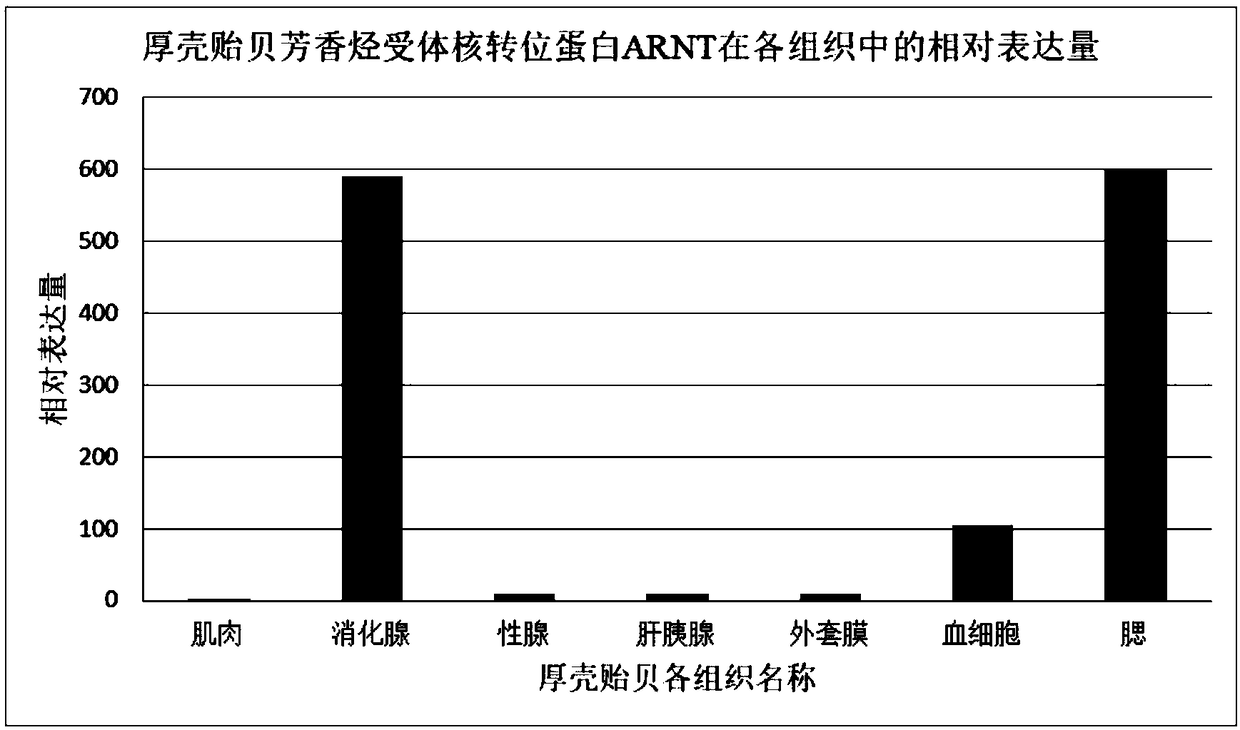
Figure 1 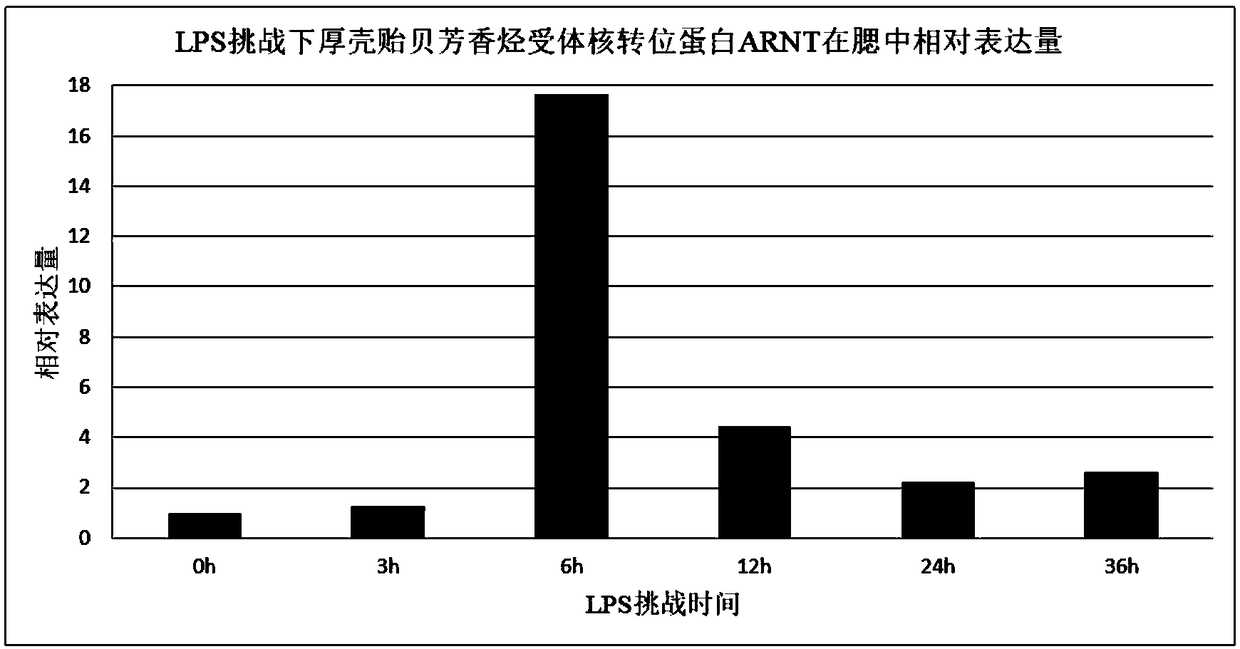
Figure 2 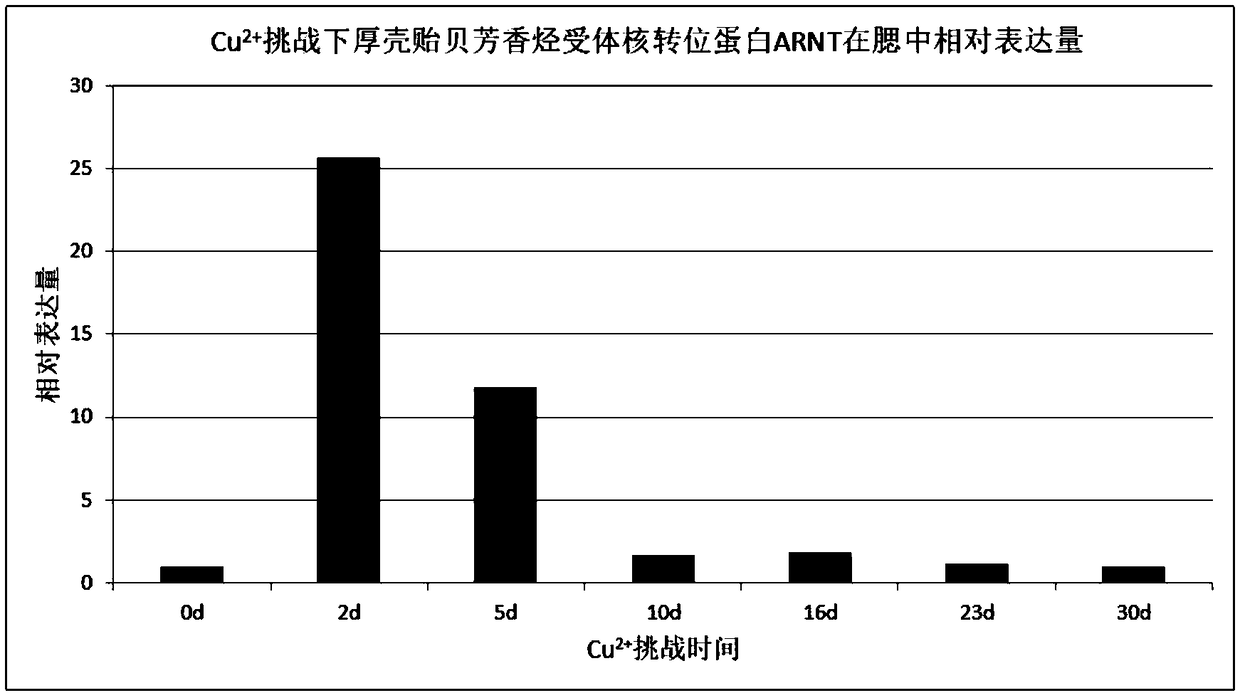
Figure 3
Abstract
Description
technical field
[0001] The invention belongs to the technical field of molecular biology, and in particular relates to an aromatic hydrocarbon receptor nuclear translocation protein ARNT, a novel detection marker for marine biological pollution. Background technique
[0002] Thick-shelled mussel (Mytilus coruscus) (Mytilidae) is one of the fastest growing marine bivalve molluscs, widely distributed in the Yellow Sea, the Korean Peninsula and Hokkaido, Japan. Because of its rich nutrition and delicious taste, it is widely welcomed by the large-scale farming market and popularity in China, which has the largest production of marine shellfish. In recent years, marine environmental pollution in China's waters has shown an intensifying trend. Furthermore, as a lower species, the thick-shelled mussel lacks an adaptive immune system, which induces vulnerability to external stimuli. This mussel species is hit by diseases produced by viruses, bacteria and even severe psychoactive a...
Examples
Embodiment 1
[0044] The fragment size of aryl hydrocarbon receptor nuclear translocator ARNT of mussel mussels is 2043bp, encoding a total of 681 amino acids.
[0045] The cloning method of the aromatic hydrocarbon receptor nuclear translocation protein ARNT of the thick shell mussel, including: preparing samples, extracting total RNA, synthesizing the first strand of cDNA, cloning the core sequence, cloning the full-length sequence, cloning and sequence analysis of PCR products and biological For informatics analysis, the degenerate primers for PCR amplification of the cloned core sequence are:
[0046] ARNT 01F: 5′-TGTACCGGGCCCATCAAAGCTTGGCC-3′ and
[0047] ARNT 02R: 5′-CACGTCTGACTAAGGAGGCTGAAA-3′, the length of the primers for PCR amplification of the core fragment, the difference between the length of the upstream and downstream primers is more suitable for the amplification of the PCR reaction, and the T of the upstream and downstream primers m The difference between the values is ...
Embodiment 2
[0091] As a further optimization of Example 1, the cloning method of the mussel aromatic hydrocarbon receptor nuclear translocation protein ARNT specifically includes the following steps:
[0092] (1) Prepare samples:
[0093] The average individual weight of thick-shelled mussels is 60.15g, the average width of the shell under healthy conditions is 4.5cm, and the average shell height is 9.1cm. It comes from the Dongji Island Aquaculture Base (Zhoushan City, Zhejiang Province, China), and the filtered seawater is kept during the breeding period. Continue to oxygenate and cultivate at a temperature of 24-25°C and a pH value of 8.0.
[0094] (2) LPS and Cu 2+ challenge:
[0095] 1) LPS challenge: For LPS challenge, 80 adult thick-shelled mussels were randomly divided into two groups, one group of 40 individuals (control group) was injected with PBS (pH7.4) for adductor muscles and the other group of 40 individuals (Challenge group) to conduct LPS challenge. Challenged mussel...