
Wound nursing dressing containing hyaluronic acid
A hyaluronic acid and wound care technology, applied in medical science, bandages, absorbent pads, etc., can solve the problems of unmentioned molecular weight and complex components, and achieve the effect of promoting scar-free healing, simple components, and accelerated anti-infection.
- Summary
- Abstract
- Description
- Claims
- Application Information
AI Technical Summary
Problems solved by technology
Method used
Image

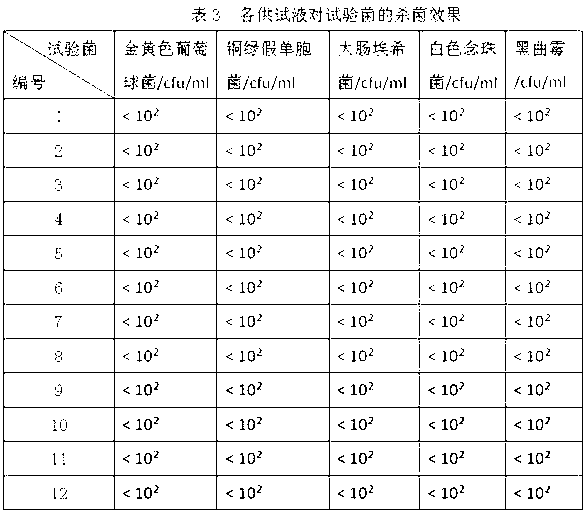
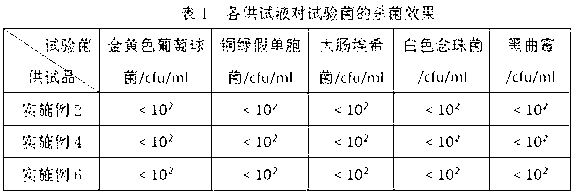
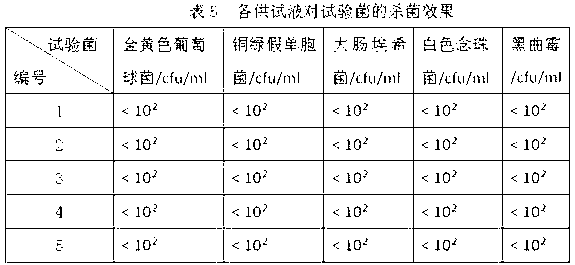
Examples
Embodiment 1
[0034] Preparation of gel: under rapid stirring, slowly add 1.5 g of low molecular weight (molecular weight: 8,000 daltons) sodium hyaluronate into an appropriate amount of purified water, and then add high molecular weight (molecular weight: 2,000,000 daltons) hyaluronic acid Slowly add 1.0 g of sodium, and after fully dissolving, add 0.1 g of silver nitrate and stir to dissolve it. Add 5.0 g of polyethylene glycol, supplement with purified water to 100 g, and mix well. Filling, sterilization processing products.
Embodiment 2
[0036] Preparation of gel: under rapid stirring, slowly add 1.5 g of low molecular weight (molecular weight: 50,000 daltons) sodium hyaluronate into an appropriate amount of purified water, and then add high molecular weight (molecular weight: 1.5 million daltons) hyaluronic acid Slowly add 1.0 g of sodium, and after fully dissolving, add 0.05 g of silver nitrate and stir to dissolve it. Add 5.0 g of polyethylene glycol, supplement with purified water to 100 g, and mix well. Filling, sterilization processing products.
Embodiment 3
[0038] Preparation of gel: under rapid stirring, slowly add 1.0 g of low molecular weight (molecular weight: 300,000 daltons) sodium hyaluronate into an appropriate amount of purified water, and then add high molecular weight (molecular weight: 1,200,000 daltons) hyaluronic acid Slowly add 1.5 g of sodium, and after fully dissolving, add 0.01 g of silver nitrate and stir to dissolve it. Add 5.0 g of polyethylene glycol, supplement with purified water to 100 g, and mix well. Filling, sterilization processing products.
PUM
| Property | Measurement | Unit |
|---|---|---|
| molecular weight | aaaaa | aaaaa |
| molecular weight | aaaaa | aaaaa |
Abstract
Description
Claims
Application Information
 Login to View More