
Sudoku based fine motion estimation data reading method
A motion estimation and data reading technology, applied in the fields of digital video signal modification, electrical components, image communication, etc., can solve the problems of low read and write efficiency, DDR2SDRAM memory consumes a lot of time, large data volume and irregular inter-line operation, etc.
- Summary
- Abstract
- Description
- Claims
- Application Information
AI Technical Summary
Problems solved by technology
Method used
Image

Examples
Embodiment Construction
[0025] The present invention is based on the Jiugongge fine motion estimation data reading method, comprises the following steps:
[0026] Step 1, the method of reading macroblocks accessed in a fixed order:
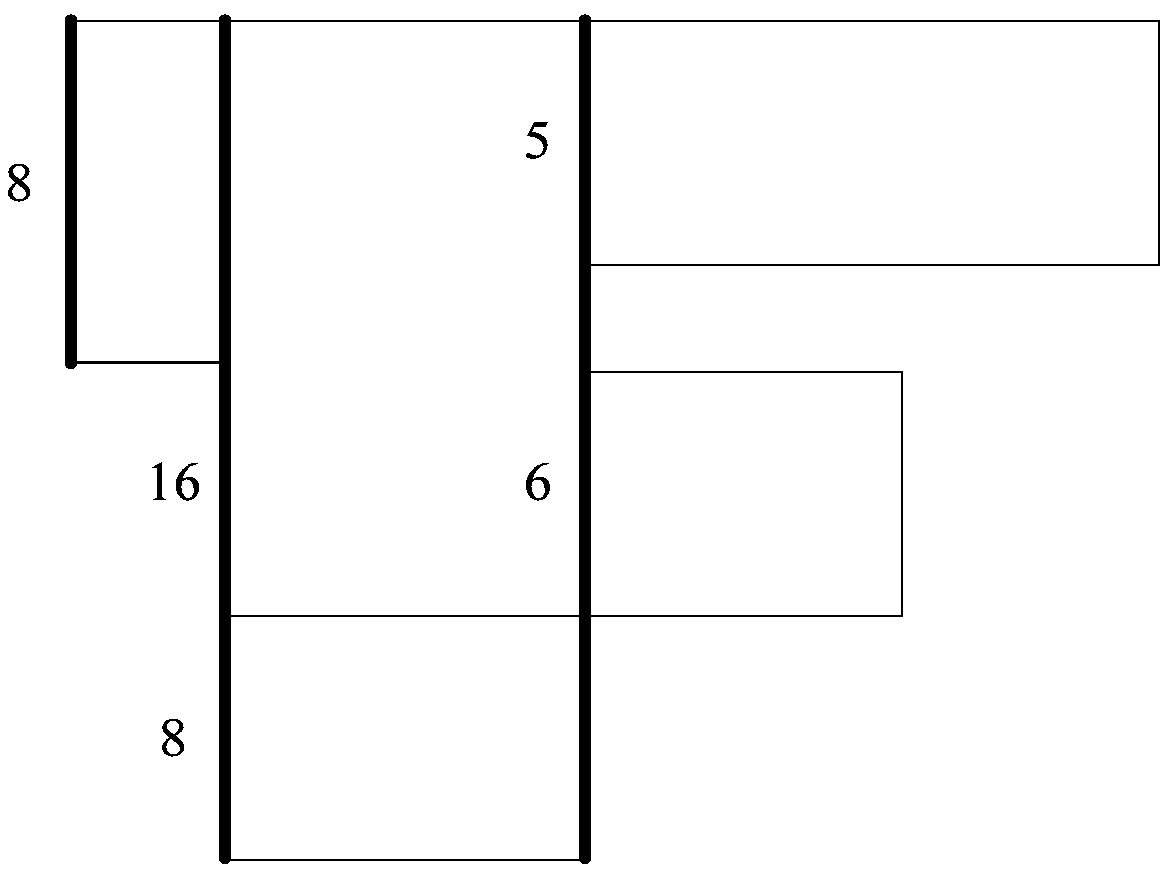
[0027] Due to the continuity of the image in the frame, the image macroblocks (each macroblock has 16 rows and 2 columns of pixel data) accessed in a fixed order during encoding can be used for address prediction and hit judgment. In order to improve the reading and writing efficiency of off-chip DDR2SDRAM, a read macroblock request can continuously read the data of 4 macroblocks from off-chip, and only need to latch the address once every 4 requests. Since the addresses are continuous, the base address range of each macroblock can be calculated in advance;
[0028] Two sets of on-chip DPRAM are used to cache brightness and chrominance data. The brightness data is stored continuously in the off-chip DDR2SDRAM according to the start address of a frame of images, and the ...
PUM
 Login to View More
 Abstract
Description
Claims
Application Information
 Login to View More