
Biosynthesis method of compound balanol and gene cluster thereof
A technology for biosynthesis and chemical compounds, applied in the fields of biochemical equipment and methods, plant genetic improvement, chemical instruments and methods, etc., which can solve the problem of undetected products, etc.
- Summary
- Abstract
- Description
- Claims
- Application Information
AI Technical Summary
Problems solved by technology
Method used
Image

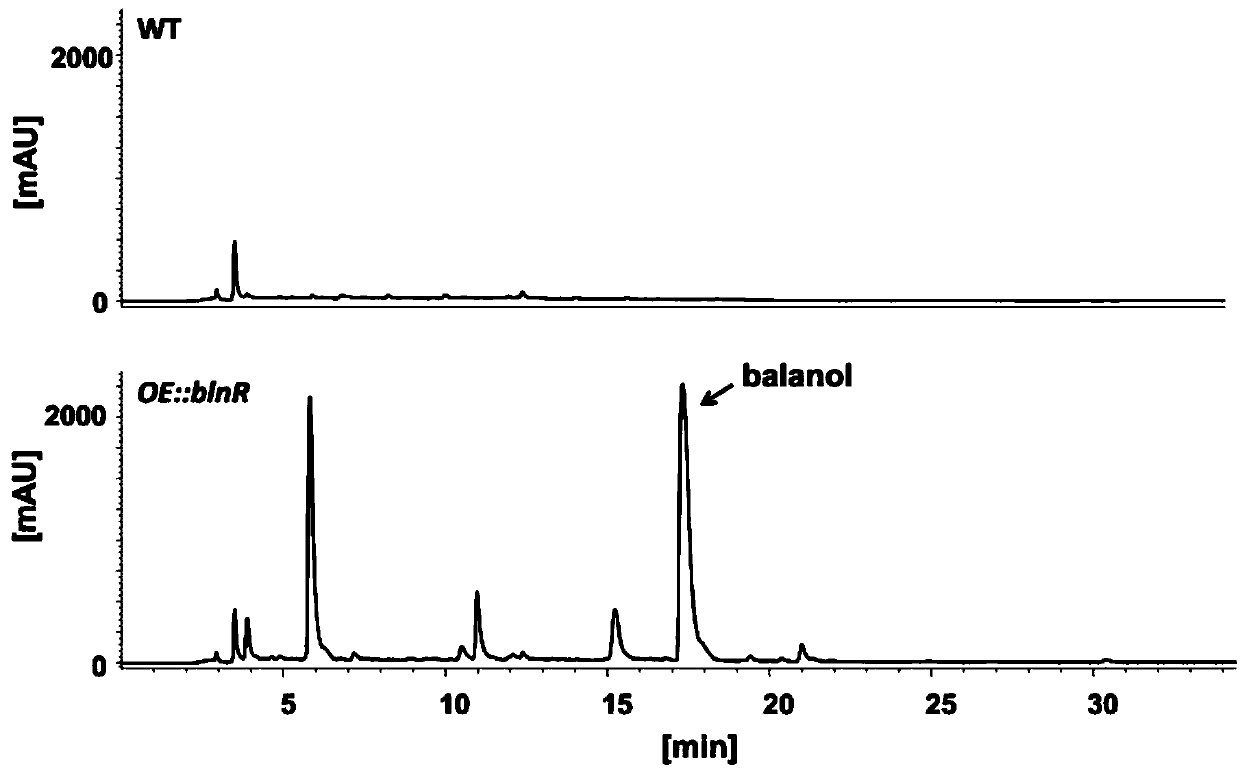
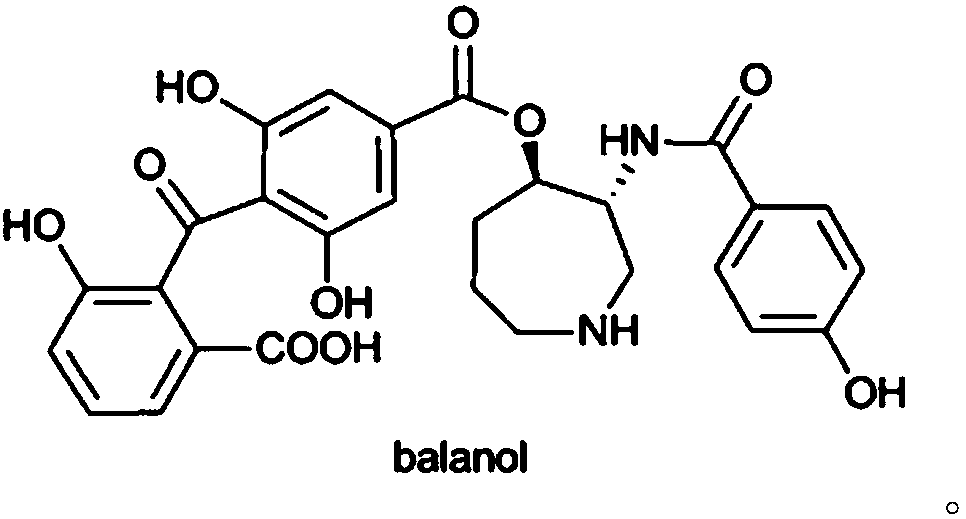
Examples
Embodiment 1
[0042] Taking this method to activate balanol biosynthesis in Cordyceps macrocystis as an example, the specific implementation steps are as follows:
[0043] 1) Analyze and obtain the PKS-NRPS hybrid gene cluster containing the Zn2Cys2 family transcription factor AflR analog gene blnR in the genome sequence of the Cordyceps magnum strain, and obtain the gene by PCR cloning. The cloned blnR gene DNA fragment (its base sequence is as follows: Shown in SEQ ID NO: 1) was connected into the pFG vector containing pTEF strong promoter and kanamycin resistance gene (neo) and chlorimuron-methyl resistance gene (SUR), to obtain plasmid pTblnR;
[0044] 2) Transform the plasmid into Agrobacterium tumefaciens EHA105 by electrotransformation, select for streptomycin (Str) and kanamycin resistance, culture at 28°C for 2 days, and obtain positive recombinant Agrobacterium ApTblnR by colony PCR identification ;
[0045] 3) Inoculate the positive recombinant Agrobacterium ApTblnR monoclonal i...
PUM
 Login to View More
 Abstract
Description
Claims
Application Information
 Login to View More