Building and application of optimization and regulation model of facility carbon dioxide target value of fusion efficiency constraint

A carbon dioxide and target value technology, applied in design optimization/simulation, applications, special data processing applications, etc., can solve problems such as decreased utilization rate, reduced efficiency of CO2 supplementation, and no consideration

CN108256181AActive Publication Date: 2018-07-06NORTHWEST A & F UNIV
5 Cites 12 Cited by

Patent Information

Authority / Receiving Office
CN · China
Current Assignee / Owner
Publication Date
2018-07-06

Smart Images

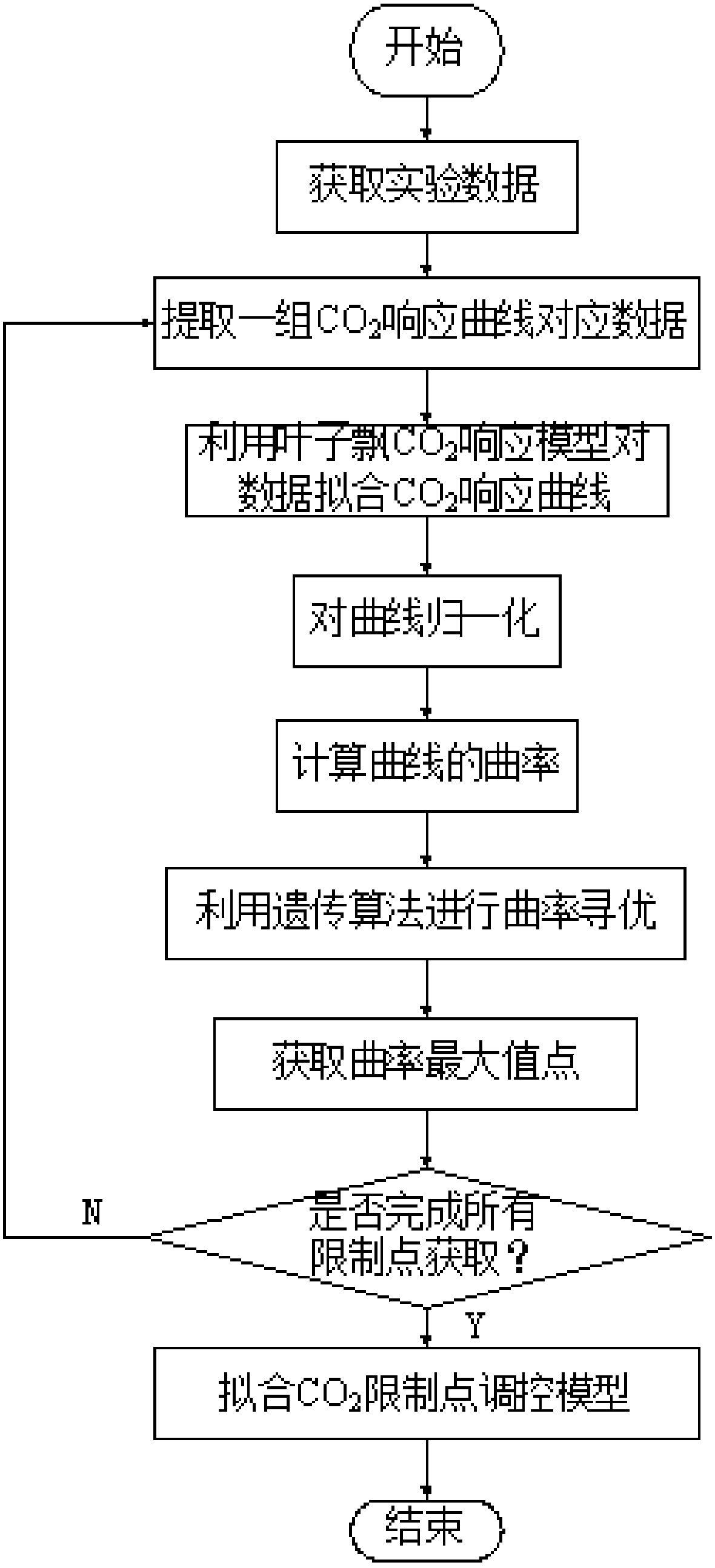
  • Figure 1
    Figure 1
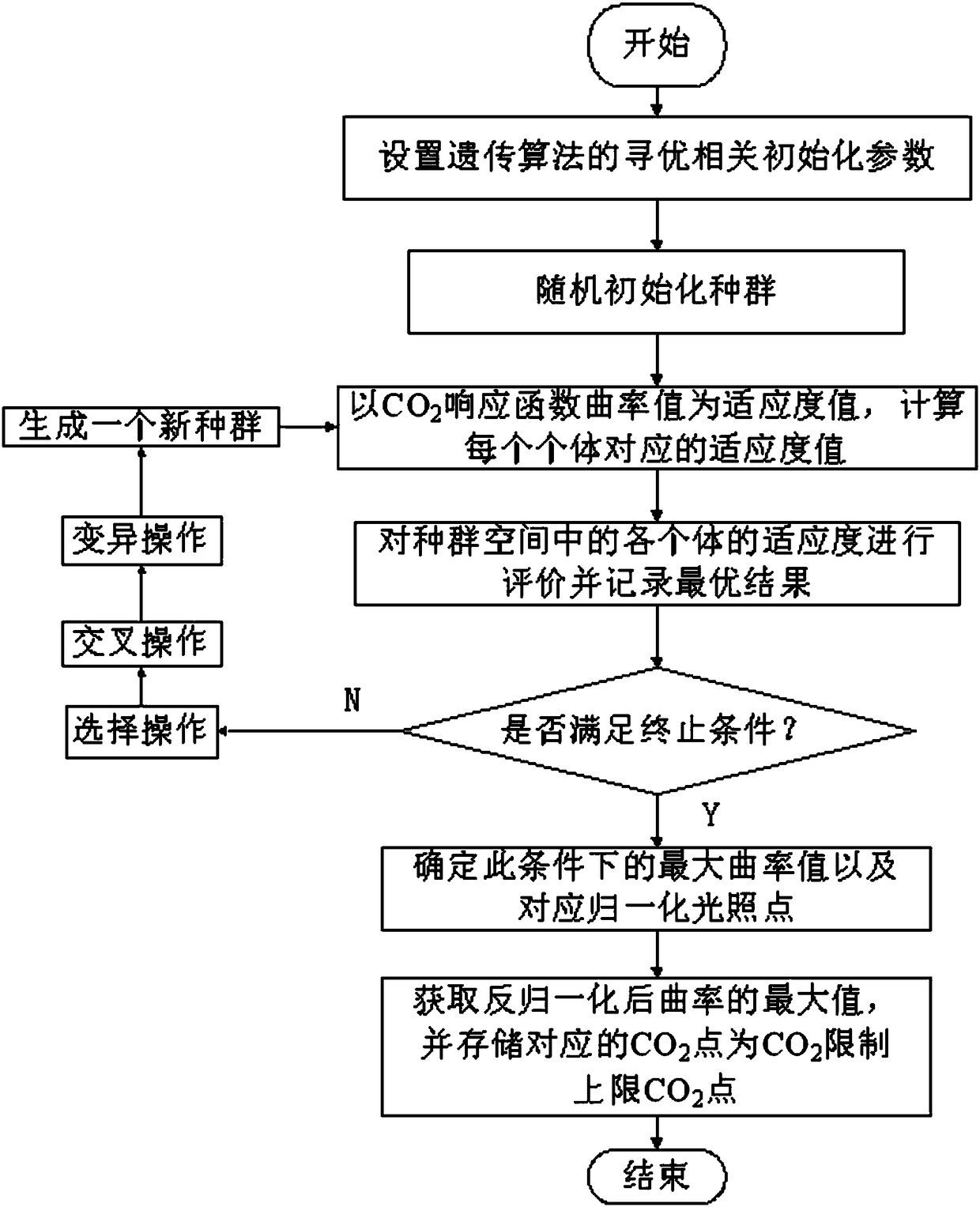
  • Figure 2
    Figure 2
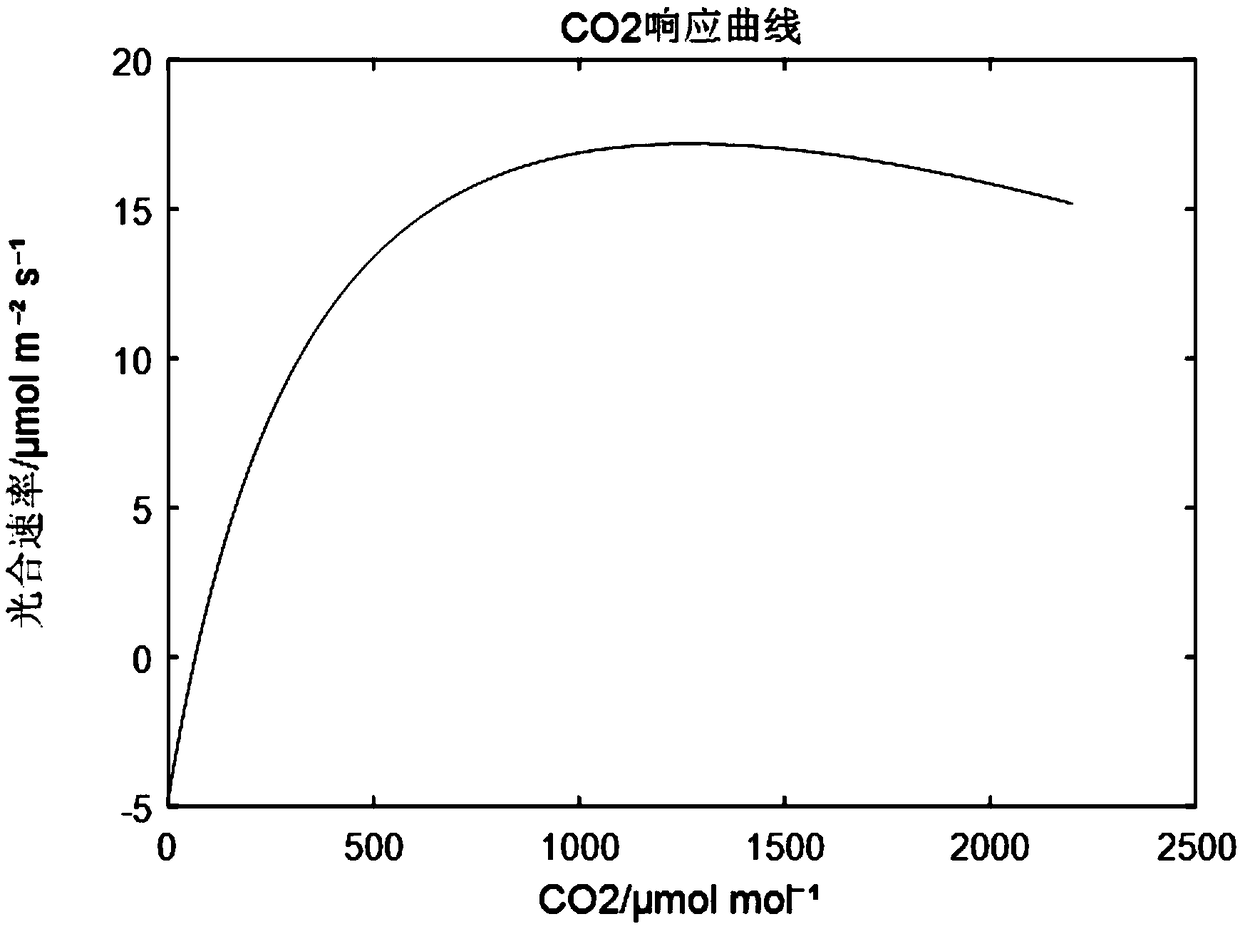
  • Figure 3
    Figure 3
Patent Text Reader

Abstract

The invention provides a building method of an optimization and regulation model of a facility CO2 target value of fusion efficiency aiming at the problem that the production efficiency is low since amulti-factor coupling CO2 target value regulation model of a facility environment regulation system is lack of research and fusion regulation efficiency. Through a multi-factor coupling embedding test with illumination strength, the environment temperature and the CO2 concentration being variables, a photosynthesis data sample of tomato seedlings is obtained, a CO2 response right angle double-curve correction model is built, through a curve curvature theory, a CO2 limiting upper limit CO2 value at different temperatures and different light intensities is obtained, and with the CO2 limiting upper limit CO2 value being a regulation target value, fitting is conducted to obtain a tomato seedling CO2 environment regulation model of the fusion efficiency constraint at different temperatures anddifferent light intensities. By means of the model, compared with a traditional model with the maximum photosynthesis speed point being the regulation target value, the photosynthesis speed is lowered by only 7.27% on average, the needed CO2 amount is lowered by 37.55% on average, the basic theoretical problem of efficient facility crop environment regulation can be solved, and the model has guidance significance on actual facility environment factor regulation.
Need to check novelty before this filing date? Find Prior Art

Description

technical field

[0001] The invention belongs to the technical field of intelligent agriculture, and in particular relates to the construction and application of an optimal control model for facility carbon dioxide target value integrated with efficiency constraints. Background technique

[0002] Tomato is one of the main crops cultivated in greenhouses in the world, and the photosynthetic rate directly affects the yield and quality of tomato. CO 2 It is the main raw material for the accumulation of photosynthetic substances in plants. It plays a very important role in regulating the growth and development of crops. It is one of the indispensable factors in the process of plant growth. It is vividly called "air fertilizer". Excessively high levels have an important impact on the growth rate, yield and quality of crops. If CO 2 Insufficient supply can directly affect the photosynthetic effect, causing problems such as flower and fruit shedding, sugar content decrease, growt...

Examples

Embodiment Construction

[0036] The implementation of the present invention will be described in detail below in conjunction with the drawings and examples.

[0037] The present invention is a facility CO that integrates efficiency constraints 2 The construction process of the target value optimization regulation model is as follows:

[0038] 1. Experimental program design

[0039] This experiment was carried out in the Agricultural Machinery Laboratory of Northwest A&F University from August 2017 to October 2017. The tomato seedlings were cultured in the MD1400 incubator produced by Sinder Company in the Netherlands. The incubator created a suitable growth environment for the tomato seedlings. Batches of tomato seedlings were grown in the solar greenhouse using nutrient matrix plugs and carried out conventional cultivation and management. The cycle was one month. The tomato seedlings with basically the same growth and robustness were selected for the experiment. The modules of the Li-6800 photosynt...