Construction method of HAFFT1 cells

A construction method and cell technology, applied in the biological field, can solve the problem of not considering the self-protection technology of T cells, and achieve the effects of unrestricted killing ability, strong target specificity and high safety.

CN110157745AActive Publication Date: 2019-08-23BEIJING DCTY BIOTECH CO LTD +1
5 Cites 1 Cited by

Patent Information

Authority / Receiving Office
CN · China
Patent Type
Applications(China)
Current Assignee / Owner
Publication Date
2019-08-23

Smart Images

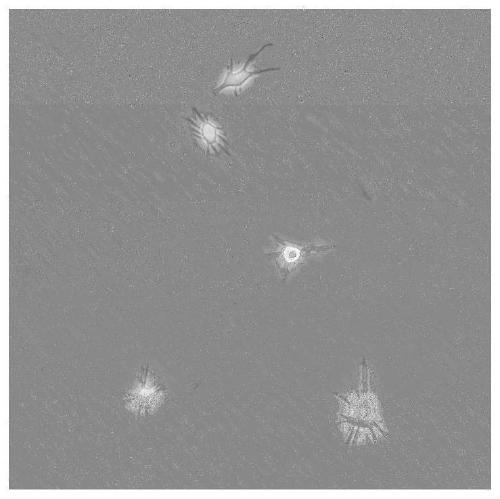
  • Figure 1
    Figure 1
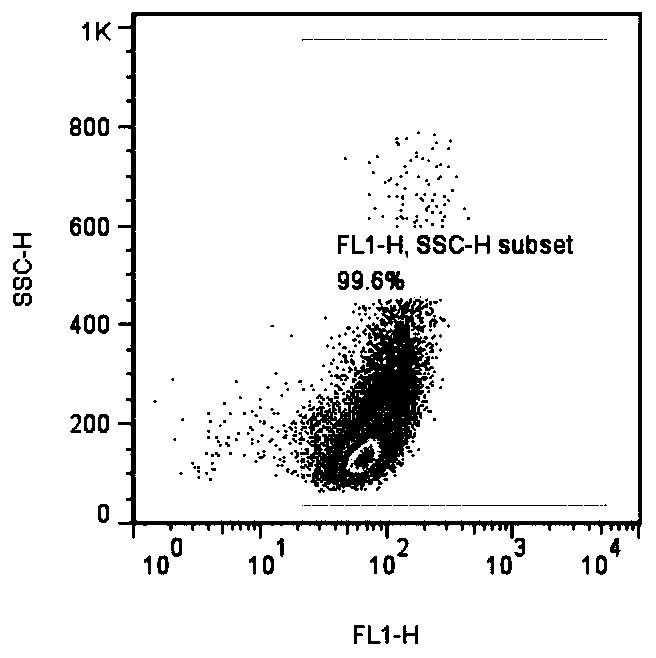
  • Figure 2
    Figure 2
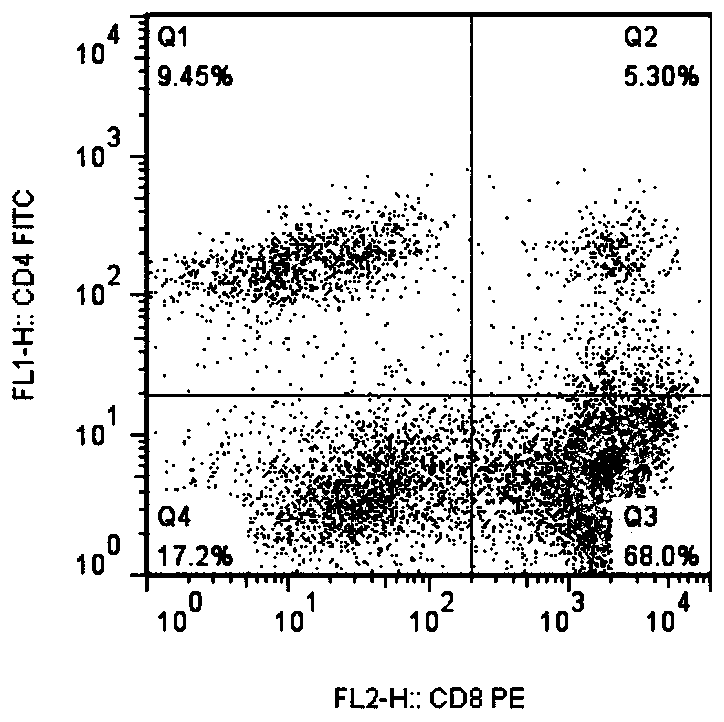
  • Figure 3
    Figure 3
Patent Text Reader

Abstract

The invention belongs to the field of biotechnology, and particularly relates to a construction method of HAFFT1 cells. According to the method, small-molecule-modified polypeptide-stimulated cells are modified through a TCR-T technology. The modified T cells are subjected to immunosuppressive target pot knockout, specific killer T cells are accurately protected and prevented from inhibition in vivo, and the killing ability of the T cells to cancer cells is improved. The proportion of specific T cells (TCR+) recognizing tumor antigens is more than 80% in the HAFFT1 modified cells.
Need to check novelty before this filing date? Find Prior Art

Description

[0001] Technical field:

[0002] The invention belongs to the field of biotechnology, and in particular relates to a method for constructing HAFFT1 cells.

[0003] Background technique:

[0004] At present, in terms of tumor-specific immunotherapy, the existing LAK, DC, CIK, and DC-CIK cells and methods have basically been proved to be ineffective, while NK, CAR-NK, TIL and other cell technologies have yet to mature. CAR- T cells also have shortcomings in safety and solid tumor therapy.

[0005] In the prior art, DCs are generally modified to present T cells to produce specific killing. Some laboratories are trying to use viruses as vectors to transfect and present T cells to induce specific killing of T cells. We have also used mutant hybrid peptides to directly stimulate PBMCs to induce T cells. There are also laboratories using TCR-T technology to target the presentation of MAGE A3 antigen.

[0006] The above treatment methods are immature, especially the in vitro induct...

Examples

Embodiment 1

[0059] This example will take lung cancer patients as an example to provide targeted HAFFT1 cells and their preparation methods:

[0060] 1. Whole Exome Sequencing

[0061] 1) Take peripheral blood from lung cancer patients for ctDNA sequencing and HLA typing;

[0062] 2) Use software to analyze the sequencing information: compare the ctDNA sequencing results with the genome of normal cells, and screen out the mutation sites;

[0063] 2. Epitope prediction

[0064] 1) Take the mutated amino acid site as the center, extend 8 amino acids to both sides, and use this 17-amino acid polypeptide as a "potential antigenic epitope";

[0065] 2) Use prediction software to analyze the IC50 of the potential antigenic epitope (recommended software: NetMHCpan 3.0, PickPocket, artificial neural networks (ANN)), if IC50<1000nM, the potential antigenic epitope is considered as "antigenic epitope";

[0066] 3. Synthetic peptides

[0067] Entrust a technical service company to synthesize a m...