
System for interaction of navigation and connectivity programs and personal information management applications
a technology of personal information management and navigation applications, applied in the field of location-based services, can solve the problems of virtually no existing interaction between navigation applications and personal information management and connectivity applications, and achieve the effects of reducing the complexity involved in using such programs, quick and easy interaction, and improving access to such programs
- Summary
- Abstract
- Description
- Claims
- Application Information
AI Technical Summary
Benefits of technology
Problems solved by technology
Method used
Image

Examples
Embodiment Construction
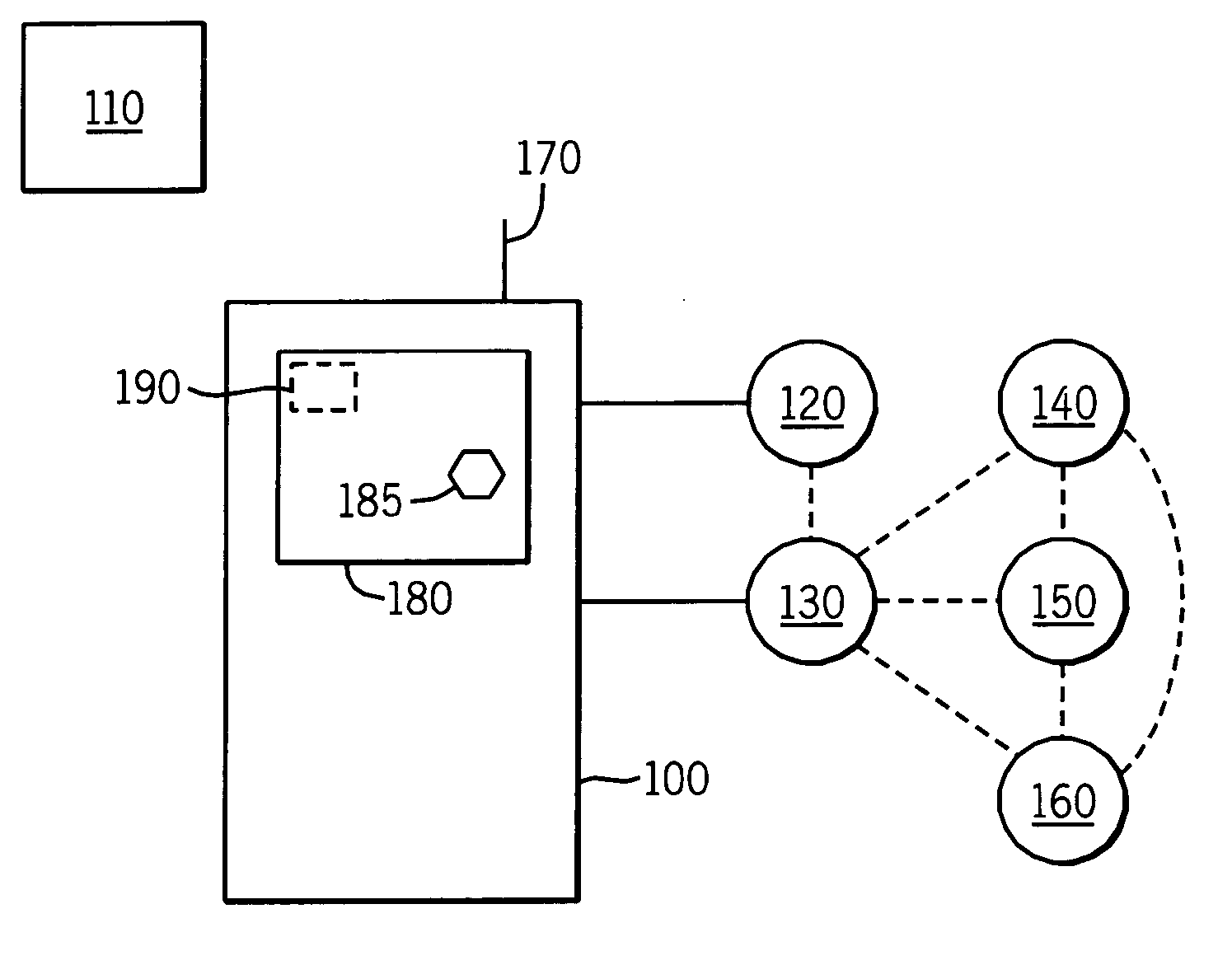
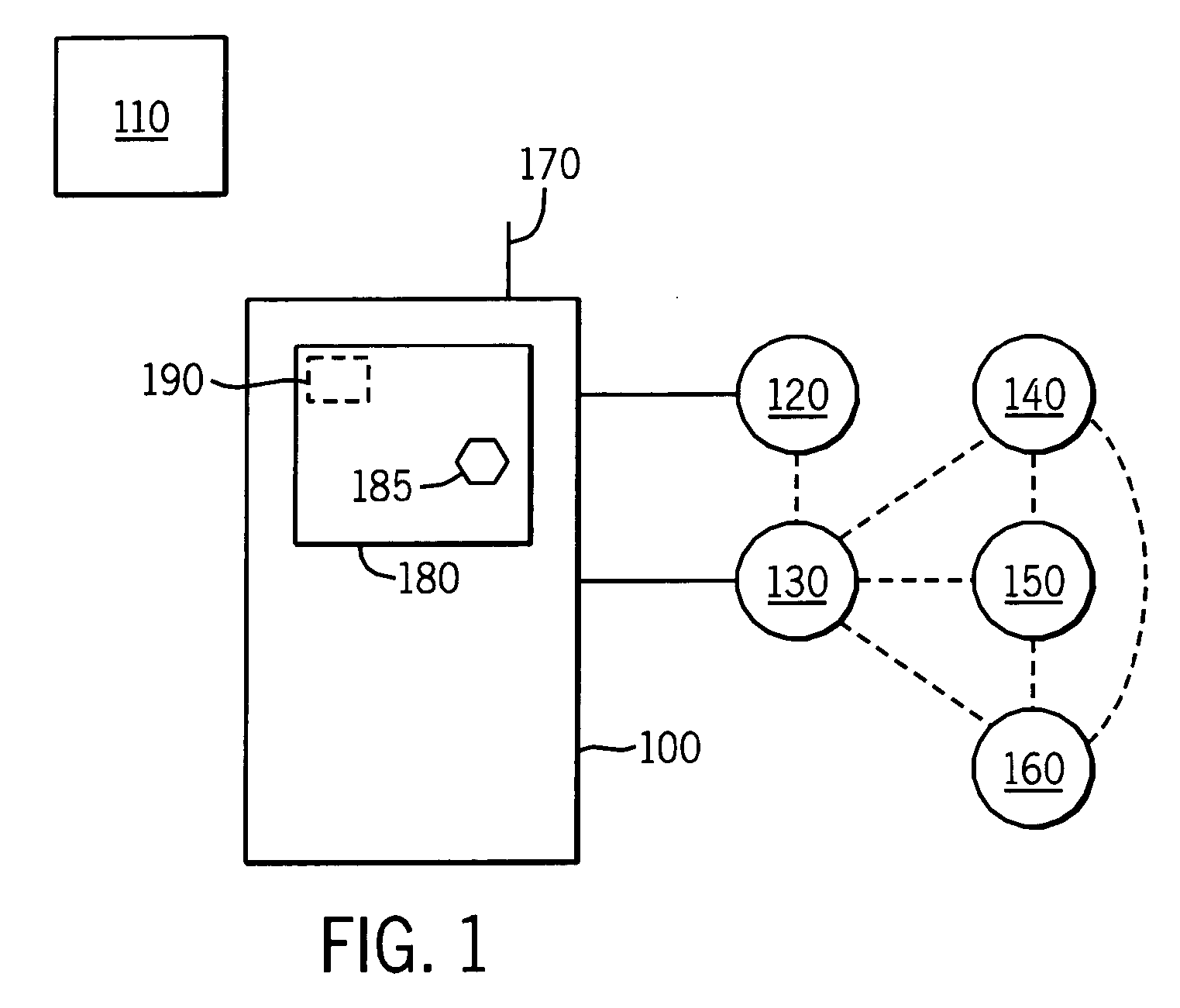
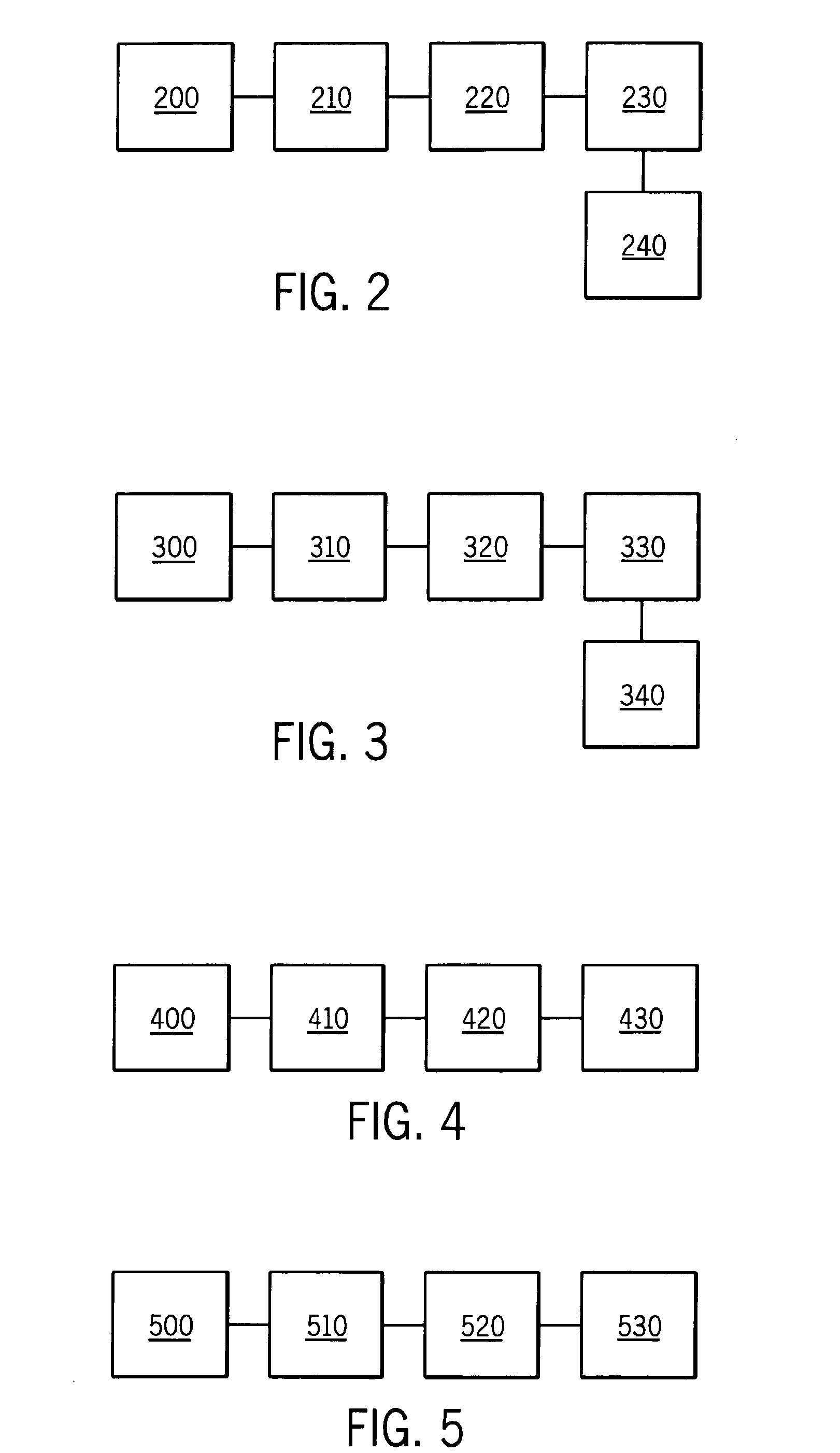
[0012] The present invention comprises a system and method for automatically associating navigation, personal information management, and connectivity applications to provide a simple method for initiating navigation functions in an electronic device. FIG. 1 discloses a generic electronic device at 100. The electronic device 100 can take a variety of forms, including, but not limited to, a portable telephone, a personal digital assistant, a small personal computer, or other products. The electronic device includes a processor 120 for processing information, as well as a memory unit 130 for storing the programs necessary for implementing the present invention. The processor 120 and the memory unit 130 are either directly or indirectly operatively connected to each other so that the processor 120 can process the programs stored in the memory unit 130. The electronic device 100 also includes a display 180, which can be used to exhibit graphics, alphanumeric characters, as well as compu...
PUM
 Login to View More
 Abstract
Description
Claims
Application Information
 Login to View More