Systems and methods for detecting email spam and variants thereof

a technology of system and method, applied in the field of computer security systems and methods, can solve the problems of spammers getting sophisticated, email is constantly being threatened by unsolicited spam emails, and ip reputation becoming less effective in these scenarios

US20120227104A1Active Publication Date: 2012-09-06ZSCALER INC
2 Cites 52 Cited by

Patent Information

Authority / Receiving Office
US · United States
Patent Type
Applications(United States)
Current Assignee / Owner
Publication Date
2012-09-06

Smart Images

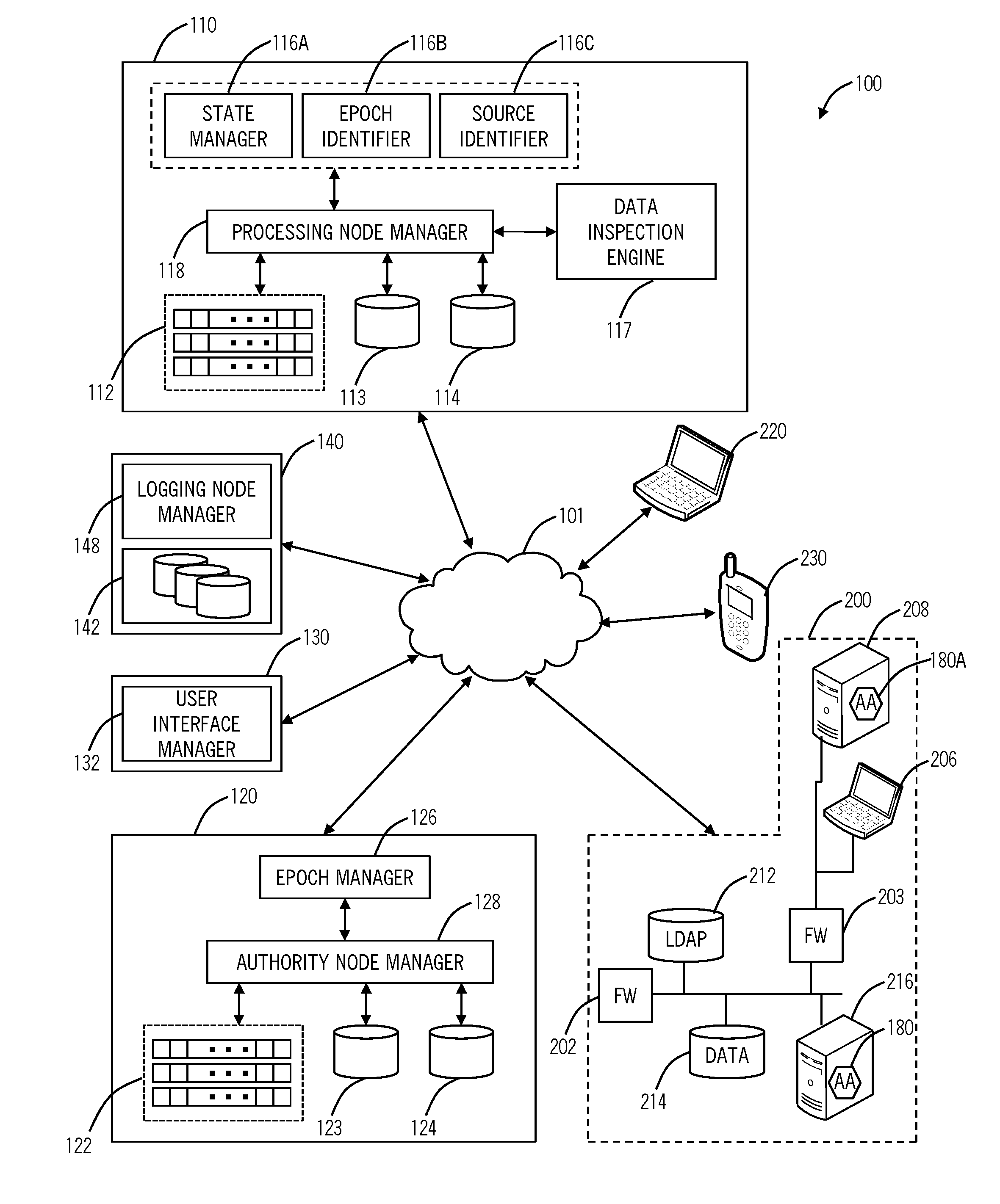
  • Figure 1
    Figure 1
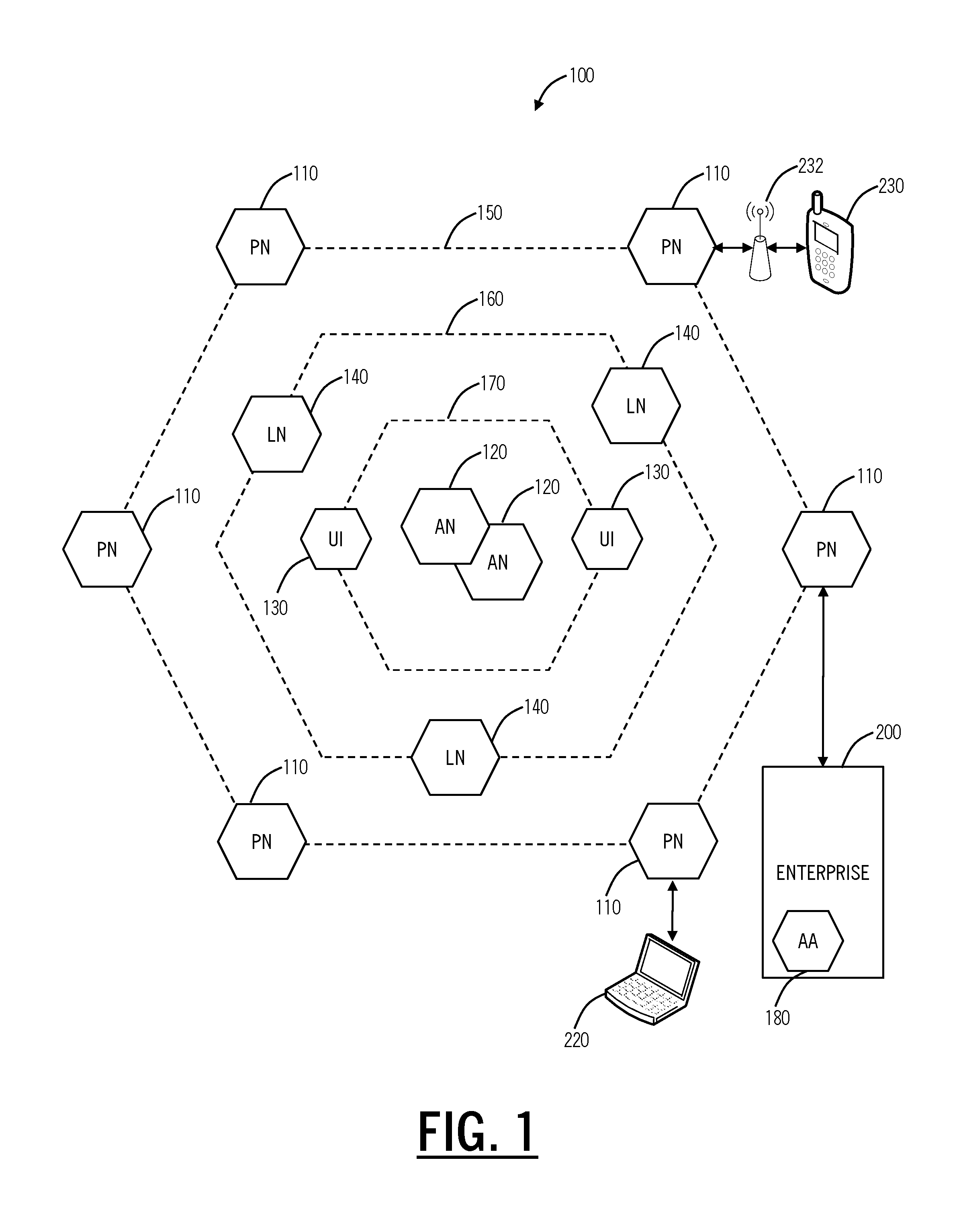
  • Figure 2
    Figure 2
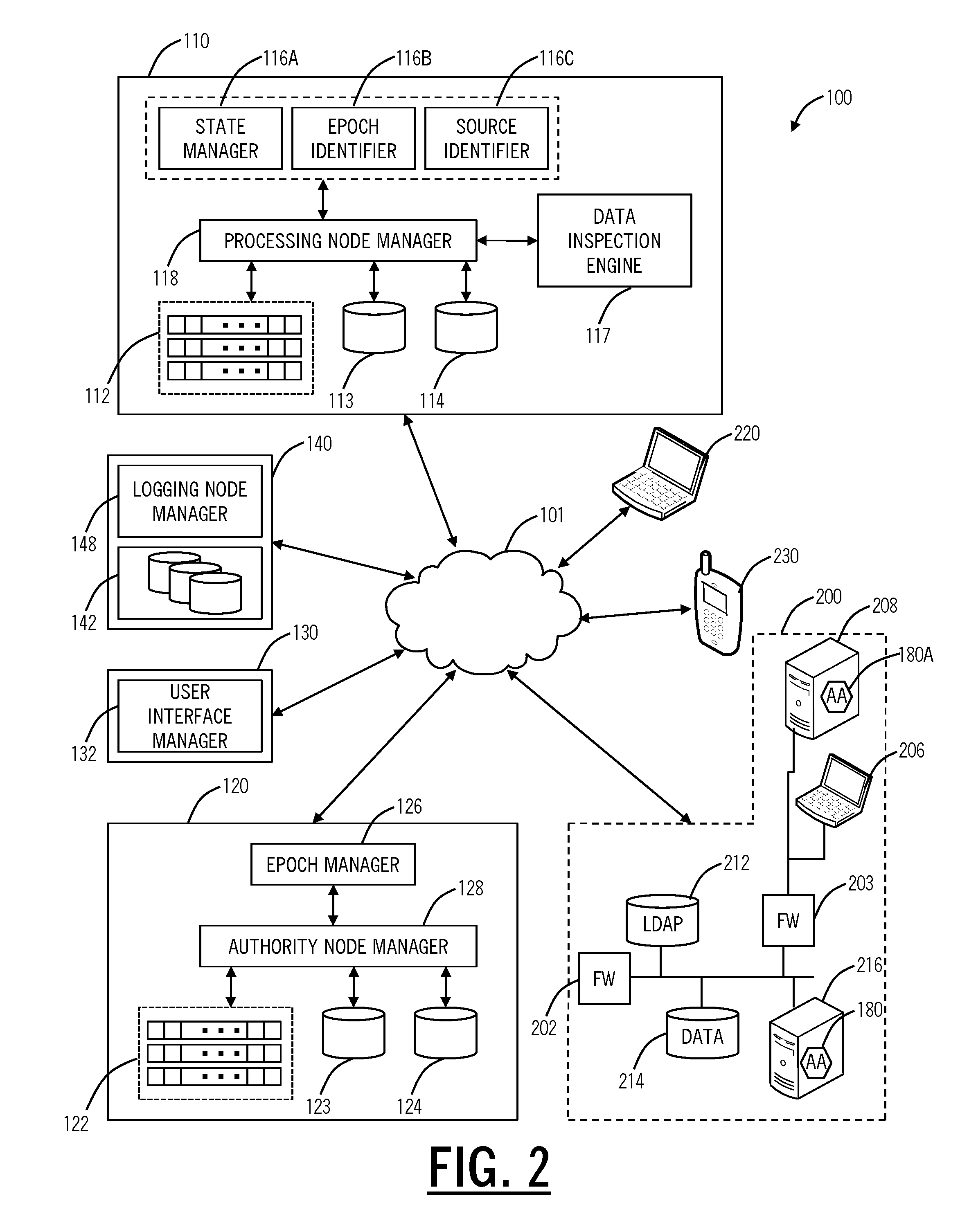
  • Figure 3
    Figure 3
Patent Text Reader

Abstract

The present disclosure provides systems and methods for detecting email spam and variants thereof. The systems and methods are configured to detect spam messages and variations thereof for different senders and with slight differences within the message body. In an exemplary embodiment, an incoming message body (m) is converted to a sequence of successive word lengths (Sm): m->Sm, a comparison is performed between the sequence, Sm, and a plurality of stored sequences (Sk) of known spam messages, and the incoming message is flagged as spam based on the comparison. Further, the plurality of stored sequences, Sk, may be continually updated based on user feedback and other spam detection techniques. The systems and methods of the present invention may be implemented through a computer, such as a mail server, through a cloud-based security system, through a user's computer via a software agent, and the like.
Need to check novelty before this filing date? Find Prior Art

Description

FIELD OF THE INVENTION

[0001] The present invention relates generally to computer security systems and methods. More particularly, the present invention relates to systems and methods for detecting email spam and variants thereof.BACKGROUND OF THE INVENTION

[0002] Electronic mail (referred to as email) has changed the way people communicate. However, email is constantly being threatened by spam email which is unsolicited, junk, etc. Spam is used for a variety of purposes including product advertising, advance fee fraud scams, phishing, virus distribution, etc. According to various studies, upwards of 85% to 90% or more of email is spam. As such, users are turning to various spam detection and isolation techniques to separate spam email from legitimate email. Conventional spam detection methods largely rely on two broad techniques: Sender Reputation and Message Analysis. Sender reputation checks the reputation of the Internet Protocol (IP) address or the like of the sender and its past h...

Examples

Embodiment Construction

[0014]In various exemplary embodiments, the present invention relates to systems and methods for detecting email spam and variants thereof. The systems and methods are configured to detect spam messages and variations thereof for different senders and with differences within the message body. In an exemplary embodiment, an incoming message body (m) is converted to a sequence of successive word lengths (Sm): m->Sm, a comparison is performed between the sequence, Sm, and a plurality of stored sequences (Sk) of known spam messages, and the incoming message is flagged as spam based on the comparison. Further, the plurality of stored sequences, Sk, may be continually updated based on users flagging or unflagging messages as spam. By converting the message into the sequence of word lengths, Sm, substitutions and minor edits (e.g. changing a Uniform Resource Locator (URL), name, HyperText Markup Language (HTML) tag, etc.) are effectively addressed. Techniques that rely on exact matches or ...