

Pseudomonas fluorescens of endophytic fungi of achnatherum inebrians and application thereof to biological control
A technology of Pseudomonas fluorescens and endophytic bacteria, applied in the field of endophytic bacteria, to achieve the effect of safe and reliable prevention and control, no pollution to the environment, and no harm to human health
Patent Information
- Authority / Receiving Office
- CN · China
- Current Assignee / Owner
- Publication Date
- 2011-08-31
- Estimated Expiration
- Not applicable · inactive patent
Smart Images
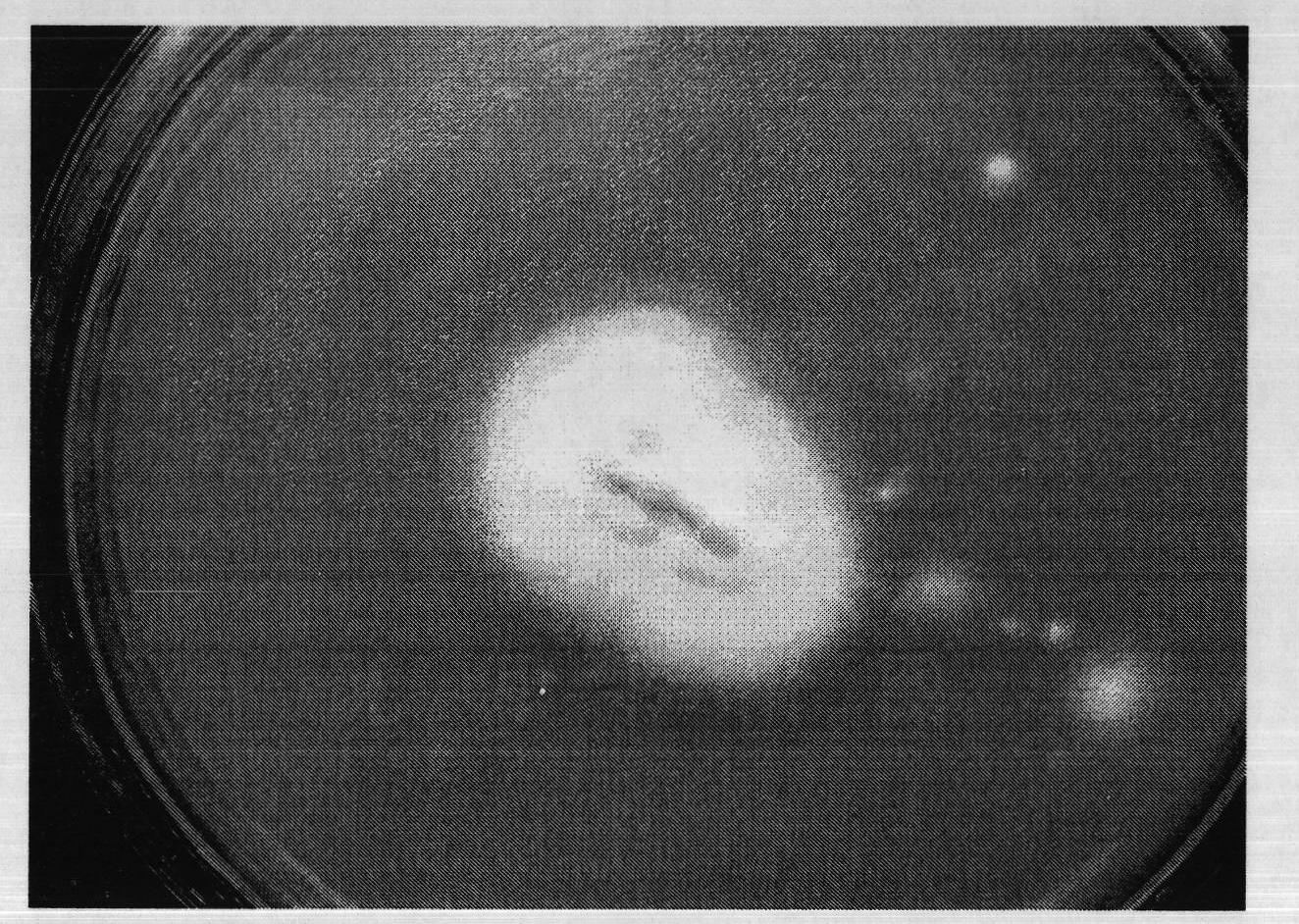
Figure 1 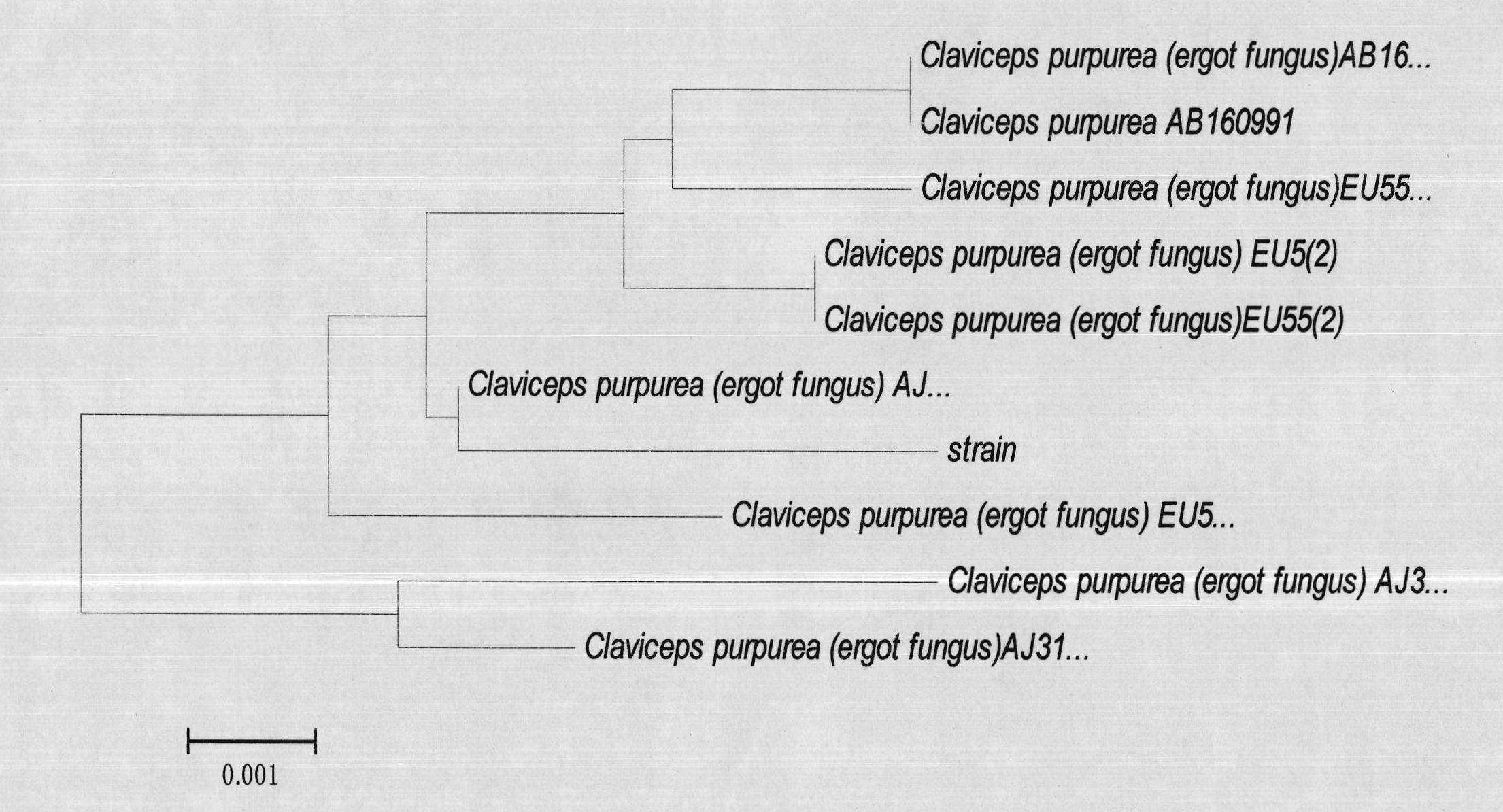
Figure 2 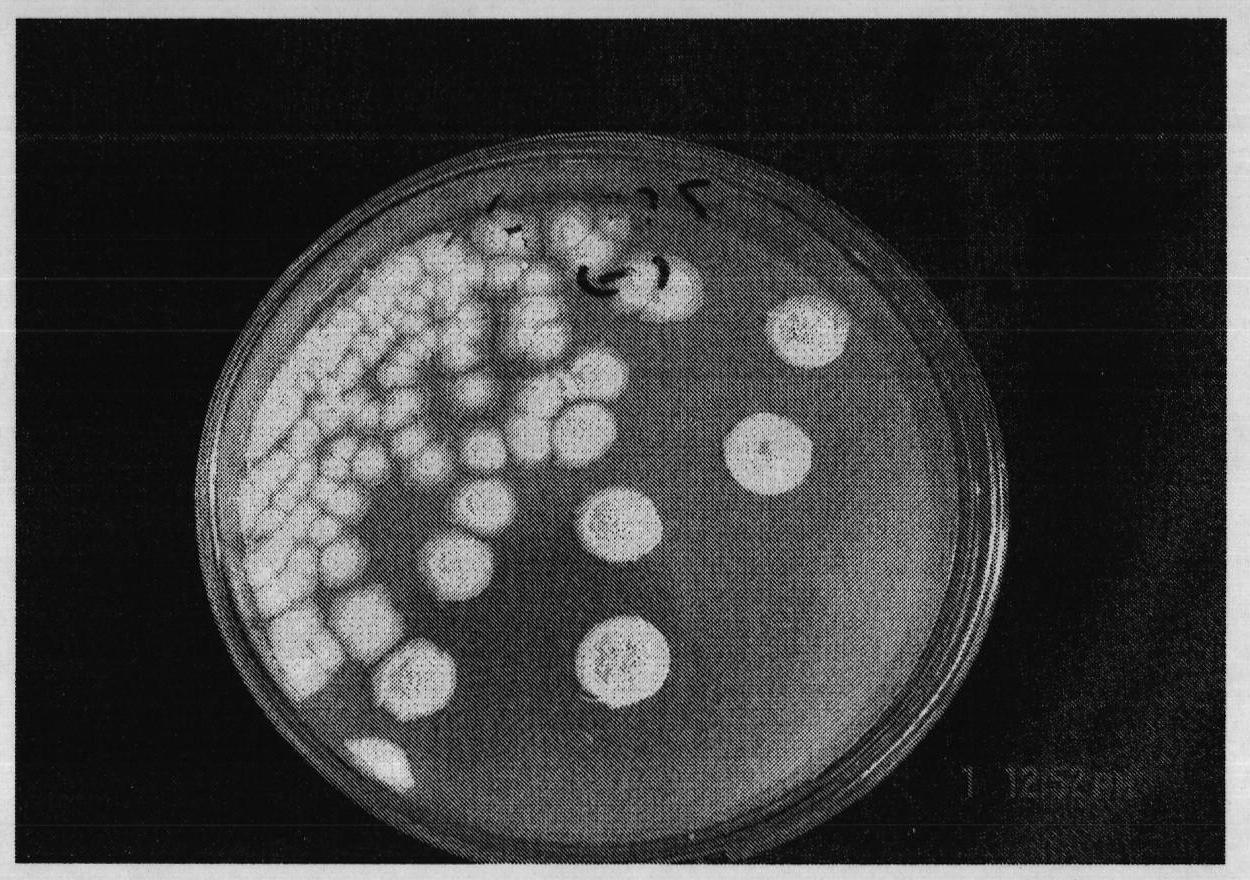
Figure 3
Abstract
Description
[0001] The application of the present invention is a divisional application of the invention and creation titled "endophytic bacteria with insecticidal active substances and its application in biocontrol" filed by the applicant on June 4, 2009. The filing date of the original application is 2009 On June 4, 2009, the application number was 200910113352.7, and the title of the invention was "endophytic bacteria with insecticidal active substances and their application in biocontrol". field of invention
[0002] The invention relates to the field of biological control, in particular, the invention relates to an endophytic bacterium with insecticidal effect on insect pests such as cotton bollworm, spider mite and locust and application thereof. Background technique
[0003] More than 100 years ago, people have discovered that there are microorganisms in the interior of healthy plant tissues, and these microorganisms were later called plant endophytes (Endophytes) in the literatur...
Examples
Embodiment 1
[0029] Example 1: Isolation, screening and identification of endophyte Claviceps purpurea CGMCC.No3073
[0030] Through the sampling of Drunken Horse Grass in Nanshan Mountain in Urumqi, the samples were divided into root, leaf and seed parts. Sampling adopts 5-point sampling method (east, south, west, north, middle) at every distance of 10 meters, and each point selects 1 strain of test grass, and each strain of grass gets root, leaf, seed (maturity stage), each 2 organ samples were taken. Put the sampled organs of this subspecies into food storage bags and bring them back to the laboratory for isolation.
[0031] Rinse the sample with sterile water first, then soak it in 75% alcohol for 30s, rinse it with sterile water, then soak it with 0.1% mercuric chloride for 1min, rinse it three times with sterile water, add sterile water to grind, absorb the grinding solution Spread on beef extract peptone medium, Gao's No. 1 medium, and PDA medium respectively. Beef extract peptone...
Embodiment 2
[0041] Example 2: Isolation, screening and identification of endophyte Pseudomona fluorescens CGMCC.No3026
[0042] Through the sampling, screening, and separation of Urumqi Nanshan Drunken Horse Grass, the specific method can be as described in Example 1. See attached image 3 , 5
[0043] The obtained GA colony was round with white hyphae. Microscopic observation shows long rod-shaped, medium-growing spores. According to the ninth edition of "Bergey's Manual of Systematic Bacterio-logy" ("Bergey's Manual of Systematic Bacterio-logy") and "Common Bacterial System Identification Manual", the shape, size, physiological and biochemical reactions of strain GA were detected. The biological characteristics of the invented GA strains are shown in Table 2.
[0044] Table 2: Physiological and biochemical characteristics of insecticidally active strain GA
[0045]
[0046] GA utilizes bacterial universal primers 27F and 1492R:
[0047] 27F: (5'AGAGTTTTTATCNTGGCTCAG3')
[004...
Embodiment 3
[0051] Embodiment three: the growth factor of ergot fungus (Claviceps purpurea) CGMCC.No 3073
[0052] The strain PF-2 was inoculated on PDA medium containing different concentrations of salt (NaCl), antibiotic (ampicillin) and pH, and cultured in a 28°C incubator for 7 days. Then the strain PF-2 was connected to the PDA medium, and placed in 4°C, 10°C, 15°C, 20°C, 25°C, 30°C, 35°C, 40°C, 45°C, 50°C, 55°C, 60°C, respectively. Cultivate in an incubator. The results are shown in Table 3.
[0053] Table 3: Effects of temperature, pH, salt, and antibiotics on the growth of strain PF-2
[0054] temperature(℃)
[0055] It can be concluded from Table 3 that the bacterial strain PF-2 can grow in the environment of temperature 20°C-45°C, pH7-8, NaCl concentration 0.5%-8%, ampicillin concentration 50μg / ml-400μg / ml, especially respectively It is most suitable for growth when the temperature is 35°C-40°C, pH7, NaCl concentration 7%-8%, ampicillin concentration 50μg / ml-100μg / m...