
Preparation method of 1,3-dihydroxyacetone
A technology of dihydroxyacetone and acetone, applied in the field of preparation of 1,3-dihydroxyacetone, achieving high efficiency and low cost
Patent Information
- Authority / Receiving Office
- CN · China
- Patent Type
- Applications(China)
- Current Assignee / Owner
- Publication Date
- 2017-09-08
Smart Images
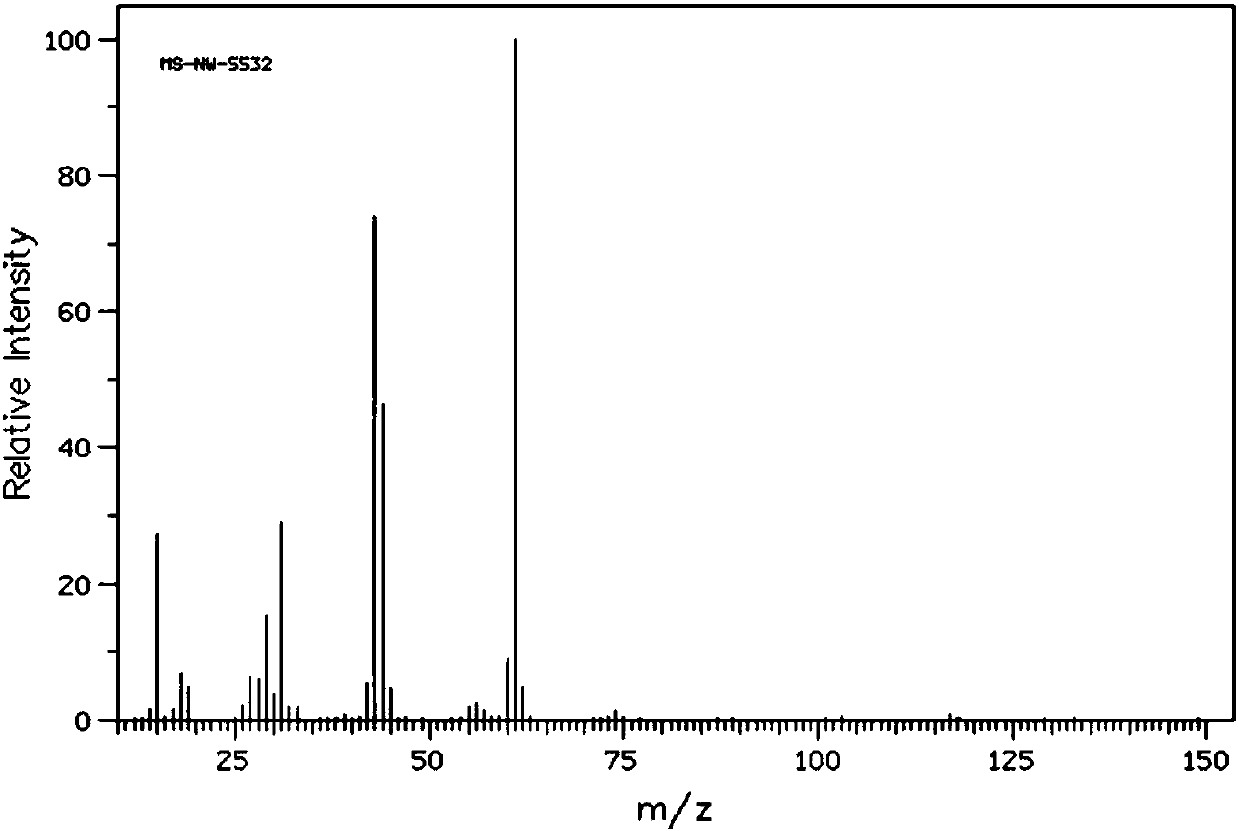
Figure 1 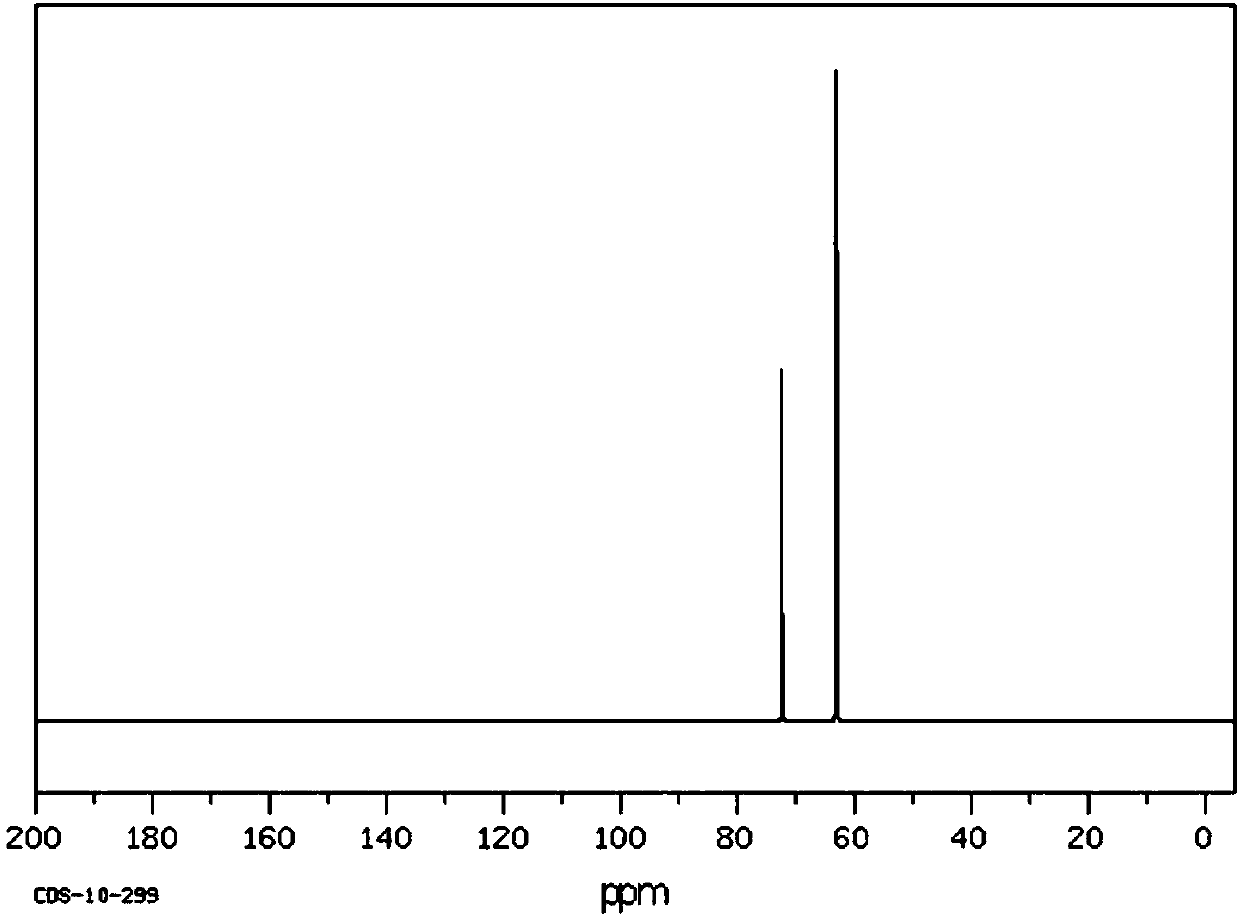
Figure 2 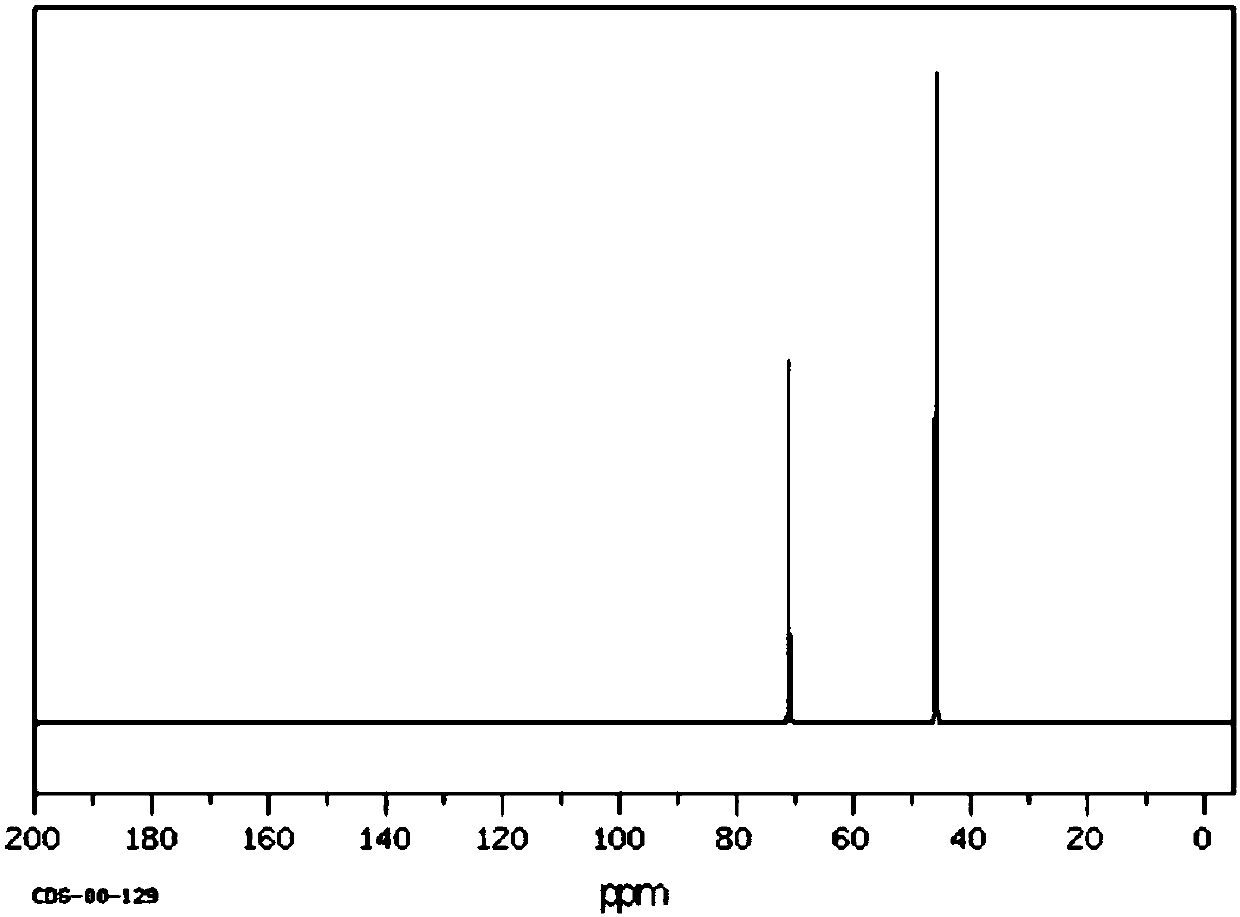
Figure 3
Abstract
Description
technical field
[0001] The invention relates to the technical field of organic synthesis, in particular to a preparation method of 1,3-dihydroxyacetone. Background technique
[0002] 1,3-Dihydroxyacetone (DHA for short) is the simplest ketose sugar, which is easily soluble in organic solvents such as water, ethanol, acetone and ether. DHA is an important chemical raw material, widely used in fine chemical industry, food, cosmetics and water purification and other industries; at the same time, DHA is also an important organic synthesis intermediate, which can be used to prepare various chiral compounds by aldol condensation and reduction preparation Optically active secondary alcohols, Diels-Alder addition to prepare sugar compounds or further reactions for such addition reactions, insertion reactions with carbene, and preparations with 2,2-dialkoxycyclopropane derivatives Lactone, etc.
[0003] At present, 1,3-dihydroxyacetone is mainly prepared by microbial fermentation a...
Examples
preparation example Construction
[0022] The invention provides a kind of preparation method of 1,3-dihydroxyacetone, comprises the following steps:
[0023] (1) Under the condition that catalyst exists, carry out contact reaction with glycerol and halogenating agent, prepare 1,3-dichloro-2-propanol;
[0024] (2) subjecting 1,3-dichloro-2-propanol to oxidative dehydrogenation reaction to obtain intermediate product 1,3-dichloro-2-acetone;
[0025] (3) Contacting 1,3-dichloro-2-acetone with an alkaline substance in an aqueous medium for hydrolysis reaction to obtain 1,3-dihydroxyacetone, wherein the temperature of the hydrolysis reaction is 25-60°C.
[0026] According to the present invention, specifically, in step (1), the contact reaction is: mixing glycerol and catalyst in an organic solvent in proportion to form a mixed system, then adding a halogenating reagent dropwise to the mixed system, and then At 50-120°C, react for 1-10 hours.
[0027] According to the present invention, the organic solvent used i...
Embodiment 1
[0047] Mix 0.2mol glycerol and 1g catalyst in 100mL acetone to form a mixed system (the catalyst is zirconia loaded with sulfuric acid, and the quality of sulfuric acid is 8% of the quality of zirconia), and then feed the mixed system at a rate of 9mL / min. 40 mL of hydrochloric acid with a mass fraction of 35% was added dropwise to the mixture, and then reacted at 80° C. for 2 hours. After the reaction was completed, a mixed product was obtained;
[0048] Filter the mixed product, collect the filter residue (the main component of the filter residue is the catalyst), extract the filtrate 3 times with 100 mL of water, take the lower layer solution, and carry out vacuum distillation on the lower layer solution to obtain 25.8 g (0.2 mol) of 1,3-dichloro-2 - propanol, its NMR 13 C spectrum such as image 3 As shown, its high-resolution mass spectrum is shown in Figure 4 as shown, 13 The peaks at the chemical shifts of 45.8 and 71 in the C NMR spectrum were assigned to the termi...
Embodiment 2
[0052] 0.2mol glycerol and 1.2g catalyst are mixed uniformly in 100mLN-methylpyrrolidone to form a mixed system (the catalyst is zirconia loaded with sulfuric acid, and the quality of sulfuric acid is 10% of the quality of zirconia), and then 6mL / min Add 26mL of hydrobromic acid with a mass fraction of 40% dropwise to the mixing system at a high speed, and then react at 60°C for 5h. After the reaction ends, a mixed product is obtained;
[0053] Filter the mixed product, collect the filter residue, extract the filtrate 3 times with 100 mL of water, take the lower layer solution, and carry out vacuum distillation on the lower layer solution to obtain 23.64 g (0.183 mol) of 1,3-dichloro-2-propanol;
[0054] Put 100ml of water in an ice-water bath, then add 0.18mol of 1,3-dichloro-2-propanol, 0.18mol of sodium bromide and 0.27mol of sodium dichloroisocyanurate into the water, mix thoroughly to obtain a mixed solution, and add Glycine-sodium hydroxide buffer was added to the soluti...