
Biological sponge based on acellular dermal matrix and preparation method thereof
A decellularized dermis and decellularized technology, applied in the field of biosponge based on acellular dermal matrix and its preparation, can solve problems affecting clinical use, increasing costs, environmental pollution, etc., to ensure biological safety, enhance machinery, and reduce genotoxic effects
Patent Information
- Authority / Receiving Office
- CN · China
- Patent Type
- Applications(China)
- Current Assignee / Owner
- Publication Date
- 2019-05-03
Smart Images
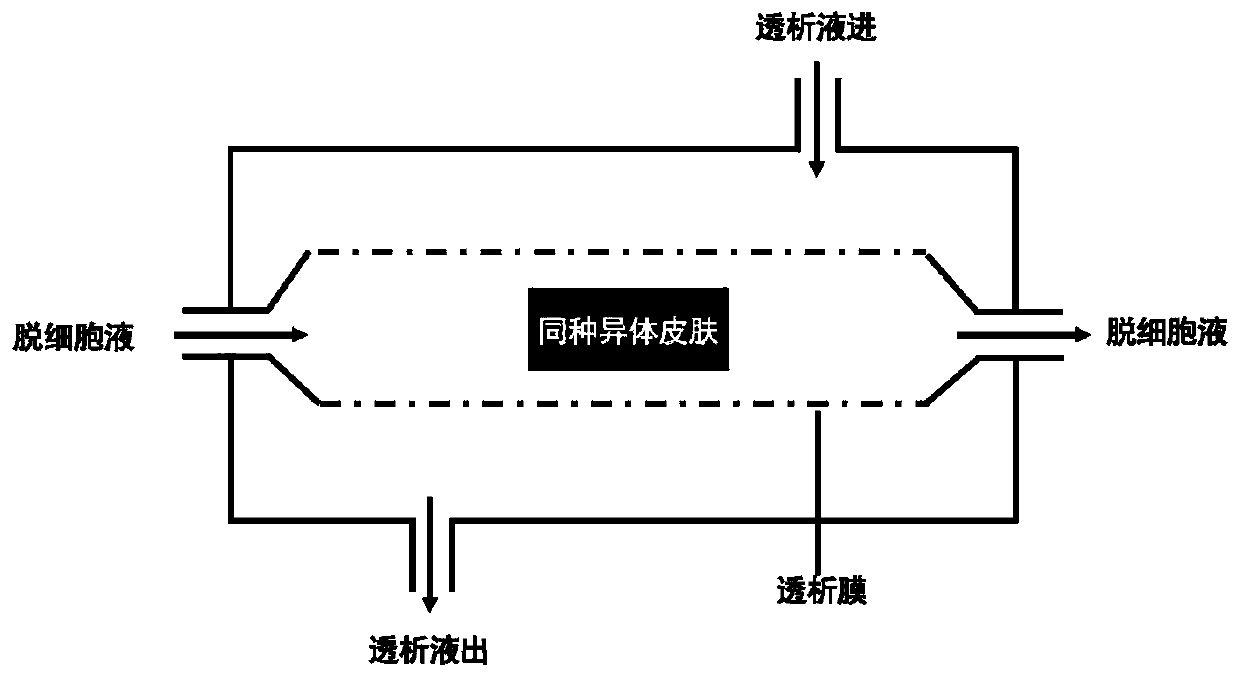
Figure 1 
Figure 2 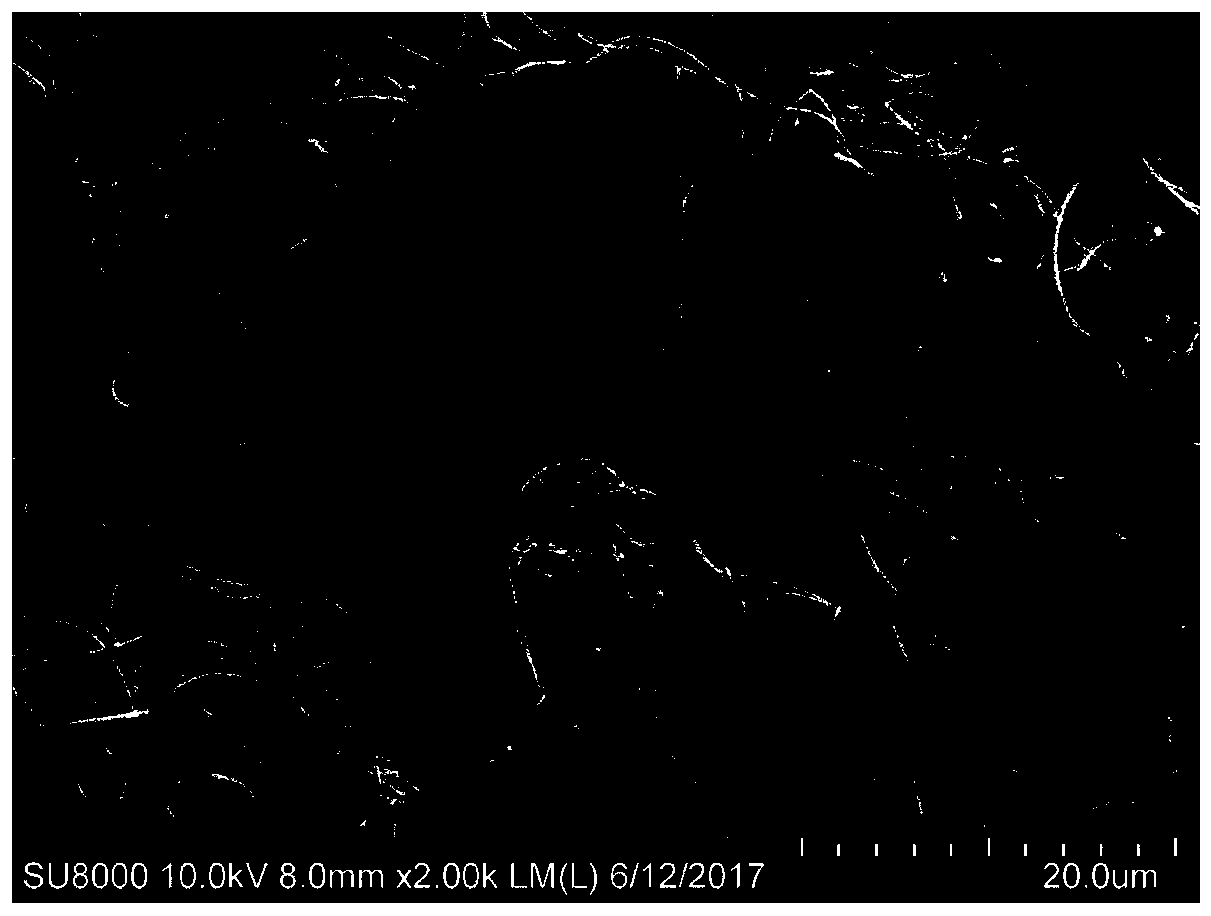
Figure 3
Abstract
Description
technical field
[0001] The invention relates to the technical field of biomaterials, in particular to a biosponge based on decellularized dermal matrix and a preparation method thereof. Background technique
[0002] Burns, wounds, diabetes, chronic ulcers, etc. often lead to skin defects. Pain, loss of physical function, and changes in appearance caused by refractory, chronic trauma, and tissue defects seriously affect the patient's freedom of movement and quality of life, and further lead to psychological and social problems. Skin transplantation is the most effective treatment for tissue defects and skin pigmentation diseases, but it is limited by sources in clinical practice, which affects the treatment process. Tissue-engineered skin is the most promising treatment method. The current tissue-engineered skin scaffold materials mainly include chemically synthesized materials such as polylactic acid (PLA), poly-left-lactic acid (PLLA), and the like. The material has stab...
Examples
Embodiment 1
[0046] A preparation method of human-derived acellular dermal matrix, the specific steps are as follows:
[0047] (1) Preparation of acellular dermal matrix:
[0048] ①Take the stored human skin and remove the subcutaneous fatty components;
[0049] ②Step ①Clean and disinfect the skin with subcutaneous fatty components with povidone iodine and alcohol, and then soak and clean the skin repeatedly with hypotonic solution;
[0050] ③ Treat the skin washed in step ② with 2.5 mg / ml Dispase II solution overnight; discard the Dispase II solution, remove the epidermis, and then wash with normal saline to obtain the dermis;
[0051] ④Use the dermis obtained in step ③ with 2mol / L Ca 2+ NaCl solution for 18h, Ca 2+ The final concentration is 5mM / L; after discarding the sodium chloride solution, wash with normal saline;
[0052] ⑤ Place the dermis cleaned in step ④ into the prepared "decellularized solution", which contains the following components: 0.1%-0.5wt% trypsin, 0.5-5mM EDTA, ...
Embodiment 2
[0056] Internal structure of acellular dermal matrix
[0057] (1) Cut the acellular dermal matrix obtained above into a size of 1 cm × 1 cm, and paste it on a metal tray; the section of the acellular dermal matrix is quenched with liquid nitrogen to make it hard and brittle, and then broken; the section faces Paste on the metal tray.
[0058] (2) After spraying gold in the sample preparation room of the electron microscope, it was put on the machine, observed and photographed by the scanning electron microscope, and the results were as follows: image 3 shown.
[0059] The results showed that there were no cell residues in the tissue, and the collagen structure was complete, similar to normal skin.
Embodiment 3
[0060] Example 3 HE staining of acellular dermal matrix
[0061] (1) Fix the normal skin tissue and the acellular dermal matrix in 4% paraformaldehyde fixative solution for 24 hours respectively;
[0062] (2) Alcohol dehydration, xylene transparency;
[0063] (3) Dip in wax for 30 minutes, embed, and make sagittal paraffin sections with a thickness of 5 μm;
[0064] (4) Gradient alcohol carries out dewaxing, dehydration, HE staining;
[0065] (5) Transparent, sealed, observed under a light microscope, the results of HE staining of normal skin tissue are as follows: Figure 4 As shown, the results of HE staining of acellular dermal matrix are as follows Figure 5 shown.
[0066] The results showed that there were no cell residues in the skin tissue.