
Preparation method of tubular g-C<3>N<4> with visible-light response function
A technology of g-c3n4 and visible light, applied in the field of preparation of tubular g-C3N4, can solve the problems of increased cost, time-consuming, cumbersome experimental process, etc., and achieve the effects of reduced energy consumption, simple process and low cost
Patent Information
- Authority / Receiving Office
- CN · China
- Patent Type
- Applications(China)
- Current Assignee / Owner
- Publication Date
- 2020-01-17
- Estimated Expiration
- Not applicable · inactive patent
Smart Images
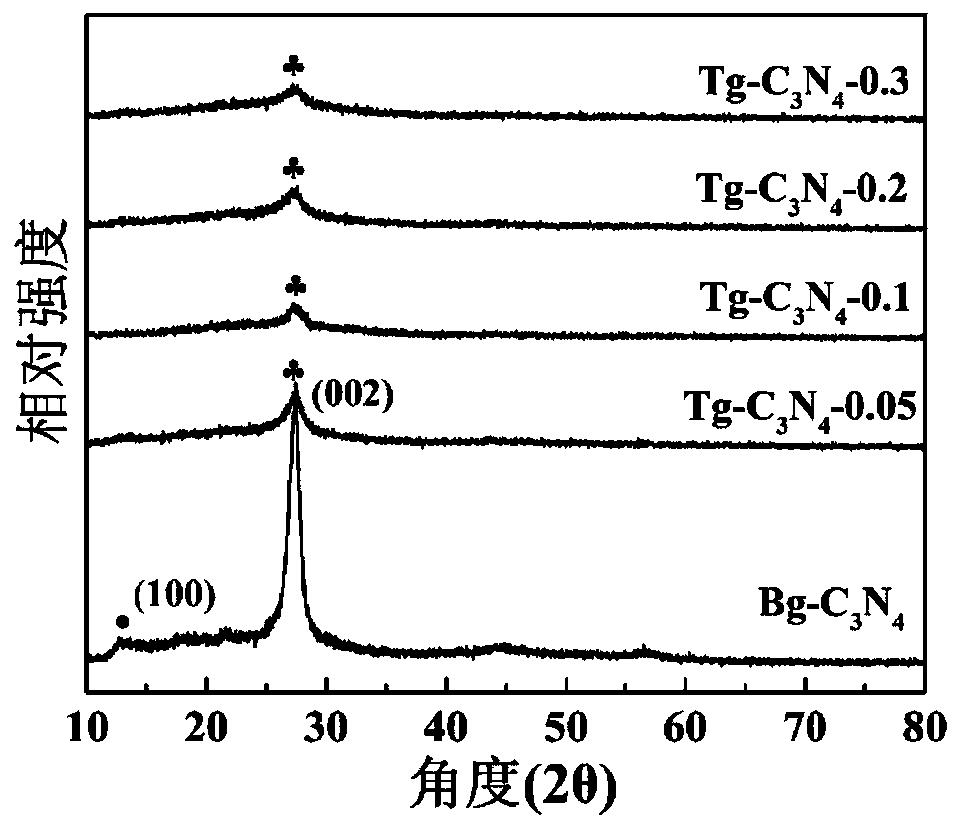
Figure 1 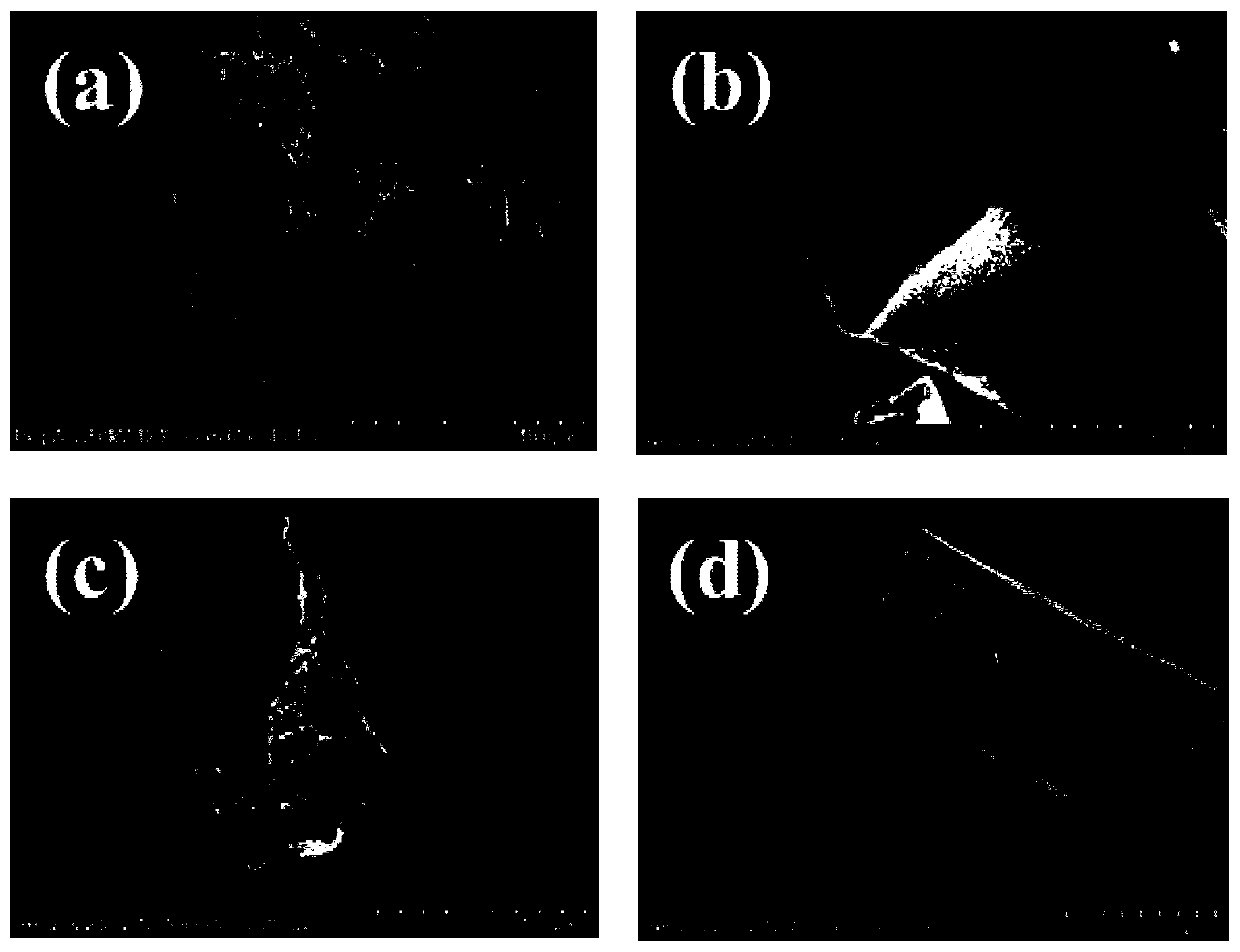
Figure 2 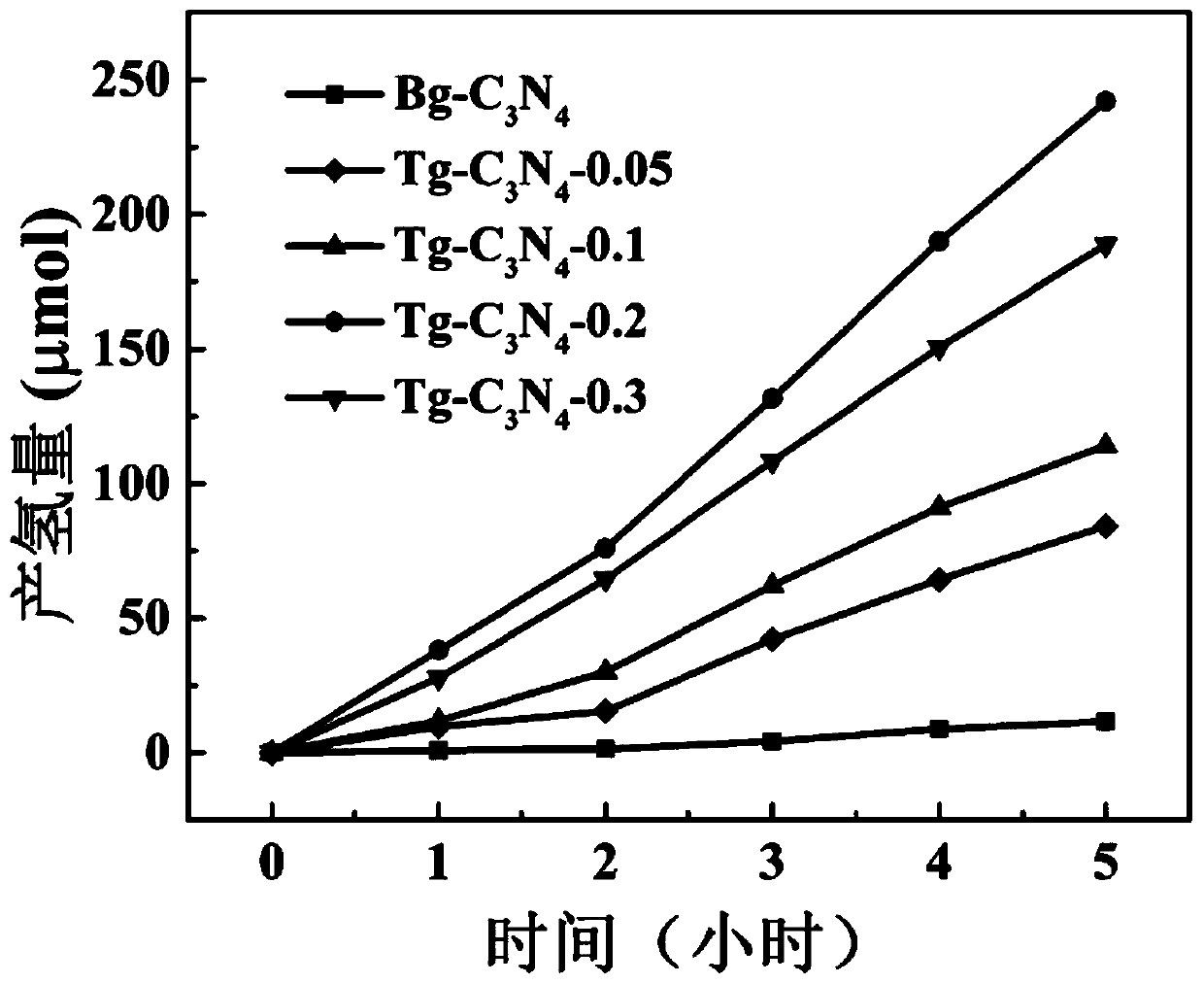
Figure 3
Abstract
Description
technical field
[0001] The invention belongs to the technical field of preparation of photocatalytic semiconductor materials, in particular to tubular g-C with visible light response 3 N 4 method of preparation. Background technique
[0002] Hydrogen energy is indeed the cleanest fuel at present. Compared with waste batteries and energy emissions such as oil and coal mines, hydrogen fuel emits carbon dioxide and water, and there is no environmental pollution problem; and the kinetic energy of hydrogen energy combustion is higher than that of gasoline combustion. three times higher. However, the stagnation of hydrogen energy application is mainly limited by its output, and there is an urgent need for new available hydrogen production methods. The current main hydrogen production methods are hydrogen production by reforming fossil resources and hydrogen production by electrolysis of water. The disadvantages are that they need to consume limited fossil resources in nature an...
Examples
preparation example Construction
[0021] Visible light-responsive tubular g-C 3 N 4 The preparation method comprises the following steps:
[0022] 1) Melamine and cyanuric acid are mixed and dissolved in ultrapure water with a mass ratio of 1:0.01-1, and magnetically stirred for 30-90 minutes to form a uniform mixed solution;
[0023] 2) Then, transfer the above solution to a stainless steel autoclave, and heat at 160-200°C for 12-24 hours to obtain the precursor of the synthetic product;
[0024] 3) washing the obtained precursor with ultrapure water three times, and drying at 50-100° C. for 8-12 hours;
[0025] 4) Then calcinate the dried precursor in nitrogen; at 2-5°C min -1 The heating rate is maintained at 550 ° C for 3-8 hours, and finally a tubular g-C 3 N 4 catalyst of light.
[0026] Alternatively, to prepare block g-C 3 N 4 Photocatalyst as a control: First, put 1-10g of melamine into an alumina crucible with a lid, and heat it in a muffle furnace at 550°C for 2-5°C min -1 The heating rate ...
Embodiment 1
[0032] 1) Preparation of block g-C 3 N 4 catalyst of light.
[0033] First, 3 g of melamine was put into an alumina crucible with a lid, and heated at 550 °C in a muffle furnace at 2.3 °C min -1 Calcined at a heating rate of 4 hours.
[0034] 2) Preparation of tubular g-C 3 N 4 catalyst of light
[0035] Dissolve 1 g of melamine and different amounts of cyanuric acid (0.05, 0.1, 0.2, 0.3) in 60 ml of deionized water, stir magnetically for 60 minutes to form a homogeneous solution; then, transfer the above mixed solution to 100 ml of Teflon stainless steel high pressure heated at 180°C for 24 hours in an autoclave; after that, the obtained intermediate sample was washed three times with ultrapure water and dried at 80°C for 12 hours. The resulting intermediate sample was calcined in nitrogen; at 2.3°C min -1 The rate was maintained at 550 °C for 4 hours.
[0036] 3) Photocatalyst visible light hydrogen production
[0037] Disperse 0.05g sample evenly in 100ml 20vol% tr...
Embodiment 2
[0039] Preparation of tubular g-C 3 N 4 catalyst of light
[0040] Dissolve 1 g of melamine and different amounts of cyanuric acid (0.05, 0.1, 0.2, 0.3) in 60 ml of deionized water, stir magnetically for 60 minutes to form a homogeneous solution; then, transfer the above mixed solution to 100 ml of Teflon stainless steel high pressure In the still, heated at 160°C for 24 hours; after that, the obtained intermediate sample was washed three times with ultrapure water, and dried at 80°C for 12 hours. The resulting intermediate sample was calcined in nitrogen; at 2.3°C min -1 The rate was maintained at 550 °C for 4 hours.