
Use of a modified umbilical cord stem cell in the preparation of anti-aging pharmaceutical composition or health care product
A technology for preparing drugs and stem cells, which can be applied in the directions of drug combination, application, antidote, etc., can solve problems such as promotion and application obstacles, achieve large market value, and improve the effect of anti-aging function.
Patent Information
- Authority / Receiving Office
- CN · China
- Patent Type
- Patents(China)
- Current Assignee / Owner
- Publication Date
- 2021-03-12
Smart Images
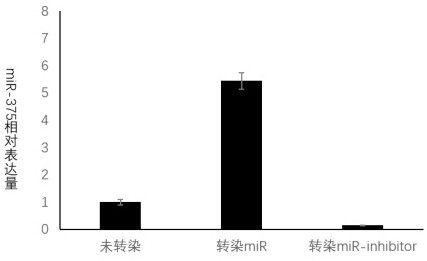
Figure 1 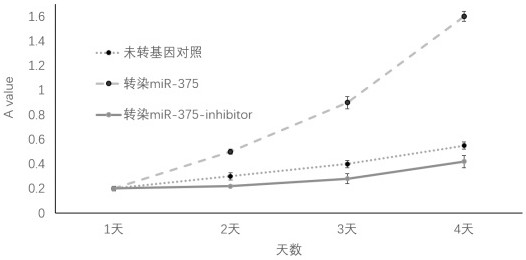
Figure 2 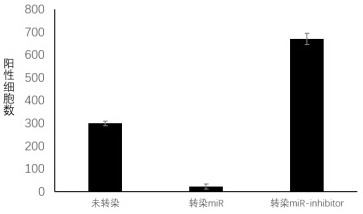
Figure 3
Abstract
Description
technical field
[0001] The invention relates to the field of medicine and health products, in particular to the use of a modified umbilical cord stem cell in the preparation of anti-aging pharmaceutical compositions or health products. Background technique
[0002] Aging is a process and phenomenon in which the body presents progressive structural degeneration and functional decline with age. Population aging has become a serious political, social, economic and health issue. It is an urgent problem to find technologies that can effectively improve the quality of life of the elderly and reverse or delay aging. Stem cells have the potential of self-renewal and multi-directional differentiation, and theoretically have the feasibility of participating in and promoting the regeneration of tissue cells, repairing damage, and reversing human aging.
[0003] Mesenchymal stem cells (MSCs) are pluripotent stem cells derived from the mesoderm and ectoderm in the early stages of develo...
Examples
Embodiment 1
[0028] Example 1 Isolation and identification of umbilical cord mesenchymal stem cells
[0029] The uncontaminated umbilical cord is about 5 cm, fully washed with PBS, the adventitia and vascular tissue of the umbilical cord are separated and removed, and cut into pieces of 1 mm 3 After small pieces were washed with PBS and centrifuged at 3000 r / min for 5 min, the supernatant was discarded to retain the precipitate; after three times of PBS washing, the 6 The cell density of / mL was inoculated in T-75 culture flasks, cultured in DMEM with a volume fraction of 10% FBS at 37°C and a saturated humidity environment of 5% carbon dioxide. After 5 days, the medium was changed in full for the first time, and non-adherent cells were discarded, and the medium was changed every 3-4 days thereafter. After observing that the cells reached 85% confluence, they were digested with 0.25% trypsin for 5 minutes, passaged at a ratio of 1:3, and continued to culture. During culture, cell surfac...
Embodiment 2
[0033] Example 2 Differential expression and functional analysis of miRNA in umbilical cord mesenchymal stem cells before and after aging in a high glucose environment
[0034] The stem cells identified above were taken and divided into 3 groups: one group of cells continued to be cultured in DMEM / NG (5.5mmol / L sugar) medium as a normal sugar control group (NG group) for 16 generations; the other group of cells was cultured In DMEM / HG (sugar-containing 25mmol / L) medium as the HG group (used to simulate the high-glucose microenvironment in diabetic patients), continuous culture for 16 generations. The third group of cells was cultured in DMEM / HG (sugar-containing 25mmol / L) medium as the control group (used to simulate the high-glucose microenvironment in diabetic patients), and cultured continuously for 2 generations. RNA was extracted from the three cells using RNA extraction kits.
[0035] The miRNA expression profiling detection uses the Megaplex Pools miRNA expression dete...
Embodiment 3
[0039] Example 3 Establishment of miR-375 transfected umbilical cord mesenchymal stem cells
[0040] Using human DNA as a template, the amplification primers are: 5'-AAGCTTGGCTGATGCTGAGAAG-3' and 5'-TCTAGACGGCCCCGGGTCTTC-3' to amplify miR-375, after recovery and purification, it is connected with pMD18-T to obtain the plasmid pMD18-T- miR-375, the target fragment was inserted into the multiple cloning site of the plasmid pEGFP-N1-MCS, and the plasmid pEGFP-N1-miR-375 was constructed. miR-375 inhibitor was purchased from Guangzhou Ruibo Biotechnology Company.
[0041] Respectively transfect pEGFP-N1-miR375 plasmid and miR-375 inhibitor to umbilical cord mesenchymal stem cell culture cells: Specifically, when the density of umbilical cord mesenchymal stem cells isolated in Example 1 was 80%, 2ugpEGFP- The N1-miR375 plasmid and 2ug miR-375 inhibitor were mixed with 10uL lipofectamine2000 in serum-free medium, left at room temperature for 20min, then slowly added to the medium, c...