
Efficient ionization reaction of compound with carboxylic acid group under catalysis of surface plasmon
A surface plasmon, compound technology, applied in the field of ionization reaction, can solve problems such as the effect is not very optimistic, and achieve the effect of efficient ionization, fast and effective ionization reaction
Patent Information
- Authority / Receiving Office
- CN · China
- Current Assignee / Owner
- Publication Date
- 2021-06-01
Smart Images
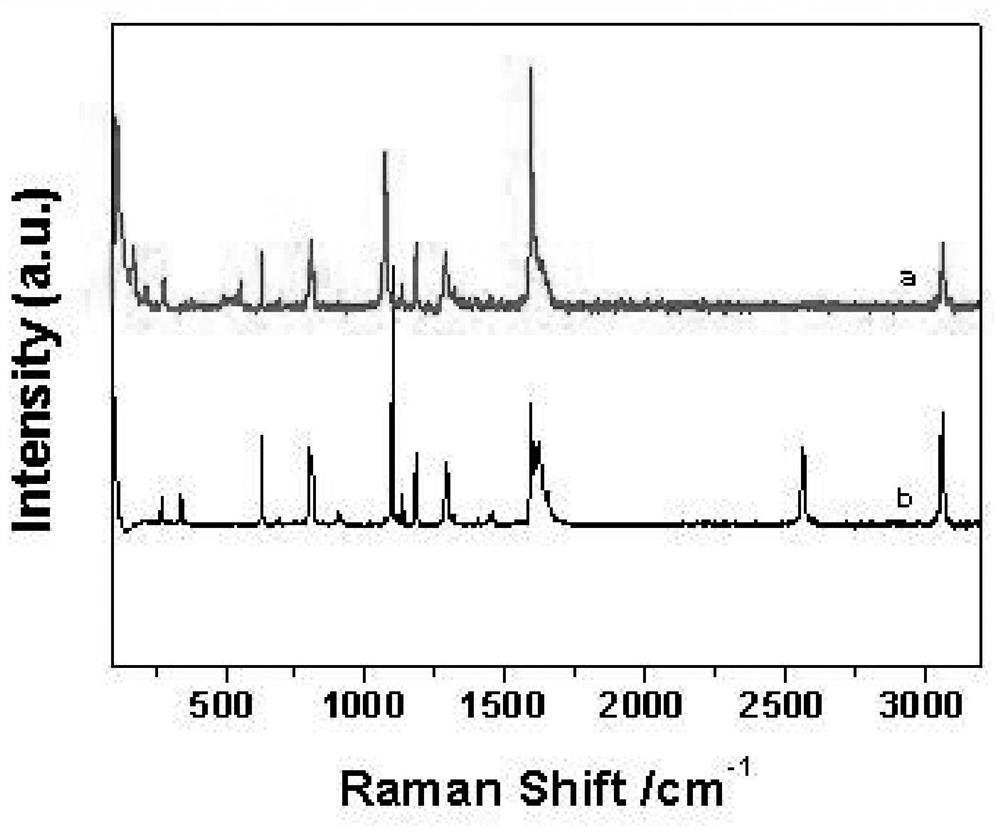
Figure 1 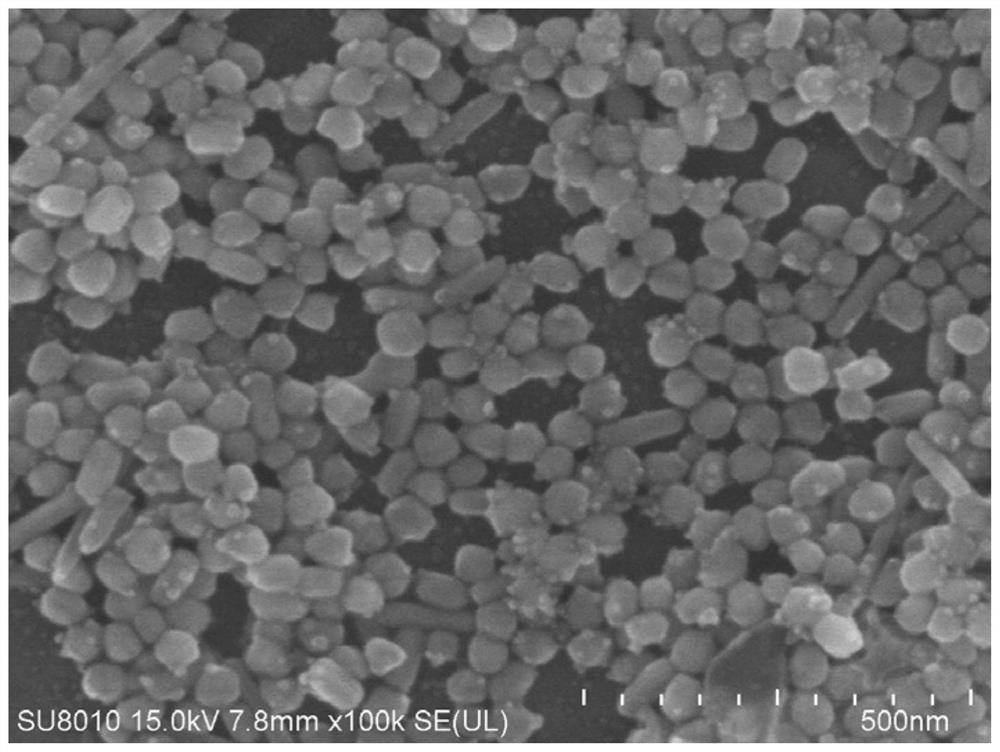
Figure 2 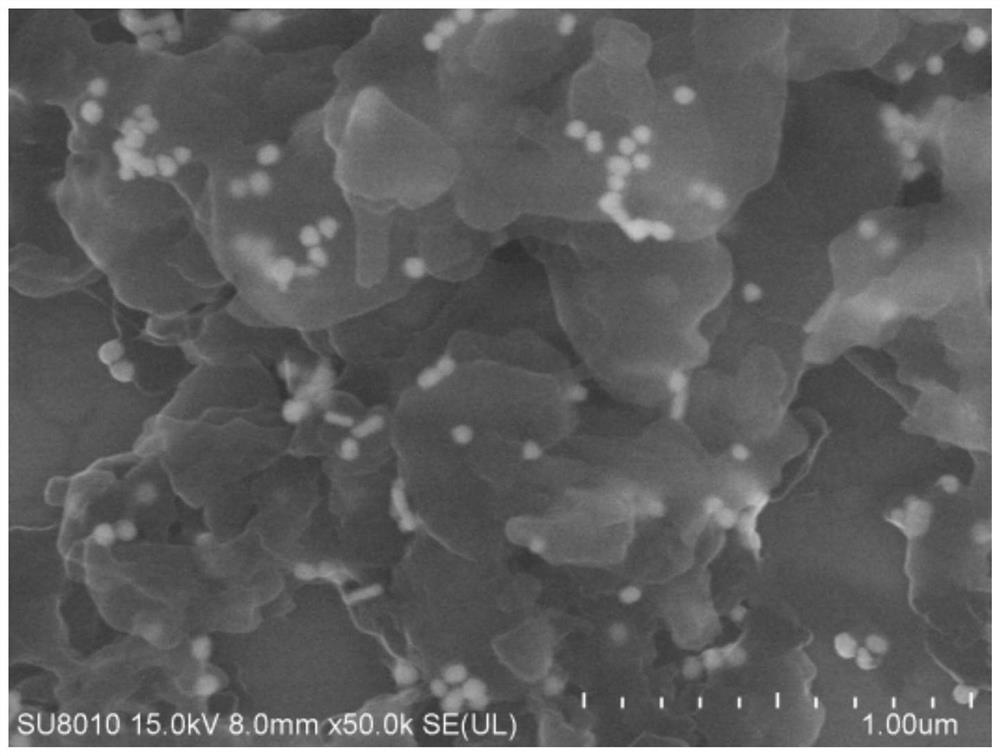
Figure 3
Abstract
Description
technical field
[0001] The invention belongs to the field of ionization reaction, and in particular relates to a high-efficiency ionization reaction of a compound with a carboxylic acid group under surface plasmon catalysis. Background technique
[0002] Surface plasmon-driven surface-catalyzed chemical reactions have attracted extensive attention in recent years. Among them, surface plasmons can collect a large amount of electromagnetic energy through localized surface plasmon resonance (LSPR), and convert it into reactive molecules to overcome the energy barrier in the reaction and make the catalytic reaction proceed smoothly. When light is incident on a nanoparticle made of a noble metal, if the frequency of the incident photon matches its vibration frequency, the nanoparticle will strongly absorb the photon energy and the LSPR phenomenon will occur. During this process, a large number of hot electrons are generated due to the decay of plasmons, and a large amount of kin...
Examples
Embodiment 1
[0034] (1) SERS substrate——Preparation of Ag NPs
[0035]Add 100ml of deionized water to 18mg of silver nitrate, stir to dissolve, heat, and when the solution boils, quickly add 2ml of sodium citrate solution with a mass fraction of 1%, and continue the reaction at 100°C for 15-18min, stop the reaction, and prepare The SERS substrate——Ag NPs was obtained.
[0036] (2) Ionization reaction of 4-MBA catalyzed by surface plasmons
[0037] 4-MBA (p-mercaptobenzoic acid) has a mercapto group and a carboxyl group attached to the para-position of the benzene ring, and its structural formula is as follows:
[0038]
[0039] Ionization reaction method: use absolute ethanol as a solvent, and prepare a concentration of 10 -3 ~10 -7 mol / L 4-MBA ethanol solution. The 4-MBA ethanol solution was mixed with the prepared Ag NPs at a volume ratio of 1:1, and then irradiated with a laser (laser intensity 1.7mW, wavelength 633nm).
[0040] (3) Ionization reaction of DTBA molecules catalyze...