
Method of fixing CO2 with cinder from refuse incineration
A technology of waste incineration ash and incineration ash, which is applied in the direction of separation methods, chemical instruments and methods, separation of dispersed particles, etc.
Patent Information
- Authority / Receiving Office
- CN · China
- Current Assignee / Owner
- Publication Date
- 2007-06-06
- Estimated Expiration
- Not applicable · inactive patent
Smart Images
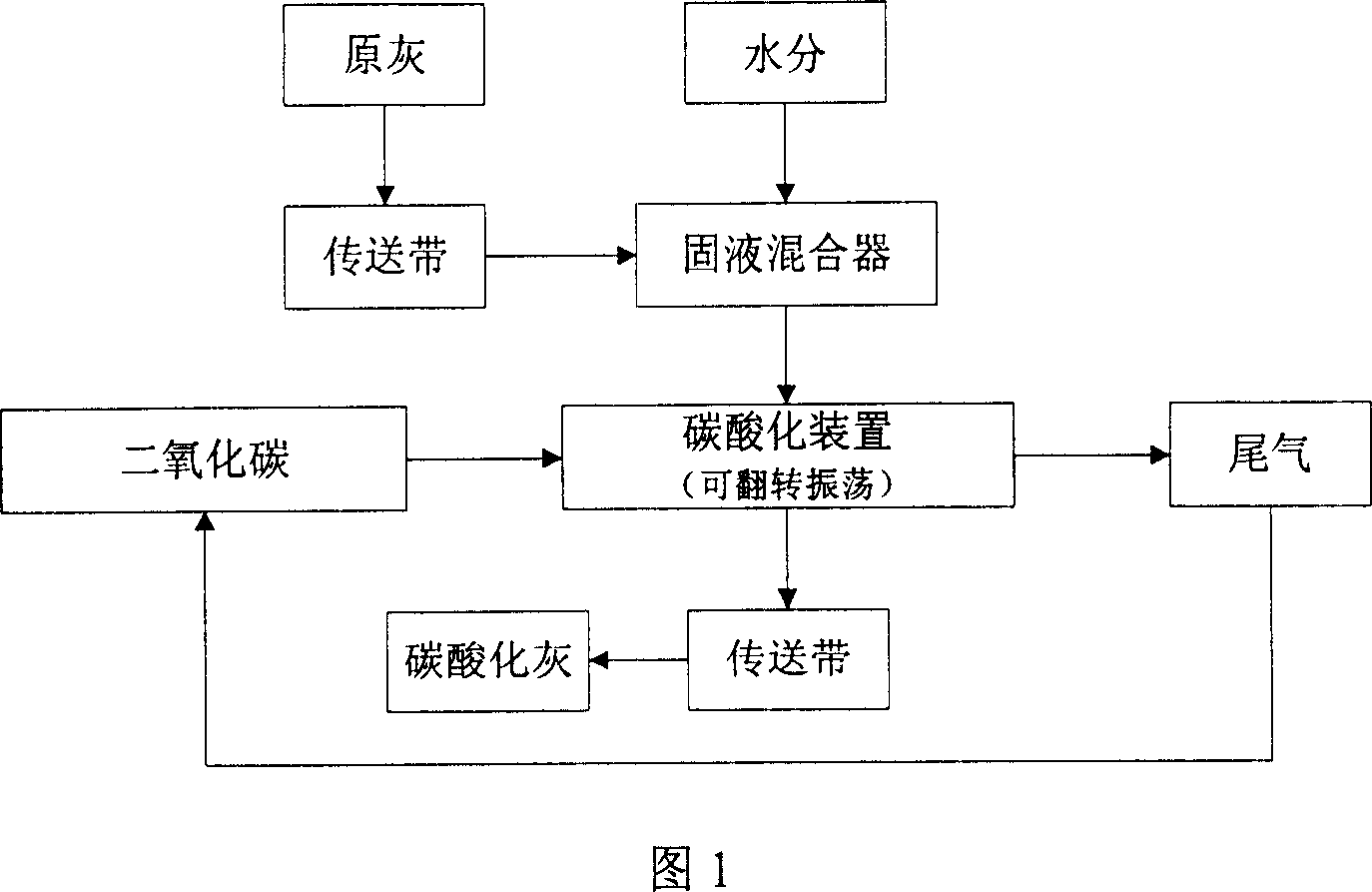
Figure 1 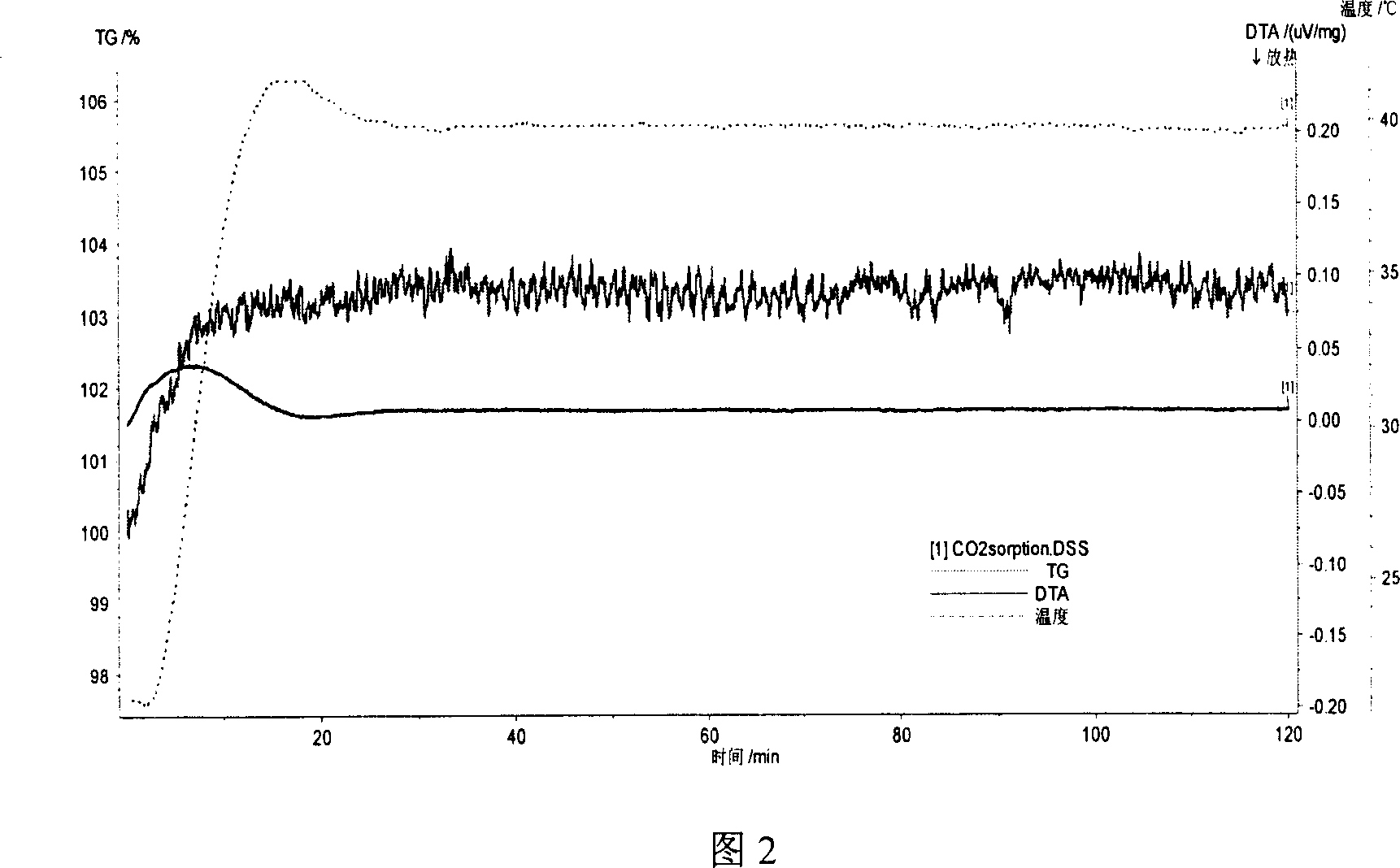
Figure 2
Abstract
Description
technical field
[0001] The invention relates to a method for absorbing CO by using incineration ash 2 characteristics, making a large amount of CO 2 The fixed method belongs to the technical field of greenhouse gas treatment. Background technique
[0002] At present, a large amount of garbage is incinerated every year in our country, producing a large amount of ash, and a large amount of toxic substances are enriched in the incineration ash, which must be disposed of in a harmless manner.
[0003] In addition, the incineration tail gas of waste incineration plants contains many harmful components, causing secondary air pollution. The main components are: incomplete combustion products, dust, acid gas, heavy metals and dioxins, which can be treated by venturi scrubbers, electrostatic vacuum cleaners, bag dust collectors, wet scrubbers, dry scrubbers and other equipment . Recently, dry or semi-dry, scrubbers or different types of gas purification devices are mostly used, w...
Examples
Embodiment 1
[0029] The fixative used is urban waste incineration fly ash collected by a semi-dry method in a waste incineration site in Shanghai, with a moisture content of 3%. Fly ash as it is in 1atm pure CO 2 Under the atmosphere, the temperature was maintained at 40°C for thermogravimetric analysis. Then, the temperature of the reacted fly ash was raised from 40° C. to 10° C., and the mass change curve and differential heat line of the reaction product were obtained for object image analysis. The experiments were carried out using a TA2000 thermogravimetric and differential thermal analyzer.
[0030] The results of TG analysis are shown in Figure 2. Dry incineration fly ash can absorb more than 3% of its own weight in CO 2 , incineration fly ash has a strong absorption of CO 2 Ability. Absorption is fast, the rate is 0.88 (L / kg·min). Incineration fly ash absorbs CO 2 stable storage of CO 2 , mainly to convert it into carbonate state substances.
Embodiment 2
[0032] The fixative used was municipal waste incineration bottom ash from a waste incineration site in Shanghai, CO 2 The partial pressure is 100%. The absorption of gas is very rapid at first, then becomes slow until saturated, and finally can absorb 1% of its own weight in CO 2 . CO absorbed by fly ash in Example 1 2 Higher than the bottom ash in Example 2. This is mainly due to the relatively high lime content in the fly ash, and some physical properties also play an important role. The fly ash particles are smaller, so the surface area is larger than the bottom ash, and the pores are more than the bottom ash, which is also a suitable factor for carbonation.
Embodiment 3
[0034] The fixative used is urban waste incineration fly ash collected by a semi-dry method in a waste incineration site in Shanghai. Place the fly ash as-is at 1atm in 50% CO 2 Under the atmosphere, the temperature was maintained at 40°C for thermogravimetric analysis. Dry incineration fly ash can absorb more than 3% of its own weight in CO 2