
Method for producing epoxide
Patent Information
- Authority / Receiving Office
- US · United States
- Current Assignee / Owner
- Publication Date
- 2014-06-26
Smart Images
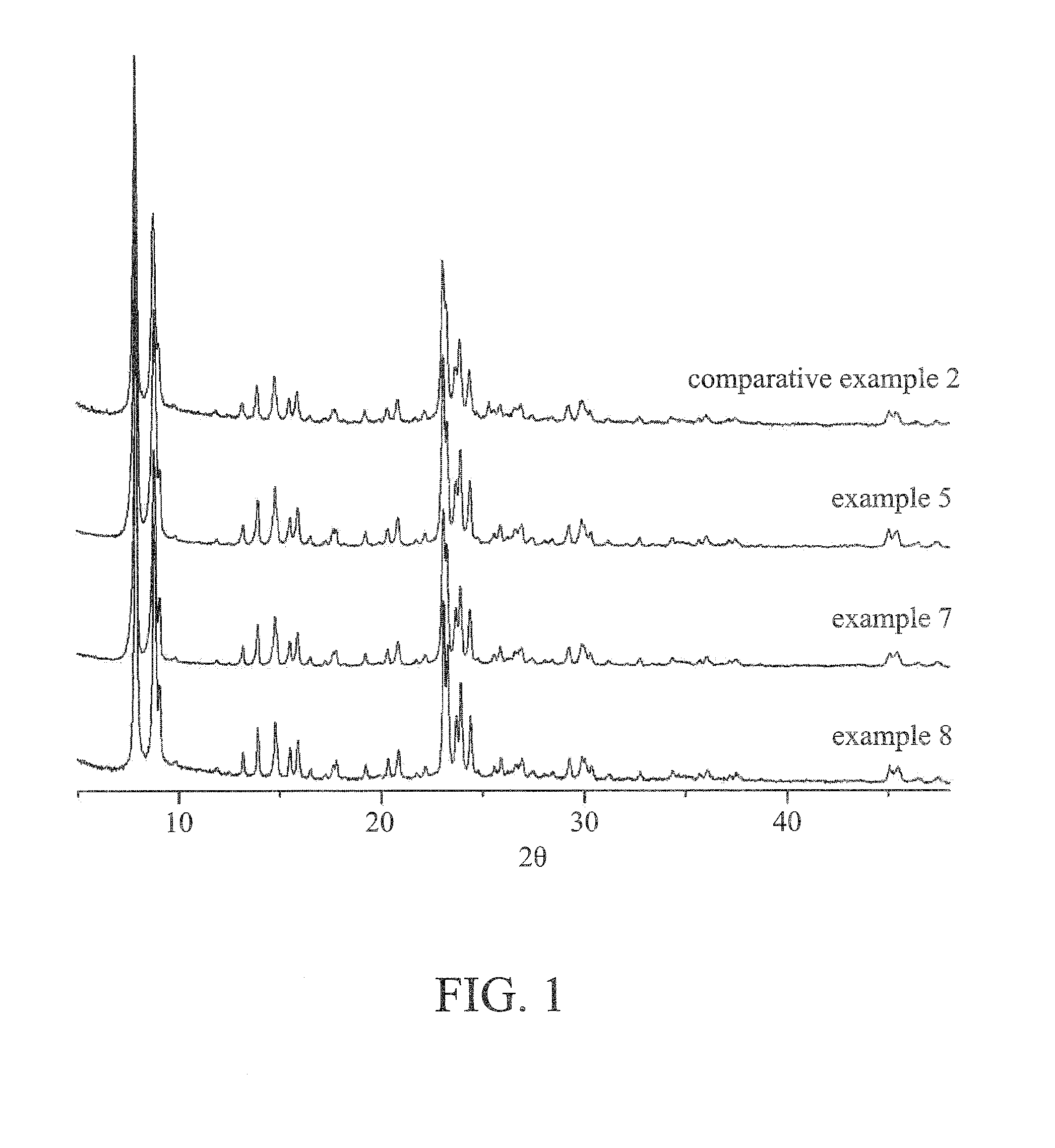
Figure 1 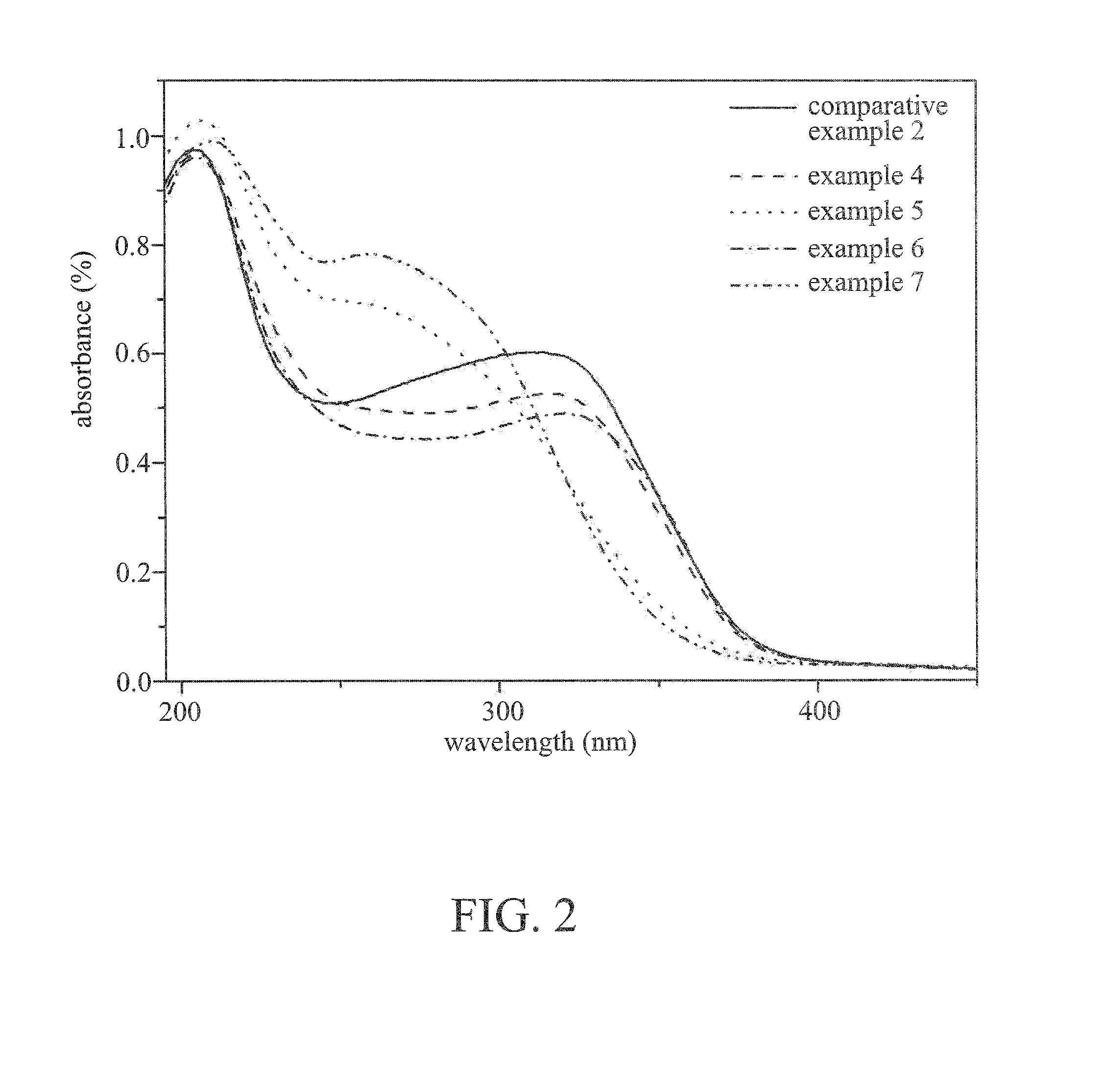
Figure 2
Abstract
Description
FIELD OF THE INVENTION
[0001] The present invention relates to methods for producing epoxides, and more particularly, to a method for producing an epoxide using a titanium-silicon molecular sieve containing calcium, strontium or barium as a catalyst.BACKGROUND OF RELATED ART
[0002] Methods for producing epoxides include a chlorohydrin method, a co-oxidation method, a direct oxidation method, and the like. In the chlorohydrin method, a large amount of chlorine-containing sewage, which is detrimental to the environment, is produced after the reaction. The co-oxidation method is complex, and generates various joint products. The direct oxidation method can be classified into an oxygen direct oxidation method and a peroxide direct oxidation method. In the oxygen direct oxidation method for producing an epoxide, pure oxygen is directly introduced as a reactant. The oxygen direct oxidation method is simple, and does not produce any intermediate products. However, the selectivity of the produ...
Examples
embodiment 1
[0036]A 500 mL round-bottomed flask was sealed with nitrogen in a vacuum system. 60 g of tetraethyl silicate and 112 g (20 wt %) of a tetra-n-propyl ammonium hydroxide isopropanol solution were added to the round-bottomed flask, and continuously stirred at 5° C. After the temperature reached the equilibrant, 3.38 g of tetra-n-butyl titanate was added to the round-bottomed flask, and continuously stirred for 1 hour. Then, 0.48 g of calcium chloride and 89.6 g of water were thoroughly mixed, gradually added to the round-bottomed flask using an isobaric feeding-tube, and stirred for 1 hour to obtain a gel mixture. Alcohol in the gel mixture was then removed at 85° C. for 1.5 hours.
[0037]At the same time, a dispersion was prepared by dispersing 21.60 g of silica sol solution (40%) in 147 g of water. The dispersion was added to the gel mixture underwent alcohol removal, and further stirred for 1 hour. The gel mixture (underwent alcohol removal and containing the dispersion) was sealed in...