
Ewod system and methods to increase dynamic range for digital nucleic acid amplification
Patent Information
- Authority / Receiving Office
- US · United States
- Current Assignee / Owner
- Publication Date
- 2019-12-26
Smart Images
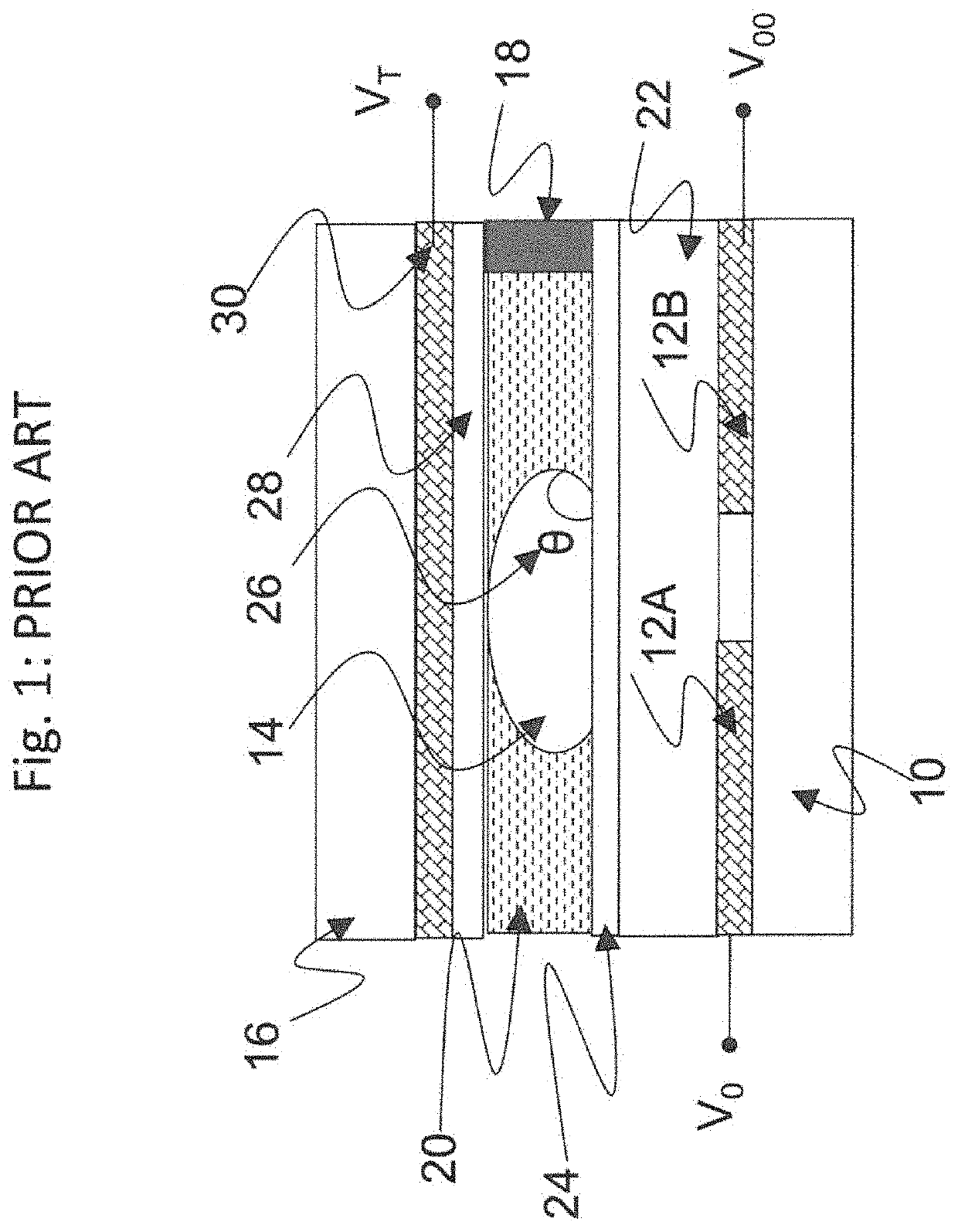
Figure 1 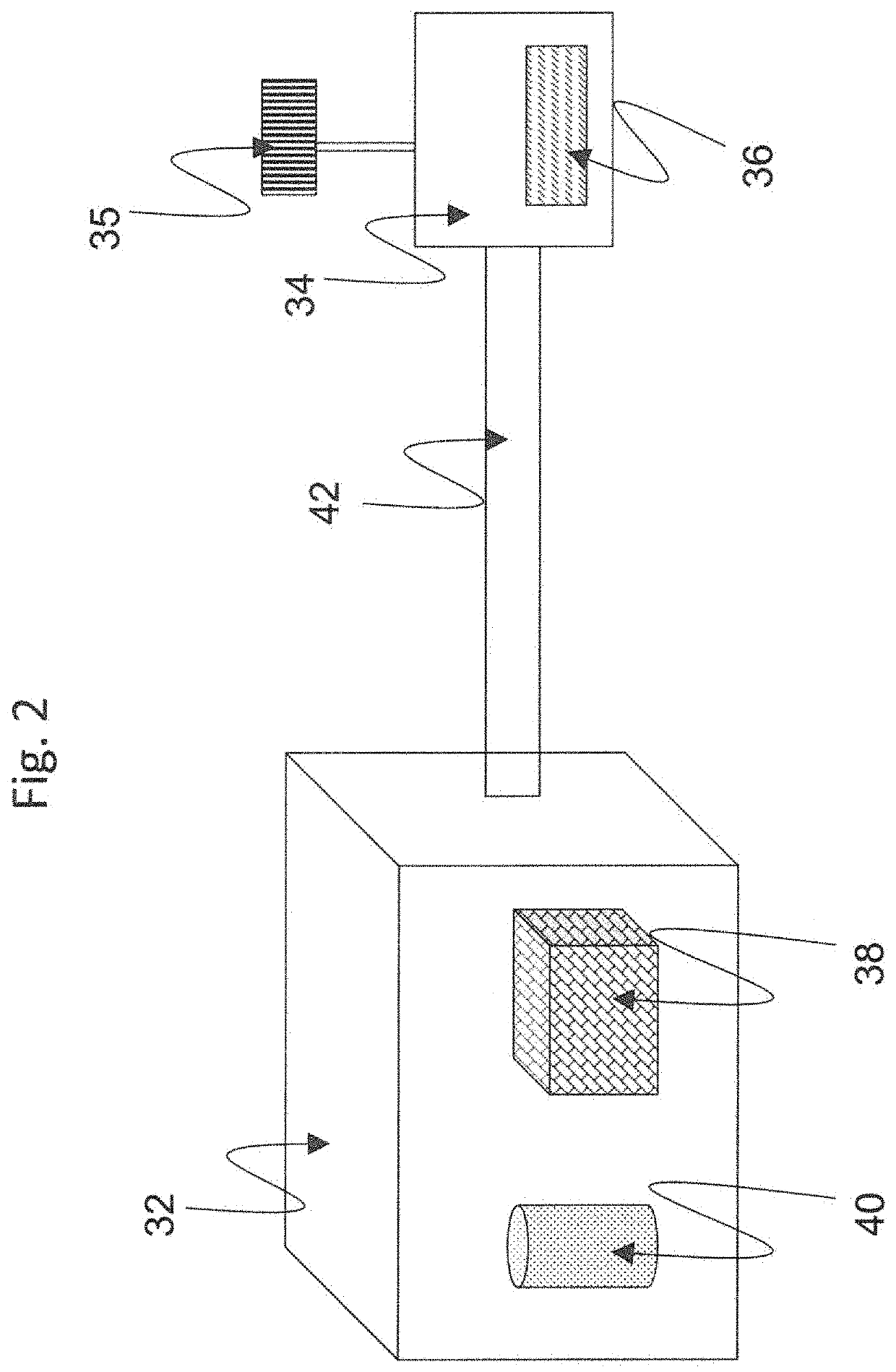
Figure 2 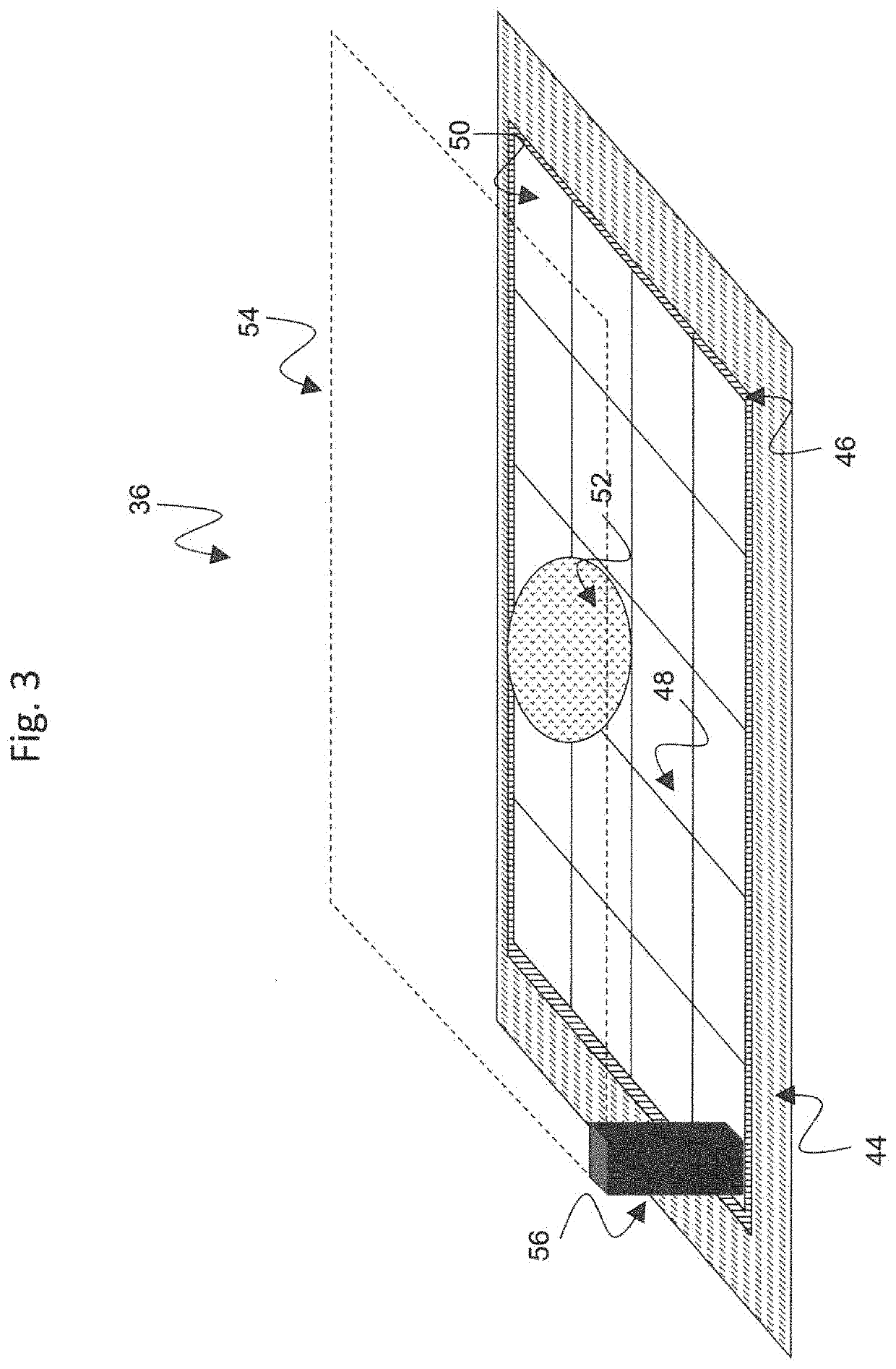
Figure 3
Abstract
Description
TECHNICAL FIELD
[0001] The present invention relates generally to Active Matrix Electro-wetting-On-Dielectric (AM-EWOD) devices and to digital assay amplification techniques, such as for example digital nucleic acid quantitation, ELISA for protein biomarker quantitation, enzymatic assays for quantitation of enzymatic turnover and cell based assays for phenotyping and genotyping. In particular, the invention relates to digital nucleic acid amplification techniques. More particularly, the invention relates to systems and methods of performing digital amplification assays, such as digital nucleic acid amplification techniques, on an AM-EWOD or EWOD device.BACKGROUND ART
[0002] Electrowetting on dielectric (EWOD) is a well-known technique for manipulating droplets of fluid by the application of an electric field. Active Matrix EWOD (AM-EWOD) refers to implementation of EWOD in an active matrix array incorporating transistors, for example by using thin film transistors (TFTs). It is thus a c...
Examples
example 1
urement on a Droplet to Determine Sample Concentration and Dilution Factor
[0184]Approximately ˜1 uL of a DNA sample of an unknown concentration is loaded onto an EWOD device. A 2×2 droplet, 0.0229 uL, is split from the sample using electrowetting and is transferred to an amplification zone. The fluorescence of the droplet is measured after each thermal cycle, and the fluorescence intensity as a function of PCR cycle number is recorded and analyzed in the system control software. When the intensity of the fluorescence signal amplifies above the threshold value, the Ct value for the sample is calculated automatically. The Ct value for the sample of unknown concentration is compared to a reference database of reactions saved on the systems' computer. The Ct value is used to estimate the concentration of the original sample using a reference standard curve for the reaction being performed.
[0185]In this example, for a given reaction, the Ct value of the unknown starting sample is measure...
example 2
nt Reactions
[0198]A first sample droplet shows a Ct1 of 21 and a 10-fold dilution of the sample has a Ct2 of 24.5. The efficiency of the reaction is:
Efficiency=10(1 / (Ct2-Ct1))=10(1 / Δn)=10(1 / 24.5-21)=10(0.2857)=1.93
[0199]The system computer has a reference Ct value for the target concentration for digital PCR quantification for the specific reaction, Cttarget=25.0. The dilution factor can then be calculated as follows:
DilutionFactor=Efficiency(Cttarget-Ct)=1.93(25-21)=1.934=13.87
[0200]Additionally and / or alternatively, if the system database has a reference equation for the reaction, the system can calculate the target dilution factor by estimating the concentration of the initial sample and knowing what the optimal copy number range is for digital PCR quantification. An example reference standard equation is:
Y=−3.5x+36
where y is the Ct value and x is the log of DNA concentration.
[0201]The system can then calculate the concentration of the initial sample; approximately 19,307 molecul...
example 3
on EWOD to Extend the Dynamic Range of Digital PCR Using a Restricted Number of Droplets
[0202]Consider an example in which 20 uL is partitioned into 873 droplets and analyzed on the EWOD platform, and the sample and diluent / PCR amplification reagents are all stored on the EWOD device. Applying Poisson statistics and assuming that you need 20% or more droplets to be negative for optimal results, then 873×0.0229 uL partitions (or 36×0.0229 uL partitions totaling 10 uL) will allow samples up to a bulk concentration of ˜70 molecules / uL to be quantified. This is equivalent to 1,400 molecules per 20 uL. The dynamic range can be calculated as follows:
No of logs=log(70)−log(1)=1.845−0=1.85
[0203]To extend the dynamic range of the platform, sample dilutions can be performed on the EWOD device. 10 uL of diluent / PCR reagent occupy 42×42 pixels. The smallest partition allowed is 2×2 pixels, or 0.0229 uL. If an area of ˜6,825 pixels (e.g. 105*65 pixels or similar) is dedicated to diluting samples...